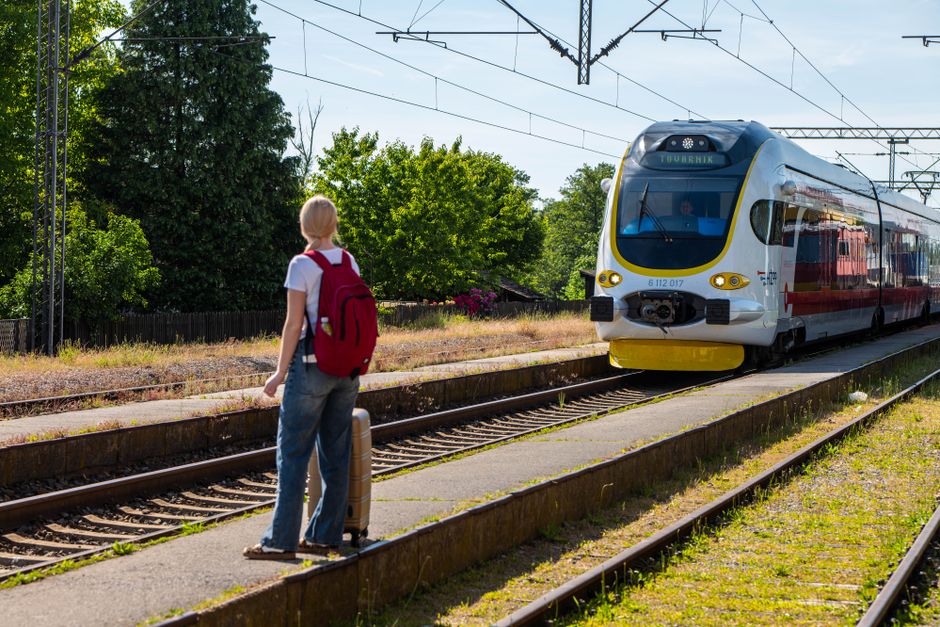
The best way to handle public transport in a foreign city is to treat the first journey as a small orientation exercise, not a race to the hotel. Learn the ticket system, identify the correct direction, save the return route and leave extra time for one wrong turn. Once those basics are clear, buses, trams and trains become the fastest way to understand how a city actually works.
What to Learn Before the First Ride
Public transport looks confusing because several systems overlap: routes, zones, ticket types, platforms, validation rules and local names. The underlying problem is simple. A traveler needs to match one destination with one correct direction and one valid ticket.
Start with the official transport map or a reliable route planner before leaving the accommodation. Search the destination by its exact name, then check the final stop rather than only the line number. Two routes can share part of a journey and then split in opposite directions.
| Question | What to check |
|---|---|
| Which line? | Route number, letter or color |
| Which direction? | Final stop shown on the platform or vehicle |
| Where to change? | Station name and walking route inside the interchange |
| Is the ticket valid? | Time limit, zones and validation rule |
Read the map as a local does
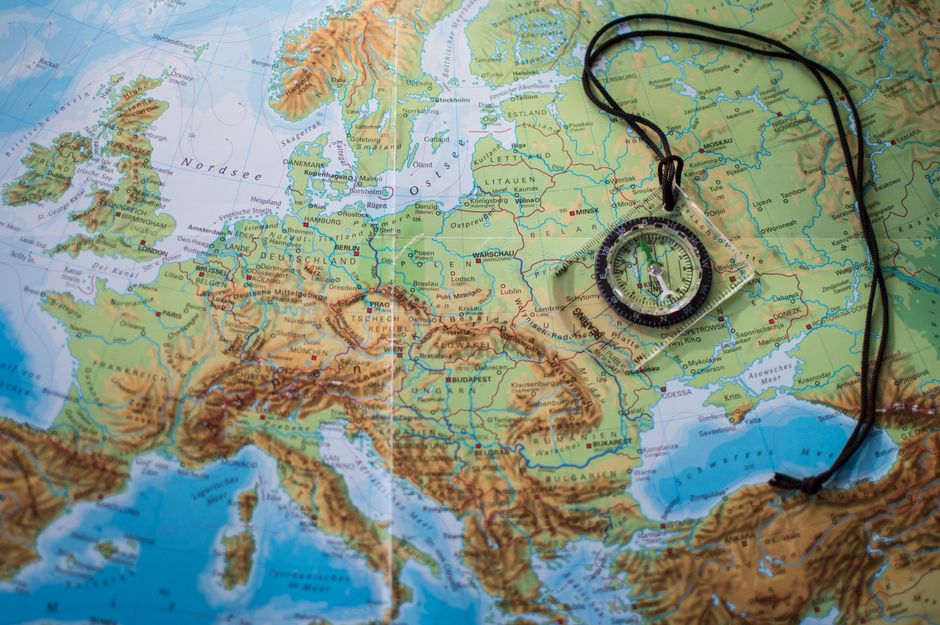
Transport maps are diagrams, not street maps. A short line on the page may represent a long walk between platforms, while two stations drawn close together may have no direct pedestrian connection. Look for interchange symbols, exit numbers and the name of the terminal stop.
Check the last part of the journey
A route that reaches the correct neighborhood may still leave a fifteen-minute walk through unfamiliar streets. Note the final stop, the nearest landmark and an alternative stop one station away. This small check prevents confusion when a route planner sends the journey through a closed entrance or a busy interchange.
The Safest Way to Reach the First Destination
The first ride should be deliberately simple. Choose one direct route when possible, even if it takes a few minutes longer than a complicated combination. A direct bus or train gives a clear reference point and reduces the chance of boarding the correct line in the wrong direction.
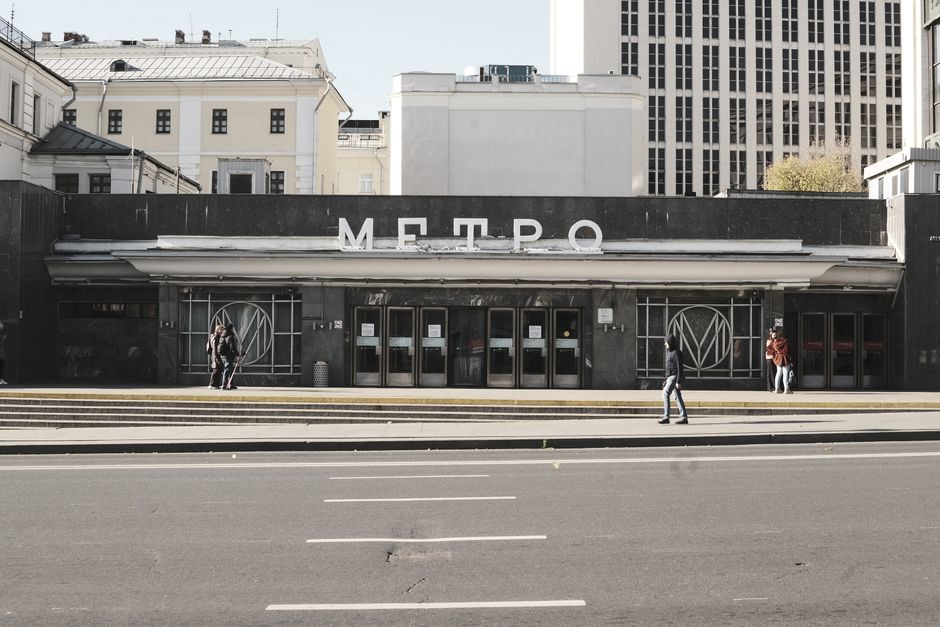
Before leaving, save the destination in the local script as well as in the language used by the travel planner. Street signs, station boards and vehicle displays may not use the same spelling as a booking confirmation.
At the station, pause before joining the crowd. Find the ticket machine, then locate the platform or boarding area. Watch one vehicle leave if the signs remain unclear.
Use the final stop to confirm direction
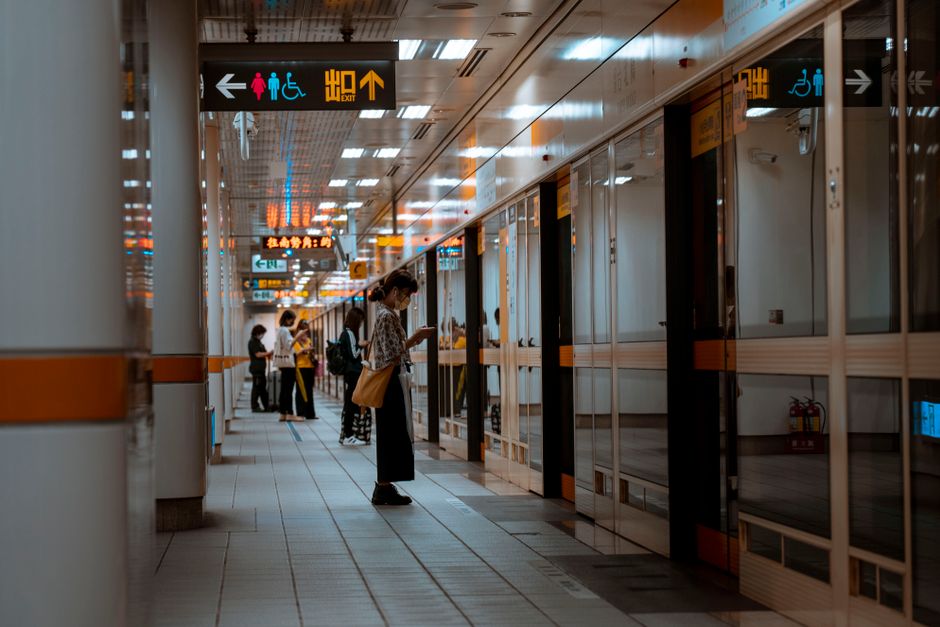
Every line has a direction, often named after its last station. Match that final station with the direction shown above the platform or on the vehicle display. Do not rely only on a color or number. Opposite platforms can look almost identical, especially underground.
Make transfers with a small buffer
Allow ten to fifteen minutes for a first transfer in a large station. The time covers walking, checking signs and finding the correct level. Stay inside the paid area when the system allows it, because leaving through the gates may require another ticket or a second validation.
Keep a recovery plan
If the train goes past the expected stop, stay calm and remain on board until a safe station appears. Get off, find the opposite platform and restart the route. If the vehicle is crowded or the station feels unsafe, move toward staff, a staffed entrance or a group of families and commuters. Confidence comes from having a simple correction available.
How to Build a Public Transport Day
A good itinerary uses public transport as a sequence of short, understandable journeys. Group nearby places together instead of crossing the entire city between every activity.
- 08:00 — Start near a major station. Use the first quiet hour to test the ticket process and identify the correct platform. A central station usually has more staff, clearer signs and several alternative routes.
- 09:00 — Visit the farthest planned sight. Travel there first while the route is still fresh. If a service is delayed, the rest of the day can be moved closer to the starting area.
- 11:30 — Walk between nearby stops. Avoid boarding another vehicle for a distance that takes less than fifteen minutes on foot. Walking reveals side streets, markets and useful landmarks that do not appear on a rail map.
- 13:00 — Choose lunch near a transport interchange. This creates flexibility. A restaurant near one station can support several afternoon options if weather or energy changes.
- 14:30 — Use one scenic or local route. A tram, ferry or surface bus can show neighborhoods that an underground line hides. Check the direction before boarding, since scenic routes often run on both sides of a central corridor.
- 17:00 — Return before the evening peak. Crowding makes signs harder to read and boarding slower. Returning early also leaves time to correct a missed stop.
- 19:00 — Save the night route. Confirm the final departure, the walking distance from the last stop and the location of the nearest alternative stop before going out.
This plan works because it limits long crossings and leaves room for error. It also avoids the common mistake of treating every attraction as an isolated destination.
Which Ticket and Route Choice Works Best?
Is a single ticket better for a short visit?
Choose single tickets when the day contains only one or two rides and the fare rules are easy to understand. This option avoids paying for unused journeys, but it demands careful attention to validation, transfer limits and time windows.
When does a day pass make sense?
A day pass works best when the itinerary includes several separate rides across the same service area. Check the exact validity period. Some passes end at midnight, while others last for a fixed number of hours after the first validation. The difference matters when a ticket is activated late in the evening.
Should the route be optimized for speed?
Not always. The fastest route may involve two transfers, a long underground walk and a platform change. For a first visit, a direct route with a clear destination sign is the better choice. Once the network feels familiar, faster combinations become easier to manage.
When is walking the better option?
Walk when the distance is short, the weather is safe and the route passes through a simple neighborhood. Do not walk late at night through an unfamiliar industrial area just to avoid one transport change. Public transport should save effort, not create a new safety problem.
Mistakes That Turn a Simple Ride Into a Bad Day
Do not board because the vehicle looks right. Check the route display, direction and final stop first. One rushed boarding decision can add an hour to a journey.
Common mistakes include forgetting to validate a paper ticket, assuming contactless payment works everywhere, standing on the wrong side of a platform, ignoring service notices and leaving a station without checking the exit. Another frequent error is planning the day around a route that runs only during weekday hours or changes after a public holiday.
- Keep a screenshot of the route and the accommodation address.
- Carry a small amount of local cash for systems that do not accept every payment method.
- Check the final departure before starting an evening trip.
- Stand clear of doors and keep bags in front in crowded vehicles.
- Use staffed stations when a ticket machine or route display is unclear.
- Do not block entrances while reading a map; step to the side first.
There are also situations where public transport is not the right choice. A very late arrival with heavy luggage, a remote lodging location or a route that requires several poorly marked transfers may justify a different plan for that single journey. The choice should be based on safety, clarity and the real walking distance, not on a promise to use transport for every trip.
The most useful habit is simple: confirm the line, direction, ticket and final stop before every unfamiliar ride.