Fewer than 1% of Fiji’s 333 islands have functioning resort infrastructure — and that scarcity is not accidental. Fiji’s government has historically restricted resort development density to protect both marine ecosystems and the exclusivity that makes the destination commercially viable. The result is an unusually segmented luxury market, ranging from accessible five-star properties around $700 per night to ultra-exclusive private islands where a single villa routinely exceeds $9,000 nightly.
Travelers who book Fiji luxury without understanding those tiers typically find themselves either overpaying for mid-tier amenities or — more commonly — unprepared for the total cost once transfers, mandatory meal plans, and activity supplements are added. This article maps out the actual landscape: which islands host which resorts, what the transfer costs look like, and where the private island model fails to deliver on what brochures suggest.
Rates and availability change frequently. This article does not constitute booking advice — verify all pricing and inclusions directly with each resort before making any reservations.
Why Fiji’s Luxury Market Operates Differently Than the Maldives
The Maldives luxury model is relatively uniform: overwater villas, coral atolls, minimal land mass, and a structure where guests rarely leave the property. Fiji is different in ways that significantly affect how a traveler should evaluate it.
First, geography. Fiji’s main island, Viti Levu, is roughly the size of Connecticut — with a functioning capital city, an international airport at Nadi, and surrounding archipelagos that vary dramatically in remoteness. The Mamanuca Islands sit 30 minutes to an hour from Nadi by speedboat. The Yasawa chain stretches 80 kilometers north. Kadavu lies to the south, anchored by the Great Astrolabe Reef. The outer Lau Group is, in practical terms, accessible only by private charter aircraft or a multi-leg seaplane journey.
Second, culture. Fiji has a living indigenous iTaukei culture that most luxury resorts incorporate meaningfully. The sevusevu ceremony — a formal kava offering acknowledging a guest’s arrival — is conducted at nearly all private island properties. Villager visits, traditional cooking demonstrations, and meke dance performances are typically available. This is substantively different from the Maldives, where cultural programming tends to be largely decorative.
Third, marine environment. Fiji sits within the Coral Triangle. Marine biologists have documented some of the highest soft coral density in the world around Kadavu’s Great Astrolabe Reef and the Bligh Water passage. For divers, this distinction carries real weight. Resorts like Kokomo Private Island and Jean-Michel Cousteau Resort built their identities specifically around dive access — not as a marketing add-on, but as the core product.
Fourth — and this is what brochures routinely obscure — Fiji luxury resorts vary enormously in actual seclusion. A property like Tokoriki Island Resort in the Mamanucas is genuinely five-star and beautiful, but it operates near other resorts, visible from the water. Laucala Island and Vatuvara, by contrast, are functionally inaccessible to non-guests. Understanding where on that spectrum a given resort sits is, in most cases, the single most important variable in whether a traveler will find the experience worth the price.
What the “Bure” Distinction Actually Means
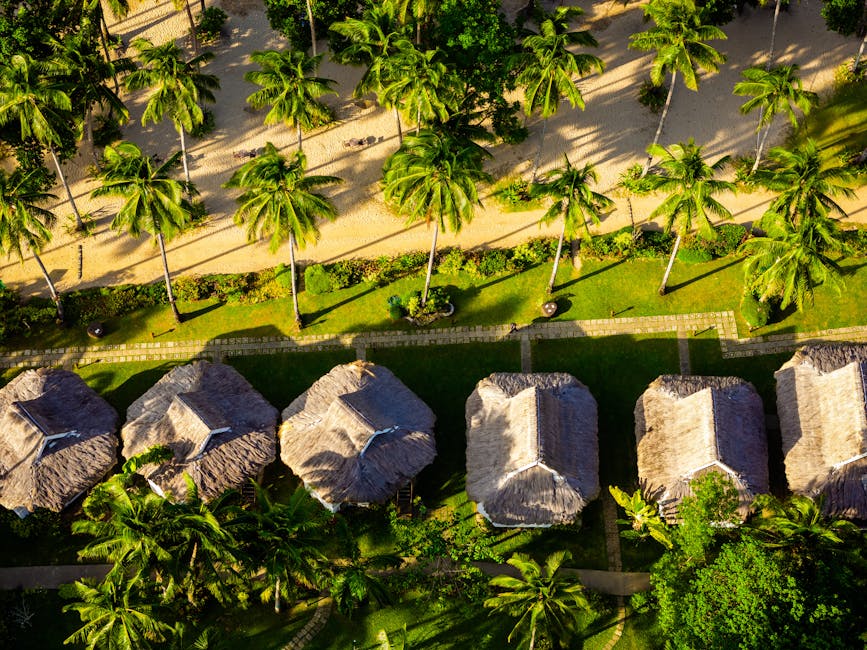
Fiji’s traditional dwelling is called a bure (pronounced boo-ray). Most luxury resorts have adopted the term for guest accommodations — both land-based and overwater structures. A garden bure at a four-star property and a beachfront bure at a six-star private island are radically different products wearing the same label. When comparing properties, look at the specific villa category, floor plan, and orientation — not the word “bure.”
The Maldives vs. Fiji Tradeoff
The Maldives generally offers more consistent water clarity and easier snorkeling from villa steps. Fiji offers more on-land activities, genuine cultural engagement, and typically more dining variety. Fiji private islands also tend to have substantially more physical land mass — Laucala Island covers 1,500 acres, compared to most Maldives resort islands that can be crossed in minutes. Neither destination is objectively superior. They solve for different vacation priorities.
The Private Island Tier: Laucala, Kokomo, Vatuvara, and Turtle Island Compared
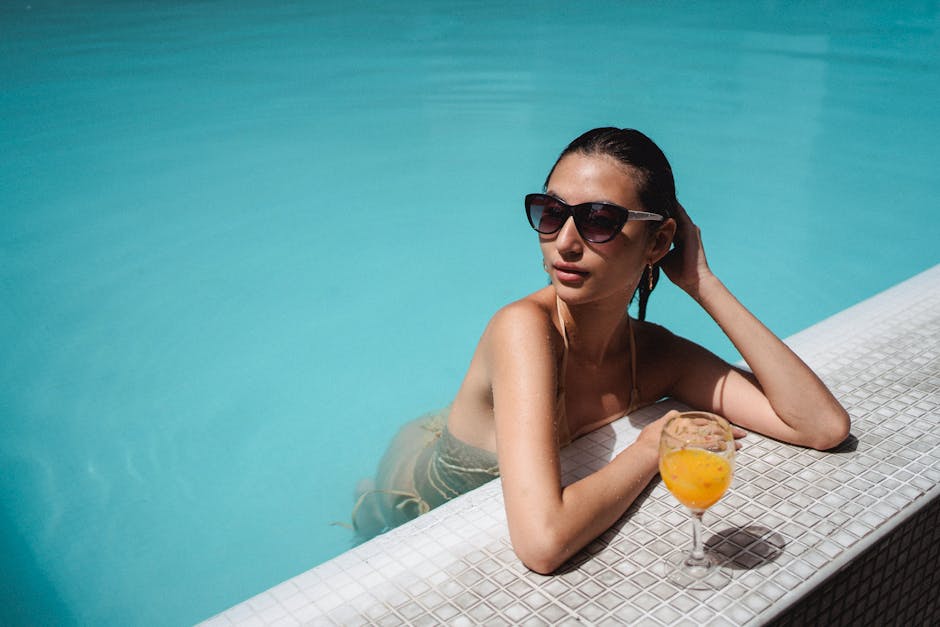
Fiji’s private island resorts occupy a distinct market segment. These are not simply remote hotels — they are properties where a guest has effectively booked semi-exclusive or exclusive access to a functioning island with its own airstrip or seaplane dock, agricultural operations, and staff-to-guest ratios that can exceed 10:1.
| Resort | Island / Region | Capacity | Entry Rate (USD/night) | Primary Access | Known For |
|---|---|---|---|---|---|
| Laucala Island Resort | Laucala, Cakaudrove | 25 villas | ~$6,000–$9,000+ | Private charter aircraft | Total seclusion, equestrian, farm-to-table dining, 18-hole golf |
| Vatuvara Private Islands | Vatuvara, Lau Group | 3 villas | ~$7,000–$10,000+ | Private jet + seaplane | Extreme exclusivity, pristine reef with near-zero outside traffic |
| Turtle Island Resort | Turtle Island, Yasawa | 14 bures | ~$3,000–$4,500 | Seaplane (~40 min from Nadi) | All-inclusive, couples-focused, Blue Lagoon film location |
| Kokomo Private Island | Yaukuve, Kadavu | 21 residences | ~$1,800–$3,000 | Seaplane (~45 min from Nadi) | Diving (Great Astrolabe Reef), family-friendly |
| Royal Davui Island Resort | Beqa Lagoon | 16 villas | ~$1,500–$2,200 | Helicopter or boat from Pacific Harbour | Shark diving, adults-only, Beqa Lagoon |
Laucala is, in most assessments, the benchmark against which other Fiji luxury properties are measured. The resort occupies an entire island with its own golf course, cattle station, and farm — and a staff count that typically exceeds 350 for a maximum of 50 guests. Vatuvara arguably surpasses it on seclusion: three villa groups maximum, positioned in the Lau Group where the surrounding reef sees virtually no outside dive traffic. Kokomo and Royal Davui represent what might be called the accessible private island tier — still genuinely exclusive, but without the private charter flight requirement that makes Laucala and Vatuvara financially inaccessible to most travelers.
Seaplane and Transfer Fees Are Not Optional
Travelers booking outer island resorts in Fiji consistently underestimate transfer costs. A round-trip seaplane from Nadi to the Yasawa Islands typically runs $700–$1,000 per person — meaning a couple booking Turtle Island Resort adds $1,400–$2,000 to their total before a single meal is ordered. This cost is almost never included in the headline nightly rate. Verify it directly with the resort before completing any booking.
Overwater Bures in Fiji: What’s Actually Available
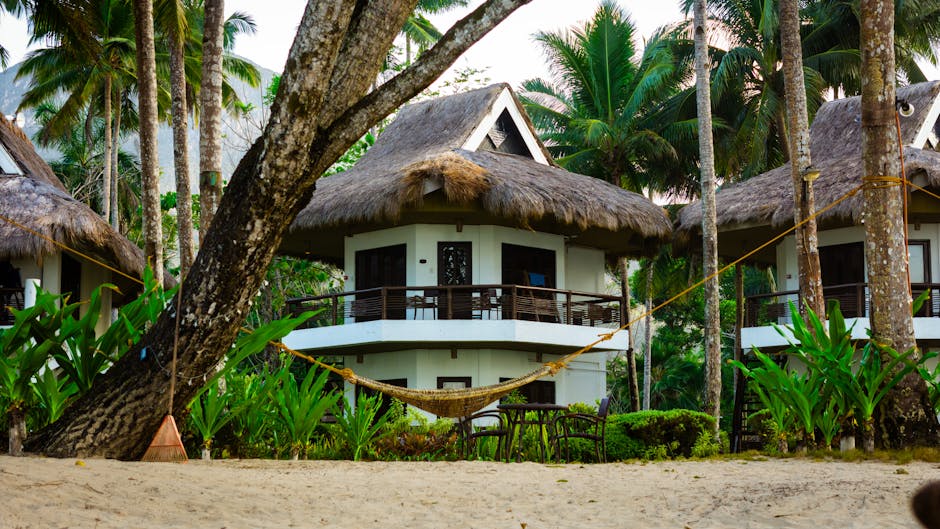
Overwater villas are the Maldives’ signature accommodation type. In Fiji, they exist but remain considerably rarer — a fact worth knowing before building an itinerary around that specific experience.
Likuliku Lagoon Resort
Likuliku Lagoon Resort on Malolo Island was the first Fijian resort to offer overwater bures, and as of 2026, it remains one of the few that does so at a genuine luxury standard. The resort operates ten overwater bures positioned over a calm lagoon, with glass-panel floors offering direct reef views below. Rates for the overwater category start around $1,200–$2,000 per night. The property is adults-only, limited to 45 bures total — which keeps it feeling intimate even at full occupancy. Access is by speedboat from Port Denarau, roughly 35 minutes.
Six Senses Fiji
Six Senses Fiji, also on Malolo Island, offers 24 pool villas with a wellness emphasis that goes beyond brochure language. Its spa practitioners have trained in Ayurvedic and traditional Fijian medicine techniques, and the property runs a documented sustainability operation: organic gardens, solar installations, and a guest-accessible reef monitoring program. Six Senses does not primarily market overwater accommodations — its focus is beachfront and hilltop pool villas. Rates typically start from $1,500 per night, rising substantially for larger family configurations. For travelers whose priority is a credible wellness program rather than overwater novelty, Six Senses is the stronger pick in this region.
Tokoriki Island Resort
Tokoriki is the best option for travelers who want Mamanuca proximity, an adults-only atmosphere, and five-star service at a price point that — by Fiji private island standards — is relatively accessible, starting around $700–$900 per night. No overwater accommodations, but beachfront bures are well-appointed, and the resort’s position on Tokoriki’s western edge delivers sunset views that are genuinely exceptional.
Five Mistakes Luxury Fiji Travelers Make Before Landing
- Booking the wrong island for their actual priorities. Divers should look at Kadavu-area resorts — Kokomo and Royal Davui — for access to the Great Astrolabe Reef and Beqa Lagoon’s shark corridors. Couples seeking maximum seclusion should focus on Yasawa or outer Lau Group properties. Families need to verify child policies: Royal Davui and Tokoriki are adults-only; Kokomo and Jean-Michel Cousteau Resort are family-oriented.
- Not accounting for mandatory meal plan supplements. Many Fiji private island resorts require full-board (three daily meals) as a non-negotiable add-on. At some properties, this adds $300–$600 per couple per day. Turtle Island Resort’s all-inclusive rate covers meals, activities, and premium beverages — which makes its headline rate more defensible than it initially appears.
- Ignoring shoulder season pricing. Fiji’s optimal weather window is broadly May through October. November through April is wet season, with higher cyclone risk. Most luxury resorts offer 20–35% reductions during the wet months. For travelers flexible on timing, this represents a substantial saving — though weather unpredictability should be factored in honestly.
- Expecting consistent internet and cellular connectivity. Outer island resorts — particularly Laucala, Vatuvara, and Turtle Island — operate with limited connectivity by design. Some properties restrict Wi-Fi to communal areas or offer it only on request. This is a deliberate product choice, not an infrastructure failure. Travelers who require reliable connectivity for work purposes should confirm terms explicitly before booking.
- Booking through third-party platforms without confirming inclusions. OTA platforms frequently list Fiji luxury resorts at rates that exclude mandatory meal supplements, resort fees, and transfer charges. Booking directly with the resort — or through a Fiji-specialist travel agent — typically results in better rate transparency and, in some cases, access to value-adds (spa credits, excursion inclusions) not available through third-party channels.
When a Private Island Resort Is the Wrong Choice
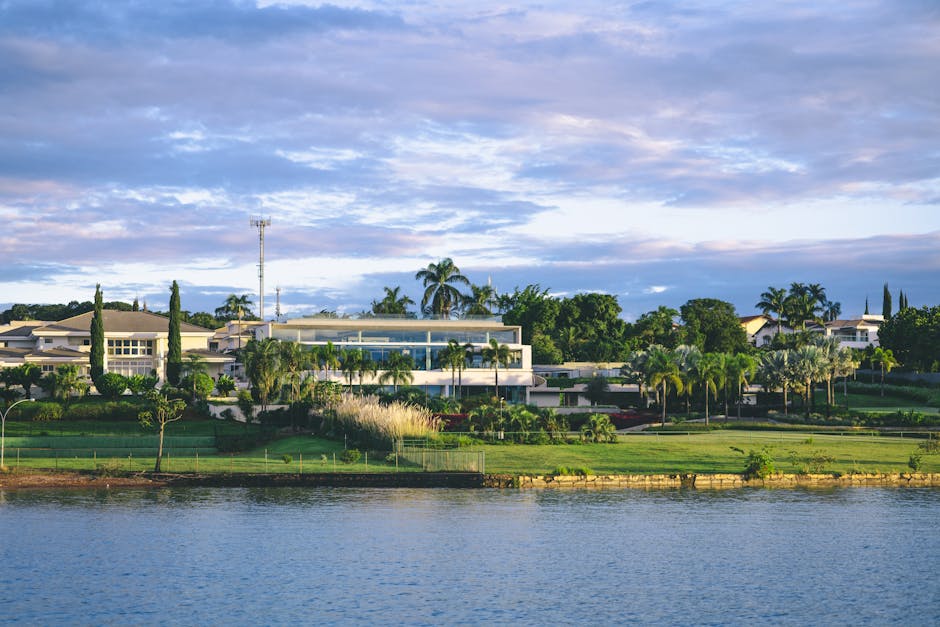
For most couples on a honeymoon or anniversary trip seeking deep seclusion, a Fiji private island resort is a defensible choice. For several specific traveler profiles, it is likely the wrong call.
Solo travelers at ultra-exclusive properties often find the experience isolating rather than restful. Resorts like Laucala and Vatuvara are designed around couples and small family groups. The social architecture of a property with 25 villas and no shared dining room that functions as a natural gathering point can feel unexpectedly solitary for a single traveler.
Travelers with strict or complex dietary requirements may find outer island kitchens limiting. A resort sourcing most of its food by seaplane or weekly supply boat has genuine ingredient constraints that a city hotel does not face. This is not a complaint about quality — the produce at Namale Resort & Spa, for instance, is largely grown on-site — but it does mean variety is limited by geography.
Travelers who want dining variety, nightlife options, or excursions beyond what the resort provides should instead consider properties on or near Viti Levu. The InterContinental Fiji Golf Resort & Spa on the Coral Coast and Sofitel Fiji Resort & Spa on Denarau Island are significantly more connected to external activity options while still offering legitimate five-star accommodations at lower total cost.
The honest position: remote private islands optimize for one thing — deep, distraction-free relaxation in a visually extraordinary setting. If that is not the primary goal of a trip, better-value alternatives exist within Fiji’s own market.
Fiji Luxury Resort Pricing at a Glance
The table below reflects typical 2026 rack rates for the entry-level villa or bure category at each property. Figures are approximate USD per night and do not include seaplane or boat transfers, mandatory meal plan supplements, or separately charged resort fees. Verify current pricing directly with each property before booking.
| Resort | Tier | Entry Rate (USD/night) | Meal Plan | Best For |
|---|---|---|---|---|
| Vatuvara Private Islands | Ultra-luxury | $7,000–$10,000+ | All-inclusive | Maximum seclusion, untouched reef diving |
| Laucala Island Resort | Ultra-luxury | $6,000–$9,000+ | Full-board | Island estate experience, golf, equestrian |
| Turtle Island Resort | Luxury private island | $3,000–$4,500 | All-inclusive | Couples, Yasawa seclusion, cultural immersion |
| Kokomo Private Island | Luxury private island | $1,800–$3,000 | Half-board available | Divers, families, Great Astrolabe Reef access |
| Namale Resort & Spa | Luxury (Vanua Levu) | $1,800–$2,500 | All-inclusive | Activity-focused couples, adventure travel |
| Six Senses Fiji | Luxury (Malolo Island) | $1,500–$2,500 | Room-only or B&B | Wellness, sustainability, spa-focused stays |
| Royal Davui Island Resort | Luxury private island | $1,500–$2,200 | Full-board | Shark diving, adults-only, Beqa Lagoon |
| Likuliku Lagoon Resort | Luxury (Malolo Island) | $1,200–$2,000 | Half-board recommended | Overwater bures, adults-only, couples |
| Jean-Michel Cousteau Resort | Premium (Vanua Levu) | $800–$1,500 | All-inclusive | Families, marine conservation diving |
| Tokoriki Island Resort | Premium (Mamanuca) | $700–$900 | B&B or half-board | Adults-only, accessible price point, sunsets |