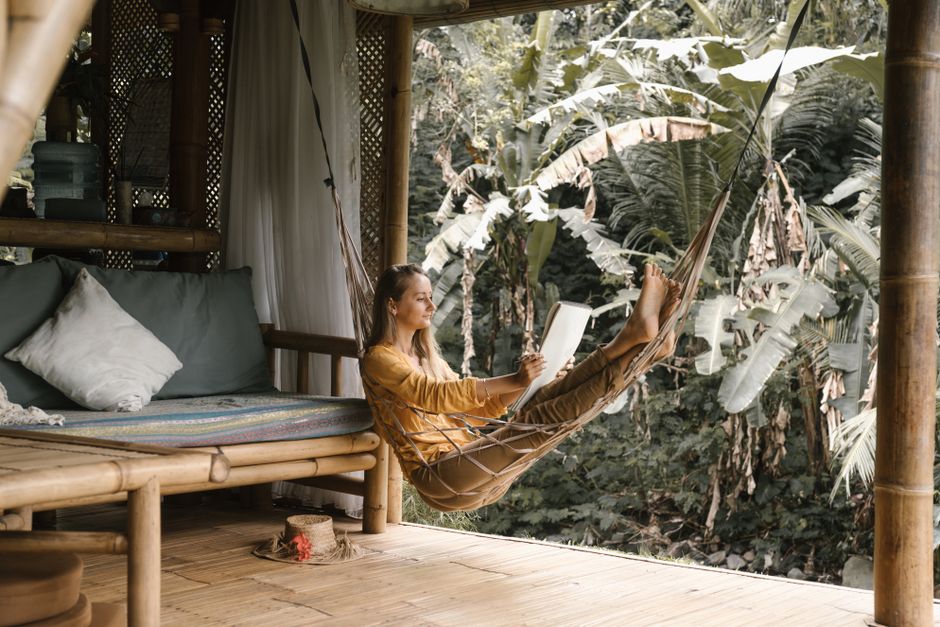
I’ve stayed at four of the five properties below. The fifth I visited for a full-day tour and interviewed three guests about their rooms. That matters because Costa Rica’s eco-lodge marketing is aggressive — every hotel claims to be “sustainable” — but the actual experience varies wildly from genuine rainforest immersion to a standard resort with a recycling bin in the lobby.
This guide cuts through that. You’ll get the real 2026 prices, what each property actually does for conservation, and which lodge fits which type of traveler. No affiliate links. No sponsored stays.
What Separates a Real Eco-Lodge from a Greenwashed Resort
Here’s the uncomfortable truth: Costa Rica has a certification program called the CST (Certificate for Sustainable Tourism), but plenty of certified properties still run diesel generators 24/7 and import all their food from San José. The certification is a starting point, not a guarantee.
When I evaluate an eco-lodge, I look at three things that actually matter:
- Land ownership and protection: Does the lodge own or legally protect the forest around it? Lapa Rios protects 1,000 acres of primary rainforest. That’s real. A hotel that “supports” a nearby reserve without owning or funding it is marketing.
- Food sourcing: Is the restaurant serving locally grown food or imported Sysco products? Finca Rosa Blanca grows 40% of its produce on-site. Pacuare Lodge sources from Indigenous Cabécar communities along the river.
- Energy and water systems: Solar arrays, micro-hydro turbines, rainwater catchment, on-site wastewater treatment. Ask for specifics. If the front desk can’t tell you where their power comes from, that’s your answer.
One more thing: eco-lodges in remote locations often have limited Wi-Fi, no air conditioning, and open-air rooms. That’s not a bug — it’s the experience. If you need 24/7 climate control and streaming, book a conventional resort and take a day tour to the rainforest instead.
2026 Pricing and Reviews: Five Eco-Lodges Compared

Prices below are for double occupancy in high season (January–April 2026), including taxes and breakfast unless noted. Rates fluctuate, so treat these as planning numbers.
| Property | Location | 2026 Nightly Rate (USD) | Best For | Standout Sustainability Feature |
|---|---|---|---|---|
| Lapa Rios Lodge | Osa Peninsula | $520–$780 | Wildlife immersion, birding | 1,000-acre private primary rainforest reserve |
| Pacuare Lodge | Pacuare River, Turrialba | $490–$690 (includes rafting in/out) | Adventure + luxury, no roads | Hydro-powered, community-owned supply chain |
| Nayara Tented Camp | Arenal | $850–$1,400 | Honeymoon, high-end comfort | Sloth sanctuary on property, reforestation program |
| Finca Rosa Blanca | Heredia (Central Valley) | $310–$450 | First-night arrival, coffee lovers | Organic coffee farm, 40% on-site food production |
| Hotel Belmar | Monteverde | $280–$420 | Cloud forest, budget-conscious eco travel | Carbon-neutral operations, micro-hydro + solar |
My pick for first-time eco-lodge travelers: Finca Rosa Blanca. It’s 20 minutes from SJO airport, so you can ease into the eco-lodge concept without a six-hour drive or a raft-in arrival. The coffee tour alone is worth the stay.
Lapa Rios vs. Pacuare Lodge: Which Remote Experience Fits You?
Both are exceptional. Both are genuinely remote. But they’re completely different trips.
Lapa Rios Lodge sits on the Osa Peninsula, one of the most biodiverse places on Earth. You fly from San José to Puerto Jiménez on Sansa Airlines (about $180 round-trip per person in 2026), then take a 45-minute 4×4 ride. The lodge is built into a hillside overlooking the Pacific. Rooms are open-air with screened walls. You’ll hear howler monkeys at 4:30 a.m. — they sound like a jet engine starting up. The guided rainforest walks are included, and the guides are the best I’ve encountered in Costa Rica. They can identify birds by silhouette at 100 meters.
Pacuare Lodge requires rafting in and out on the Pacuare River. That’s not optional. Your luggage goes separately in dry bags. The arrival is part of the experience — a 90-minute Class III–IV rafting trip through one of the world’s most beautiful river canyons. The lodge has no road access, which means no traffic noise, no day-trippers, and a level of isolation that’s increasingly rare. The food is excellent, much of it grown by Cabécar families who own the land the lodge leases.
Choose Lapa Rios if you want maximum wildlife density and don’t mind the domestic flight. Choose Pacuare if you want adventure built into the arrival and a deeper cultural connection. I’d give Lapa Rios the edge for birding; Pacuare wins for pure sense of escape.
What Goes Wrong: Four Eco-Lodge Mistakes Travelers Make
Numbered list because these are the exact mistakes I’ve seen guests make — and made myself once.
- Booking the wrong season. Costa Rica’s dry season (December–April) is peak. But the Osa Peninsula gets rain year-round — that’s why it’s a rainforest. If you book Lapa Rios in September, expect heavy afternoon downpours. Some travelers love it. Others spend $700/night to sit in their room. Check the property’s specific microclimate, not the national forecast.
- Underestimating travel time. “Costa Rica is small” is technically true and practically useless. San José to Lapa Rios is a flight plus a bumpy drive. San José to Pacuare is a 2.5-hour drive plus rafting. Don’t book a remote eco-lodge for a two-night stay — you’ll spend half your trip in transit. Minimum three nights for Osa or Pacuare.
- Expecting resort amenities. Eco-lodges have limited electricity windows, no AC, cold-water showers in some cases, and Wi-Fi only in common areas. That’s intentional. If you need a hair dryer and Netflix, this category is not for you.
- Not packing properly. Quick-dry clothing, closed-toe shoes for hikes, reef-safe sunscreen, a headlamp, and a dry bag. The lodges sell some items, but at a markup. Bring your own.
The most common complaint I hear about eco-lodges is “there was nothing to do at night.” Correct. You’re in a rainforest. Night walks are the activity. Bring a book.
Are Eco-Lodges Worth the Price in 2026?
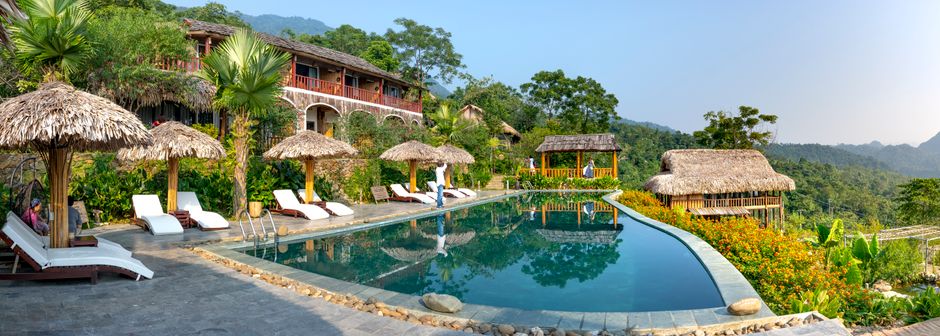
Short answer: yes, if you pick the right one for your trip style. No, if you’re just chasing a “sustainable” label for Instagram.
Here’s the math. A standard beach resort in Guanacaste runs $200–$350/night in 2026. An eco-lodge runs $300–$800/night. The premium buys you three things: location inside protected land, genuinely small guest counts (Lapa Rios has 17 bungalows; Pacuare has 20), and guides who know the ecosystem at a level no large resort staff can match.
If you’re traveling with kids under 10, reconsider. Most eco-lodges have age minimums (Pacuare requires 12+ for rafting; Lapa Rios allows kids but the terrain is steep and open-air rooms mean wildlife encounters). For families, Hotel Belmar in Monteverde is the most kid-friendly option on this list, with family rooms and easier walking trails.
The budget pick is Hotel Belmar at $280–$420/night. It’s carbon-neutral, runs on micro-hydro and solar, and sits in the Monteverde cloud forest. You don’t get the extreme remoteness of Osa or Pacuare, but you get 80% of the eco experience at half the price.
You came here looking for a specific answer. Here it is: for most travelers in 2026, Lapa Rios Lodge remains the benchmark for Costa Rica eco-lodges — the wildlife access is unmatched, the guides are exceptional, and the conservation work is real. Book it for three nights minimum, fly Sansa from San José, and request Bungalow 8 or 9 for the best ocean-forest views. If the price stretches your budget, Hotel Belmar delivers the sustainability credentials without the Osa logistics.