Miyajima is not the island’s official name. Itsukushima is the formal name; Miyajima means Shrine Island. That small detail hints at the bigger truth about this trip: Hiroshima and Miyajima are close together, but they offer very different experiences.
Use one day for Hiroshima’s history and city sights, then give the island a full day. This order keeps the trip focused, leaves room for slow moments, and avoids turning two important places into a rushed checklist.
How to divide two days between Hiroshima and Miyajima
The strongest plan is simple: spend the first day in Hiroshima and the second on Miyajima. Hiroshima needs mental space more than extra attractions. The Peace Memorial Park, the A-Bomb Dome, and the Peace Memorial Museum are connected, so they work well as one thoughtful route. Miyajima needs physical time because the island combines a shrine area, waterfront paths, woodland, food streets, and mountain scenery.
Day one: start with Hiroshima’s central history
Begin at the Peace Memorial Park while energy is high. Walk past the A-Bomb Dome, cross the park slowly, and allow at least ninety minutes for the Peace Memorial Museum. The museum can feel crowded and emotionally heavy, so rushing through it to reach the next sight is a poor trade. Afterward, walk through the park again before choosing lunch nearby.
Use the afternoon for the Hiroshima Castle area or Shukkeien Garden. These places add context without competing with the morning’s main subject. Choose one, not both, if the museum visit takes longer than planned. The best evening is unhurried: explore the central streets, eat local okonomiyaki, and keep the next morning free for the island.
Day two: give Miyajima the whole day
Travel to Miyajima early enough to arrive before the busiest period. The ferry crossing takes roughly ten minutes, but the full transfer from central Hiroshima takes longer once walking and waiting are included. The quieter paths near the hillside show a different side of the island.
The main verdict is clear: do not split Miyajima into a rushed half-day unless the schedule leaves no other choice. The island rewards patience more than speed.
Use this practical two-day timetable
A good itinerary protects the two experiences that matter most: uninterrupted time in the Peace Memorial Park and enough daylight on Miyajima. Ferry frequency, museum hours, daylight, and tide conditions can change, so confirm those details before leaving.
Recommended order for a balanced trip
| Time | Day one: Hiroshima | Day two: Miyajima |
|---|---|---|
| 08:30–10:00 | Reach the Peace Memorial Park and walk through the main memorial sites | Travel to Miyajima and begin at the waterfront |
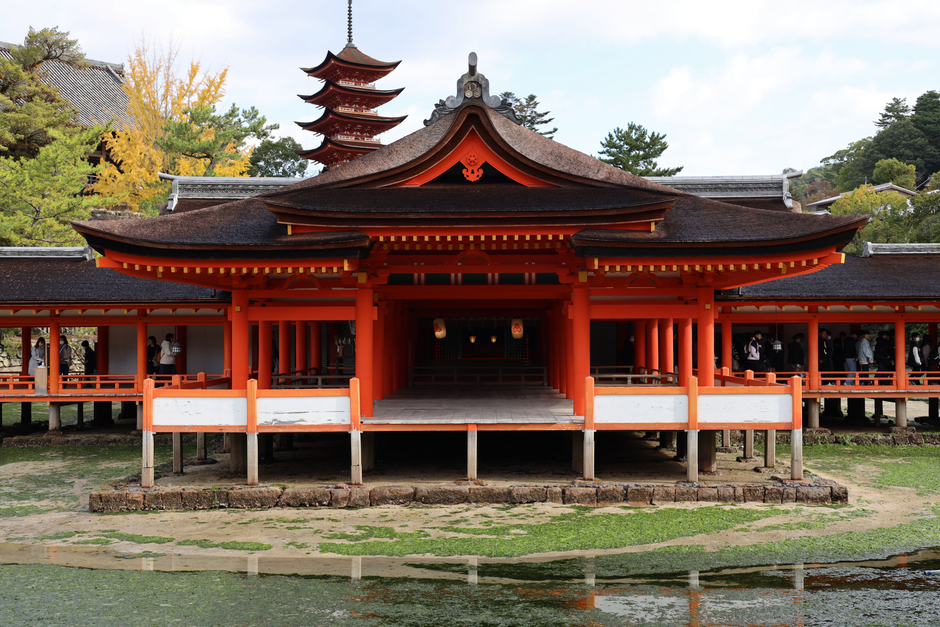
| 10:00–12:00 | Visit the Peace Memorial Museum at an unhurried pace | Explore Itsukushima Shrine and the surrounding paths |
| 12:00–14:00 | Lunch and a slower walk through the park | Lunch away from the most crowded entrance streets |
| 14:00–17:00 | Choose Hiroshima Castle or Shukkeien Garden | Choose the mountain route, forest paths, or extra shrine time |
| 17:00 onward | Return to central Hiroshima for dinner | Watch the waterfront light change before returning |
Let the tide shape the island day
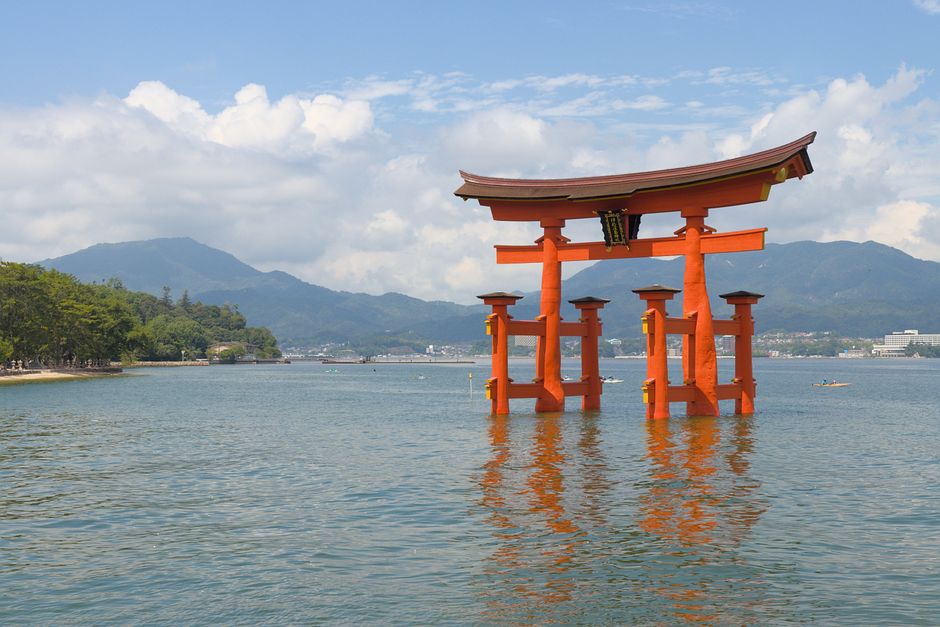
The famous torii gate changes dramatically with the tide. At high tide, it appears to stand in the water. At low tide, visitors may be able to walk across the exposed ground toward it, although access conditions can vary. Neither view is automatically better. High tide creates the classic floating scene; low tide reveals the shoreline and the scale of the structure.
Do not build the entire day around one exact minute. Weather, ferry queues, and walking speed will shift the schedule. A flexible two-hour window works better than a perfect plan that collapses after one delay.
Avoid these common Hiroshima and Miyajima mistakes
The biggest problems on this route come from poor timing, not a lack of attractions. The following errors are easy to avoid.
- Treating the Peace Memorial Museum like a quick stop. The museum is not a photo opportunity between other attractions. Give it enough time, then leave a quiet gap before moving on. The subject demands attention, and the visit may feel more intense than expected.
- Early arrival creates calmer walking conditions and makes it easier to see the waterfront before queues build.
- Ignoring the tide. Visitors often expect the torii to look exactly like a postcard. The shoreline changes throughout the day, so check the tide before deciding when to visit the shrine area.
- Planning the mountain as a casual add-on. The upper trails require more time and energy than the waterfront route. If the mountain is a priority, start early and avoid filling the same afternoon with too many separate sights.
- Underestimating walking. Hiroshima’s memorial district is spread out, and Miyajima involves slopes, steps, and uneven paths. Comfortable footwear matters more than squeezing in one extra attraction.
- Waiting until the last moment to check the return trip. Ferry and transport services follow schedules, and the final connections may not match a late dinner plan. Confirm the return options before starting a remote trail or extended evening walk.
When to reverse the order
Reverse the itinerary when the forecast gives Miyajima a clear morning and Hiroshima a better second day, or when tide timing makes the island far more attractive on day one. The order can change; the time allocation should not. Miyajima still deserves most of a day, and Hiroshima’s memorial district should not be reduced to an hour between connections.
What to skip when time disappears
Cut secondary gardens and distant viewpoints before cutting the Peace Memorial Museum or the main Miyajima waterfront. A two-day trip works because it has a strong center. Remove optional sights, not the places that explain why the destination matters.
Local questions that change the experience
Is one day enough for Miyajima?
Yes, if the goal is the shrine, waterfront, main streets, and one additional walk. No, if the plan includes a long mountain route, several temples, extended photography stops, and a slow meal. A full day gives enough room for both the famous sights and the quieter parts of the island. A half-day can work for a tight schedule, but it turns every delay into a problem.
How much time should be allowed for the museum?
Allow at least ninety minutes, with extra time for the surrounding memorial sites. Some visitors finish sooner; others need longer. The important point is to avoid placing a fixed lunch reservation or an immediate ferry connection directly after the visit. The museum’s content can change the pace of the entire morning.
What should happen in bad weather?
Keep Hiroshima’s museum and memorial district as the main plan, then use indoor cultural sites or a longer meal if rain makes Miyajima’s mountain trails unpleasant. The island still works in light rain because the shrine and waterfront remain atmospheric, but heavy rain can reduce visibility and make forest paths slippery. Do not force the summit hike just to claim that every activity was completed.
Food is part of the local experience, but it should support the route rather than control it. Hiroshima-style okonomiyaki, oysters, and sweet maple-leaf-shaped cakes are easy to find, yet the best meal plan leaves room for walking and changing weather. Pick a convenient place near the day’s final stop instead of crossing the city for a single dish.
Which version of the trip is best?
For most travelers, the best version is Hiroshima first and Miyajima second. The sequence moves from a serious, concentrated city experience to an outdoor island day with more visual variety. That contrast helps both places stand out. Starting with Miyajima can work when the tide, weather, or accommodation makes it clearly better, but it should be a deliberate choice rather than the result of leaving the timetable until the last morning.
Travelers focused on history should protect the first morning for the Peace Memorial Park and museum. Travelers focused on scenery should protect the second day for Miyajima’s shoreline and walking trails.
The trip does not need more attractions. It needs better spacing, realistic walking time, and enough attention for the places already on the route.
| Priority | Reason |
|---|---|
| History and reflection | Keeps the memorial district focused and unrushed |
| Shrines and scenery | Allows a full day for the waterfront, paths, and tide views |
| Lower crowd levels | Reaches the shrine area before the busiest period |