Machu Picchu rewards careful planning because entry times, visitor circuits, transport and mountain conditions all shape the experience. The best visit is not the fastest one; it is the one with enough time for altitude, transfers and the route that matches the reason for going.
When to plan a Machu Picchu visit
Book the fixed pieces first
Start with the official Machu Picchu entry ticket, then arrange transport to Machu Picchu Pueblo and accommodation around that date. Online reservations are made through Peru’s official cultural ticket platform. A reservation may expire before payment, so check the payment deadline shown during booking.
The regular daily limit is 4,500. Higher capacity does not mean unlimited availability on the preferred route. Popular morning slots and mountain routes can still disappear early.
Pick the season for the kind of day wanted
May through October usually brings more stable conditions, but June through August is also the busiest period. November through March has a greater chance of rain, yet the landscape can look intensely green and some days remain clear. A visit in the wet season needs flexible transport plans and a waterproof layer. A visit in the dry season needs an early start, warm clothing for the first hours and patience with crowds. Book the entry slot first; build the rest of the itinerary around it.
Which Machu Picchu circuit fits the trip?
The current system groups ten routes into three main circuits. The circuit matters more than the entry hour because it controls which parts of the site can be seen. A ticket for a panoramic route does not automatically include the main urban sector.
| Best for | What to expect |
|---|---|
| Classic views and high terraces | Strong photography and broad mountain scenery; no full urban-sector visit |
| First-time visitors who want the citadel | The most balanced view of terraces, plazas and major architectural areas |
| Travelers focused on royal and lower-sector areas | More emphasis on ceremonial and restricted sections, with selected mountain routes |
The clear choice for most first visits
Circuit 2 is the strongest all-round choice for a first visit because it combines the classic view with access through the main archaeological areas. Circuit 1 suits travelers who mainly want elevated viewpoints or a mountain climb. Circuit 3 works better for repeat visitors and travelers who prefer a quieter route with a different emphasis.
Routes within the same circuit are not identical. Some mountain and long walking routes require more time, steeper steps and better weather. Read the route description before paying. The words “Machu Picchu” on a ticket do not mean every path is included.
A practical three-day Machu Picchu itinerary
Use this plan after arriving in Cusco
- Day one: recover in Cusco. Keep the schedule light. Cusco sits at about 3,400 metres, much higher than Machu Picchu at about 2,445 metres. Drink water, eat simply and avoid turning arrival day into a strenuous sightseeing marathon. A gentle walk through the historic centre is enough.
- Day two: cross the Sacred Valley and sleep near the entrance. Travel toward Machu Picchu Pueblo with enough time to arrive before evening. This overnight stop removes the biggest risk in the plan: trying to reach the archaeological site after a long transfer on the same morning.
- Day three: visit Machu Picchu and return. Reach the bus station early, allowing extra time for the queue and the uphill road. Carry only what is allowed and needed. After the visit, leave a generous buffer before the return train or walking connection.
A longer version adds one or two nights in the Sacred Valley before Machu Picchu. That option is better for travelers arriving from sea level, families with children, and anyone who wants room for a delayed train or a rainy morning. The compressed version can work, but it leaves little protection against missed connections.
How to reach Machu Picchu without a rushed transfer
Spend one night in Machu Picchu Pueblo. That is the most reliable choice for a first visit. The town sits below the sanctuary and gives the body, luggage and transport plan a buffer. A same-day journey from Cusco can involve a road transfer, a train, a walk or bus connection, a timed entry and queues. One delay can affect every later step.
The standard rail approach
Many visitors travel from Cusco or the Sacred Valley by road to a rail station, then continue by train to Machu Picchu Pueblo. The journey from the Sacred Valley is shorter than starting in Cusco, which is why an overnight stay in the valley can make the following day calmer. Match the train arrival to the ticket entry time, not the other way around. Allow time to reach the bus station and climb to the entrance.
What altitude and weather actually require
Machu Picchu is lower than Cusco, but the journey often begins in Cusco, where altitude affects sleep, appetite and walking speed. The sanctuary is also humid, steep and exposed to fast changes in weather. Slow down at altitude during the first days, even if the distance looks short on a map.
- Carry a light waterproof layer. Rain can arrive quickly, including during the drier months.
- Wear shoes with firm grip. The route includes uneven stone, narrow steps and wet surfaces.
- Bring sun protection and insect repellent. Cloud cover does not prevent strong ultraviolet exposure.
- Pack water and a small snack where permitted. Avoid a heavy bag on steep paths.
- Use layers instead of one thick garment. Mornings can feel cold, while walking becomes warm.
- Plan a slower first day in Cusco if there is headache, nausea, unusual fatigue or poor sleep.
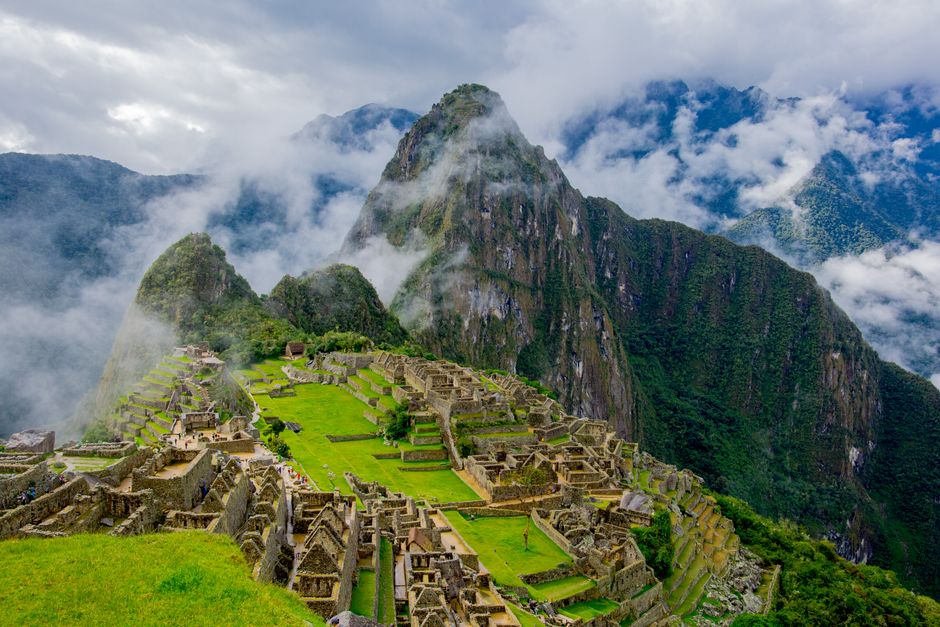
Rain is not the only weather issue. Low cloud can hide the mountains during the first hour, then lift later. A cloudy visit is still worthwhile because the stonework, terraces and vegetation become more atmospheric. The best response is a flexible mindset, not an overloaded schedule.
What can go wrong and how to avoid it
What happens if the wrong route is selected?
A traveler may expect the classic citadel walk after booking a panoramic or mountain route. The ticket only grants access to its assigned circuit. Compare the route name, walking length and included sectors before confirming. If the main urban area is the priority, choose the classic circuit rather than assuming every ticket covers it.
Can a same-day arrival work?
It can, but it is fragile. A road delay, late train, long bus queue or wrong station can make a timed entry impossible. Arriving the previous day is the safer recommendation, especially during high season or wet weather. A return flight on the same day as the ruins visit creates another avoidable risk.
What small mistakes cause the most trouble?
- Using a passport or identity document that does not match the reservation details.
- Arriving at the entrance just as the entry window begins instead of allowing time for the town-to-site connection.
- Booking a strenuous mountain route without checking steepness, duration and weather exposure.
- Carrying a large bag, food or equipment that is restricted at the entrance.
- Expecting to leave the circuit and re-enter later. Routes are controlled, and re-entry is not a safe assumption.
What the visit feels like on the ground
Set realistic expectations
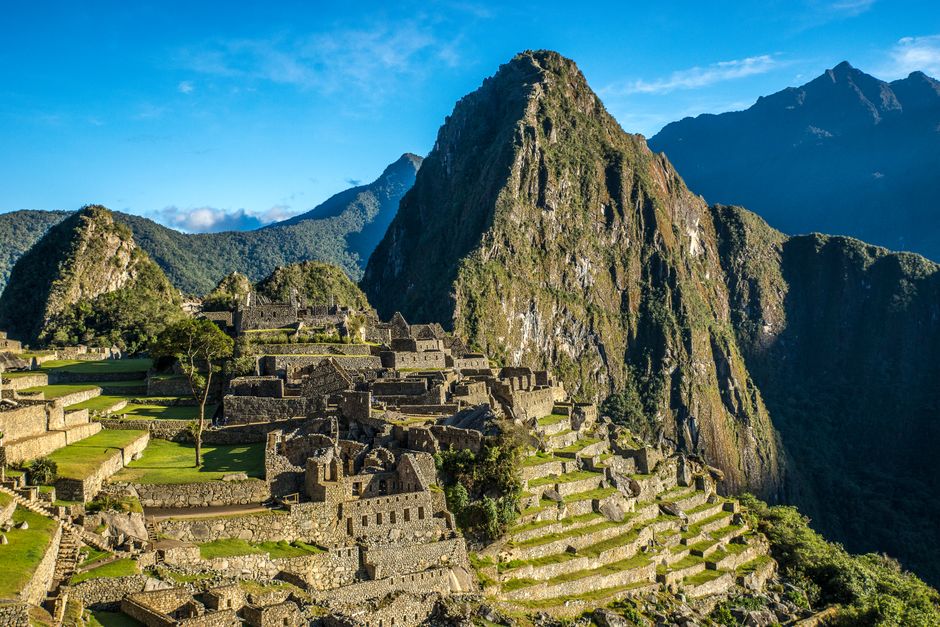
Machu Picchu is smaller, steeper and more controlled than many visitors imagine. The famous viewpoint is only one part of the experience. The route moves through terraces, stone walls, stairways and tightly managed passage points, often with limited space to stop. A guide can add historical meaning, but the site still requires attention to signs and staff instructions.
The best way to spend the final hour
Do not rush every viewpoint. Pause where the route allows, look at how the terraces follow the mountain and notice the drainage, stone fitting and relationship between the built areas and the surrounding peaks. Keep voices low, stay on the marked path and leave the site with enough time to complete the circuit. The clearest plan is simple: choose the right route, sleep nearby, protect the entry time and leave room for mountain weather.