Arriving in Ho Chi Minh City with only a weekend often creates the same problem: too many famous places, too much traffic, and not enough time to enjoy any of them. The city spreads across busy districts, but the central sights fit into a smart two-day route.
What Two Days Can Realistically Cover
Two days are enough for a strong first impression, but not enough to see every district. The central area works best because many major sights sit within short walking or taxi rides of one another. District 1 is the practical base for a first visit, while District 3 adds quieter streets, older villas, and more local rhythm. The main mistake is treating the city like a museum route. Ho Chi Minh City is experienced between the sights: at a street corner, beside a coffee stall, or while waiting for traffic to clear.
A workable rhythm
Start early, place the most important outdoor walk before midday, and keep the hottest hours for museums, lunch, or a hotel break. Evening plans should stay flexible because rain and traffic can change travel times quickly.
| Time | Best use | Reason |
|---|---|---|
| 7:00–10:30 | Walking and markets | Cooler air and active streets |
| 10:30–14:30 | Museums and lunch | Heat and short rain showers |
| 15:00–18:00 | Neighbourhood exploring | Better light and lower heat |
| 18:00–21:30 | Dinner and river views | Most streets become lively |
What to leave out
Skip distant day trips, several museums in one afternoon, and any plan that crosses the city repeatedly. A calm central route gives more value than collecting ten rushed check-ins.
Day One: Old Saigon, Markets, and the River
The first morning should explain the city’s layers. Begin around the old central streets before the heat builds. The area around the Central Post Office, Notre-Dame Cathedral Basilica, and the former civic boulevard gives a compact introduction to French colonial planning, modern office towers, and constant motorbike traffic. The cathedral may have limited access during restoration work, so the exterior and surrounding streets are the reliable part of the stop.
Morning route through the centre
Walk from the Central Post Office toward Nguyen Hue Walking Street, using side streets instead of staying on the widest road. This takes roughly 30 to 45 minutes with pauses. Nguyen Hue is broad, open, and useful for seeing how the city changes from office traffic to evening social space. Continue toward the river, then turn back before the midday heat becomes tiring.
Use the next hour for Ben Thanh Market, but enter with realistic expectations. The market is crowded, warm, and designed for browsing rather than a quiet meal. The surrounding streets often offer easier seating and a less intense dining experience.
Afternoon history and evening atmosphere
After lunch, choose one major indoor stop instead of stacking several. The Independence Palace works well for architecture and political history, while the War Remnants Museum demands more emotional energy and careful reading. Choose the museum that matches the day’s attention span. A short rest afterward is sensible, especially during the wet season.
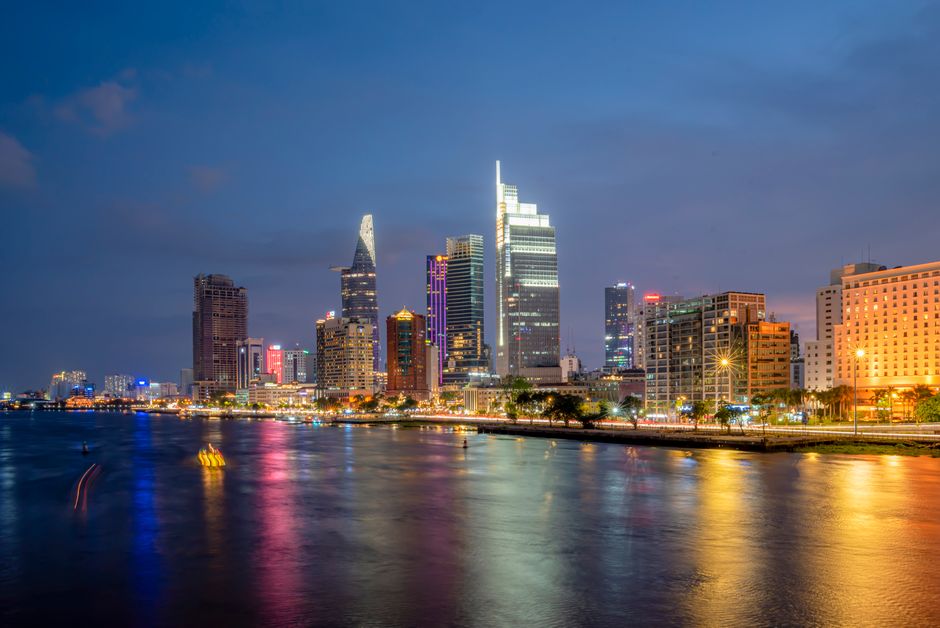
Finish at Nguyen Hue after sunset or continue toward the riverfront. The central promenade is best when the temperature drops and families, students, and office workers fill the space. Dinner can stay close to the walking route. The first day should end with a manageable evening, not a late transfer to a distant neighbourhood.
Day Two: History, Local Streets, and Sunset
Day two works better when it moves more slowly. The aim is to see how residents use the city, not to repeat the landmarks from the first morning. Begin with a local breakfast, then explore District 3 or the edges of District 1. These areas contain tree-lined roads, older houses, small temples, and streets where the pace feels less staged for visitors.
- Start before 8:00. Early streets are cooler, and breakfast stalls are at their busiest. Choose a crowded place with fast turnover, clear food handling, and a menu that can be understood without guesswork.
- Walk in short blocks. Ten to fifteen minutes of walking followed by shade is more comfortable than one long march.
- Choose one cultural focus. A temple, a museum, or an old neighbourhood is enough for the morning. Combining all three usually turns the day into a checklist.
- Protect the middle of the day. Use lunch and early afternoon for air conditioning, a café, or a proper rest. Heat fatigue can arrive suddenly, especially after several road crossings.
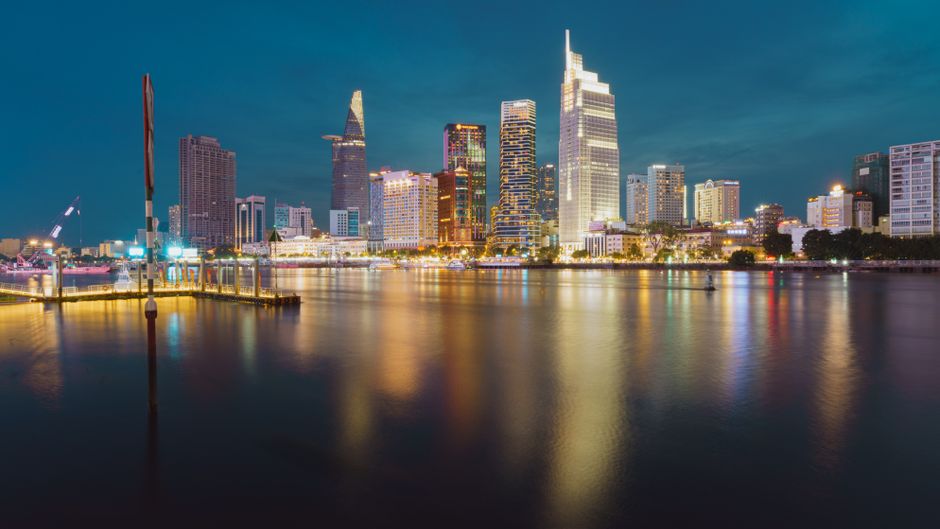
- Pick the sunset area early. The riverfront, a central rooftop viewpoint, or a quieter canal-side district each creates a different evening. Select one and allow extra travel time.
- Keep dinner nearby. After dark, traffic remains heavy. Staying close to the final activity leaves energy for a final walk and reduces the risk of spending the evening in a car.
A second-day route should include one unplanned hour. That gap is not wasted time. It allows room for a sudden shower, a slow meal, or a street that looks more interesting than the next scheduled stop.
How to Move Through the City Without Losing Time
The best transport strategy is to combine short walks with point-to-point rides. Walking reveals the city, but crossing several large roads in tropical heat can drain the day. Cars and motorbike taxis save time across longer gaps, yet traffic can make a short distance surprisingly slow. The winning approach is to group sights by area and move only when the next cluster is ready.
Crossing roads safely
Use a steady pace and cross with the flow rather than making sudden stops. Look in both directions because motorbikes may approach from angles that feel unfamiliar. Main crossings near tourist streets can look chaotic, but hesitation often creates more risk than a calm, predictable movement. Follow local pedestrians when a road feels too wide.
Planning around heat and rain
Schedule outdoor walks before 10:30 and after 16:00 whenever possible. Carry water, use shade, and treat sudden rain as a reason to pause rather than a disaster. Heavy showers can pass quickly, but low streets may flood for a short period. Shoes with secure soles are more useful than delicate footwear on wet pavements.
Choosing the right base
Central District 1 is the easiest base for a short stay because it reduces transfers to the main historic sights. District 3 suits visitors who prefer quieter streets and are comfortable adding short rides. Staying near the airport may simplify arrival, but it creates unnecessary travel for a sightseeing weekend. The clear choice for first-time visitors with two days is a central location near the walking streets.
Ho Chi Minh City Questions That Change the Plan
Is two days enough for Ho Chi Minh City?
Two days are enough for the centre, the main historical sights, several local meals, and one relaxed evening. They are not enough for a deep visit to every district or a meaningful Mekong Delta trip. Adding a distant excursion removes the time that makes the city enjoyable. For a short first visit, keep the route inside the central districts.
Should the Mekong Delta fit into this itinerary?
Only if the main goal is the river region rather than Ho Chi Minh City itself. A Delta trip often consumes most of one day once transfers, waiting, and return traffic are included. That leaves little time for the city’s museums, markets, and neighbourhoods. The Delta is better with an extra night or a separate trip.
What should be avoided?
Avoid assuming every central street is easy to walk; parked motorbikes, broken pavement, and heat change the pace. Also avoid treating rain as a failed day. A covered market, museum, or long lunch can preserve the itinerary.
The Best Two-Day Rhythm for First-Time Visitors
The strongest plan is simple: use day one for the historic centre and riverfront, then use day two for a slower neighbourhood route and one carefully chosen cultural stop. This creates contrast. The first day shows the city’s public face, with grand buildings, major promenades, and crowded markets. The second reveals smaller streets, local routines, and the spaces between headline attractions.
Leave the schedule loose around lunch and sunset. Those are the moments most affected by heat, rain, road congestion, and appetite. A rigid timetable may look efficient on paper but often creates long waits and tired walks. Three meaningful stops with time to sit are better than eight rushed locations.
Expect noise, humidity, uneven sidewalks, and traffic that takes practice to read. Expect generous food portions, busy cafés, sudden quiet lanes, and evenings that feel more social than the daytime streets. Ho Chi Minh City rewards attention to small changes rather than a perfect checklist.
The single most important takeaway is to group nearby sights, protect the hottest hours, and leave enough space for the city to surprise you.