How many days does Hallstatt and Salzkammergut need?
What does a short visit cover?
Is Hallstatt worth visiting if the trip has only one or two free days? Yes, but a rushed stop gives a narrow view of the region. Hallstatt itself is compact. The waterfront, market square, parish church, lakeside path and main viewpoints can fit into several hours. The wider Salzkammergut is different. Its lakes, mountain roads and small villages are spread across a large area, so travel time quickly replaces sightseeing.
A one-day plan works best for a focused visit to Hallstatt. Arrive early, walk through the old village, visit one major attraction, eat away from the busiest waterfront stretch and leave before late-afternoon crowds build. A two-day plan is more balanced. It creates room for Hallstatt plus one nearby lake or mountain setting without turning the trip into a checklist.
What is the best length for the full region?
The strongest choice is a two-night minimum for travelers using public transport and three nights for travelers who want several lakes. Two nights allow one day for Hallstatt and one day for a second destination such as St. Wolfgang, Bad Ischl or the Gosau valley. Three nights make the route less fragile when rain, delayed connections or a closed mountain lift changes the plan.
The verdict is direct: Hallstatt suits a day trip, but the Salzkammergut deserves at least two full sightseeing days. Staying longer improves the experience more than adding another attraction, because the region rewards slow lake walks and flexible weather decisions.
Which itinerary works best for different trip lengths?
The practical route by available time
There is no single perfect circuit. The right route depends on how much time can be spent moving between villages.
| Trip length | Main base | Suggested plan | Best for |
|---|---|---|---|
| 1 day | Hallstatt | Old village, lakeside walk, viewpoint, early departure | First-time visitors with limited time |
| 2 days | Hallstatt or Bad Ischl | Hallstatt on day one; Lake Wolfgang or Bad Ischl on day two | A balanced first visit |
| 3 days | Bad Ischl or a central lake village | Hallstatt, Lake Wolfgang, and Gosau or another mountain valley | Travelers who want variety |
| 4 or more days | One or two bases | Several lake districts with a weather buffer | Hikers and slower travelers |
Which base makes the route simpler?
Hallstatt offers the strongest visual setting but limited space and a narrow range of evening activities. Bad Ischl works better as a practical base for travelers who want rail and bus connections, cafés, and easier access to several sides of the region. A lake village can be the best choice for quiet mornings, but it may require more careful transport planning.
The clear recommendation is to use one base for two nights unless the trip lasts four days or more. Changing accommodation too often adds packing time without adding much scenery.
What do the Salzkammergut lakes actually feel like?
Hallstatt is dramatic, compact and busy
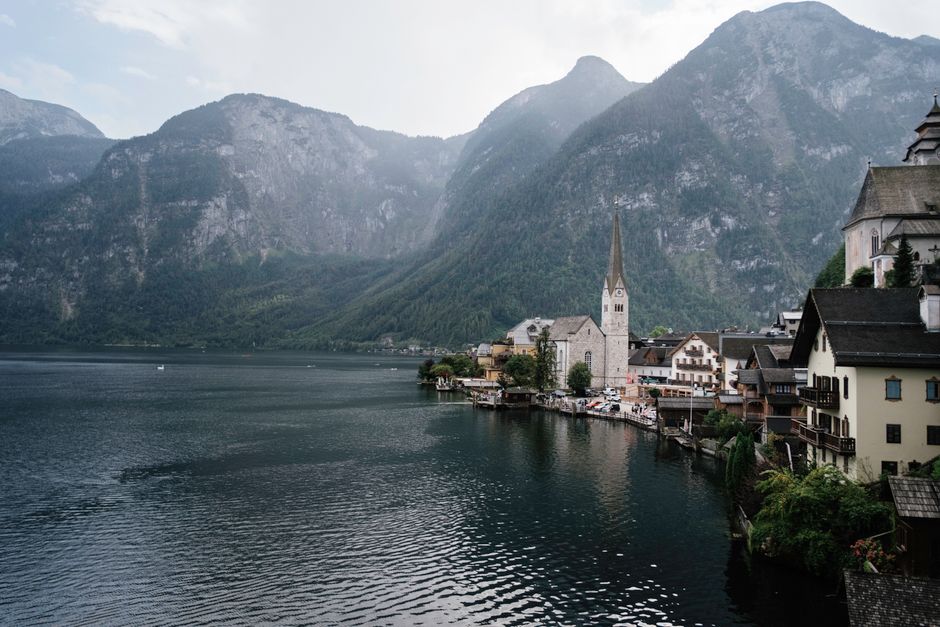
Hallstatt delivers the famous image: steep mountains rising behind a narrow strip of buildings beside the lake. That setting explains the attention, but it also creates limits. The village has little flat space, few broad roads and a small center. Visitors often expect a large resort and find a historic settlement that can be explored quickly. The visual impact is real; the idea that the village alone fills several relaxed days is less convincing.
Morning light changes the experience. Early hours bring quieter lanes, clearer views across the water and a better chance to hear the lake rather than constant foot traffic. By midday, the waterfront can feel more like a viewing corridor than a peaceful village street. The smartest approach is to treat Hallstatt as the visual anchor of the trip, then spend the rest of the time in places with more room to walk.
The other lakes provide the breathing space
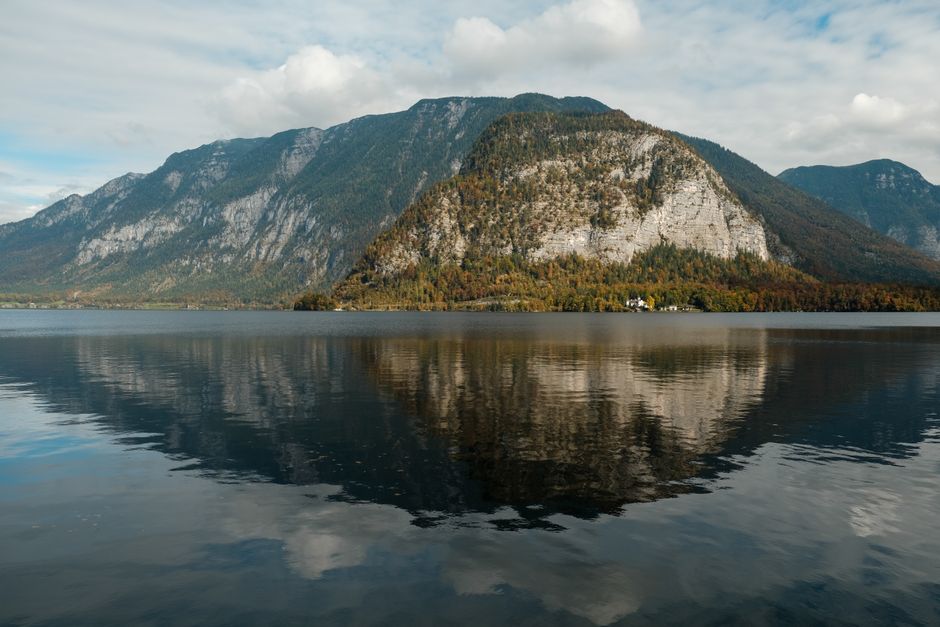
Lake Wolfgang has a broader holiday landscape, with waterside settlements, boat connections and mountain views that unfold across the shoreline. The area around St. Gilgen and St. Wolfgang feels more open than Hallstatt and suits travelers who want a longer day outside. Lake Mondsee offers a gentler setting with easier walking and a different view of the surrounding hills. The Gosau lakes provide a stronger mountain backdrop and a more outdoors-focused mood, although weather can affect access and trail conditions.
The verdict is simple: visit Hallstatt for concentration and scenery, then choose a second lake for space and contrast. That pairing produces a fuller picture of the Salzkammergut than collecting several short photo stops.
How should transport, weather and walking time shape the plan?
Use a decision order, not a rigid checklist
Build each day in this order: choose the main outdoor destination, check the transport connection, then add one nearby indoor or low-effort option. This prevents a common mistake: planning three distant stops and leaving no time for delays.
- Start early for Hallstatt, especially during weekends, school holidays and bright summer weather.
- Allow extra time for the final connection into smaller lake villages. A short distance on a map can involve a train, bus, boat or steep local road.
- Keep one flexible half-day for rain. Museums, historic streets, cafés and spa facilities can protect the trip when mountain views disappear.
- Wear shoes with firm grip. Waterfront paths are easy, but steep lanes, wet stone and uneven trail sections change the difficulty.
- Check the return connection before starting a remote walk.
What should happen when the forecast changes?
Do not cancel the whole day because the summit is hidden. Low cloud can still leave the villages and lakes attractive. Instead, move the longest viewpoint or hiking plan to the clearest day and use poor weather for village walks, cultural sites or a slower meal.
The best planning rule is a weather buffer of at least half a day on a trip lasting three nights or more. That small reserve often protects the most memorable outdoor experience.
Which mistakes make a Hallstatt trip feel disappointing?
Start with the strongest opinion
The biggest mistake is treating Hallstatt as the entire Salzkammergut. The village is attractive, but its scale makes it a weak stand-alone plan for several days. Travelers who stay only on the waterfront miss the region’s main advantage: the contrast between compact historic settlements, open lake shores and larger mountain landscapes.
Common failure points to avoid
- Arriving at midday: The most crowded period also gives the least relaxed time for photographs, walking and transport connections. An early start is the simplest fix.
- Planning too many lakes: Four names on a map do not equal four meaningful visits. Pick one lake district and spend enough time to walk, sit beside the water or take a local boat connection.
- Ignoring the return route: Rural connections run on a timetable, not on demand. Check the final departure before beginning a long walk or crossing to another shore.
- Booking every hour: Clear weather, late transport and slow meals are part of the region. A packed schedule creates stress and still leaves less time outside.
- Assuming every viewpoint operates daily: Mountain lifts, trails and attractions can close because of weather, maintenance or seasonal schedules. Keep a ground-level alternative ready.
Another weak choice is placing the most weather-sensitive activity on the final morning. If clouds arrive, there is no recovery window. Put the highest-priority view or hike earlier, then use the final day for a flexible route near the departure point.
The practical verdict: reduce the number of stops, arrive before peak crowds and protect the return journey. Those three decisions matter more than squeezing in another landmark.
What should first-time visitors know before they go?
Is Hallstatt suitable for a relaxed trip?
Yes, if the schedule separates sightseeing from transit. Hallstatt itself is manageable on foot, but the surrounding area is not one compact attraction. Allow real time for connections, stairs, weather changes and pauses beside the water. Travelers who dislike crowds should visit early and spend the afternoon elsewhere.
Should the trip focus on villages, lakes or mountains?
Choose two of the three as priorities. Villages provide history and atmosphere. Lakes provide slower walks and broader views. Mountains provide the most dramatic scenery but carry the highest weather risk. Trying to prioritize all three every day usually produces a rushed route. The strongest first visit combines Hallstatt with a lake-focused day, then adds a mountain valley only when conditions are stable.
What is the final route recommendation?
For one day, stay focused on Hallstatt and protect the return journey. For two days, pair Hallstatt with Lake Wolfgang or Bad Ischl. For three days, add the Gosau area or another mountain setting and keep one half-day flexible. For four days or more, slow down rather than adding destinations at random.
That answers the opening question: Hallstatt is worth visiting, but it works best as one part of a carefully paced lake region. Arrive early for the famous village, leave room for a quieter shoreline, and the trip becomes more than a quick photograph beside a crowded waterfront.