Can Kuala Lumpur fit into a two-day trip? Yes, provided the schedule groups nearby sights, leaves room for tropical weather, and treats travel time as part of the plan rather than an afterthought. The strongest short visit combines the historic center, the modern city core, Batu Caves, and one evening spent around local food streets.
This guide uses typical travel conditions and practical planning principles. Opening hours, transport services, weather, and access rules can change, so confirm details shortly before departure.
What can two days in Kuala Lumpur realistically cover?
The right geographic frame
Kuala Lumpur rewards geographic grouping. The old civic district, Central Market, Chinatown, and the river junction sit close enough to form one walking-focused block. The modern center, KLCC Park, the Twin Towers area, and Bukit Bintang form another. Batu Caves sits outside the central cluster and deserves a separate half-day.
A two-day visit can therefore cover the city’s main contrasts without pretending to show every neighborhood. Day one should explain Kuala Lumpur’s history and urban shape. Day two should add Batu Caves, a local district, and a slower food-focused evening.
The key trade-off
The main trade-off is depth versus distance. Adding several far-flung attractions creates a crowded checklist and leaves little time for heat breaks, meals, queues, or unexpected delays. A shorter route gives a clearer sense of how the city works: Malay, Chinese, Indian, colonial, Islamic, and modern influences share the same urban space.
The most reliable verdict is simple: choose four major areas, not twelve isolated sights. That approach works best for a first visit because it protects the hours that are often lost between locations.
Day one: how to explore Kuala Lumpur’s historic core and city center
A workable morning-to-evening schedule
| Time | Area | Purpose |
|---|---|---|
| 8:30–10:00 | Merdeka Square and nearby civic buildings | See the historic center before the strongest heat |
| 10:00–11:30 | River junction and Jamek Mosque area | Understand the city’s early settlement pattern |
| 11:30–13:00 | Central Market | Browse local crafts and take a shaded break |
| 13:00–15:00 | Chinatown | Eat, walk, and rest during the hottest period |
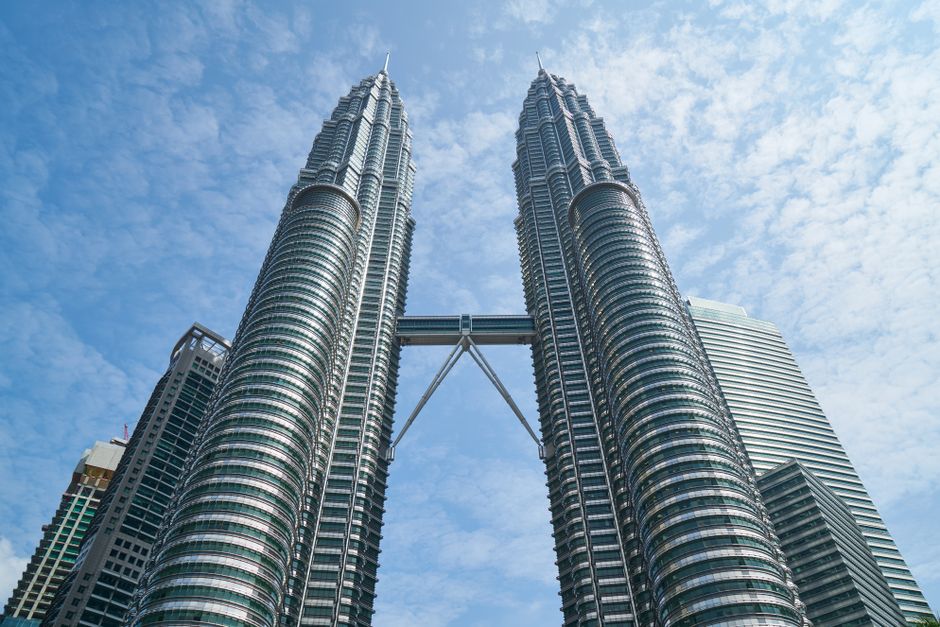
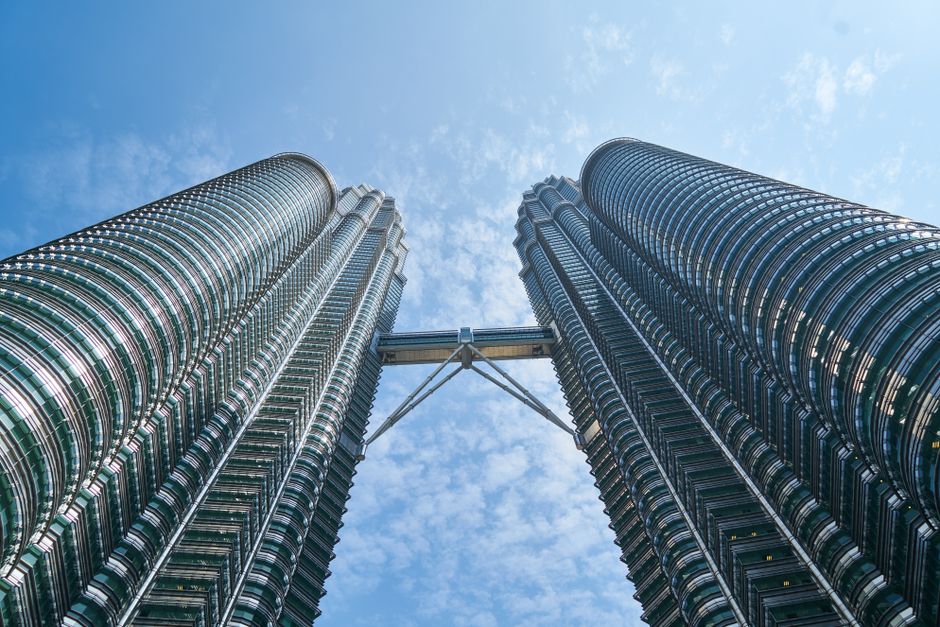
| 16:00–18:30 | KLCC Park and the Twin Towers area | See the modern skyline at late afternoon |
| 19:00 onward | Bukit Bintang | Choose dinner and observe the evening street life |
How to keep the route comfortable
Start early because the civic district offers limited shade in several open areas. Wear clothing suitable for religious sites, keep shoulders and knees covered when required, and remove shoes when local rules ask for it. Central Market and Chinatown provide useful pauses when rain or heat makes outdoor walking unpleasant.
If the morning runs late, remove one stop instead of pushing every later visit back. The clearest first-day verdict is to protect the historic core and the evening skyline; those two sections show the city’s strongest contrast.
What should day two include beyond the city center?
Use this order
- Begin at Batu Caves. Arrive early, before the steps become crowded and the sun becomes intense. The site is both a Hindu religious complex and a dramatic limestone setting, so visitors should behave as guests at an active place of worship rather than as visitors entering a theme park.
- Allow time for the return journey. A half-day trip needs room for waiting, walking, and finding transport. Rushing back to the center can make the afternoon feel harder than the itinerary suggests.
- Choose one neighborhood for the afternoon. Little India offers colorful streets and South Indian food traditions. Kampung Baru gives a different view, with traditional Malay houses and local eateries near the modern skyline. Choose one rather than attempting both in a single short afternoon.
- Reserve the evening for food. Kuala Lumpur’s food culture makes more sense when meals are treated as part of the itinerary. Look for busy local places, observe ordering habits, and avoid turning dinner into a second sightseeing sprint.
What the second day is really for
Day two should add texture, not another list of monuments. Batu Caves explains the city’s religious diversity and geology. A neighborhood walk shows how ordinary life sits beside major commercial districts. The evening then gives the trip a slower finish.
The firm recommendation is Batu Caves in the morning, one carefully chosen neighborhood after lunch, and a relaxed dinner nearby. That sequence leaves enough margin for weather and still delivers a strong view of Kuala Lumpur beyond its skyline.
Where should visitors stay and how should they move?
For a two-day visit, the best base is a central district with reliable rail access and several food options within walking distance, because location saves more time than an ambitious transport plan. The historic center suits travelers who value heritage streets and early sightseeing, while Bukit Bintang suits visitors who want evening dining and a lively urban setting; the modern center works best for travelers focused on the skyline and parks. Rail services are usually the clearest choice for longer cross-city journeys, while walking works well inside compact districts and short car journeys fill the gaps when heat, rain, or limited pedestrian shade changes the calculation. The practical rule is to group each day by area, check the last realistic departure before leaving a distant sight, and build a thirty-minute weather buffer into any fixed appointment.
Which Kuala Lumpur mistakes cause the most trouble?
Overloading the route
The most common mistake is treating Kuala Lumpur as a small city because many landmarks appear close together on a map. Roads, rail transfers, queues, heat, and rain can turn a short-looking journey into a long one. A route that crosses the city several times also creates unnecessary fatigue. Remove the least important stop before the day begins, not after the schedule has already broken down.
Ignoring weather and clothing rules
Heavy rain can arrive quickly, while midday heat can make exposed streets uncomfortable. Carry water, choose breathable clothing, and plan indoor pauses near the middle of the day. Covering the shoulders and knees, speaking quietly, and following signs prevents avoidable embarrassment.
Confusing a landmark with an experience
A photograph outside a famous site does not explain the place. Batu Caves requires respectful movement through a functioning religious setting. Merdeka Square makes more sense when paired with the surrounding civic buildings and river junction.
- Do not schedule an outdoor viewpoint immediately after a long cross-city transfer.
- Do not assume every neighborhood is equally easy to explore on foot.
- Do not enter a religious site without checking visible rules.
- Do not leave the only meal break until the final hour of the day.
The strongest correction is to replace speed with sequence: early outdoor sights, midday shelter, late-afternoon walking, and an unhurried evening.
Kuala Lumpur in two days: practical questions answered
Is two days enough for a first visit?
The itinerary can cover the historic center, modern skyline, Batu Caves, one local neighborhood, and several meals without becoming unreasonable.
Should Batu Caves be visited on the first or second day?
The second morning is usually the better choice because it keeps day one compact and lets the trip begin with a walkable central route. An early Batu Caves visit also leaves the afternoon available if weather or transport changes the plan. Visitors with a late arrival should move Batu Caves to the first available early morning rather than forcing it into the afternoon.
What is the clearest final recommendation?
For a two-day first visit, use the historic center and modern skyline on day one, then visit Batu Caves and one carefully chosen neighborhood on day two. Keep the middle of each day flexible, use rail for longer movements, and treat local food and respectful behavior as central parts of the experience. That plan offers the best balance of major sights, cultural context, and breathing room.