What is the best route for a Loire Valley châteaux road trip?
Wondering how to see the Loire Valley’s famous castles without spending the whole trip behind the wheel? The strongest route links Blois, Chambord, Cheverny, Amboise, Chenonceau and Villandry in a loose westward arc. It covers the major sights while leaving room for village stops, riverside walks and long lunches.
Start in Blois or Amboise
Blois works well as the eastern gateway because Château de Chambord sits about thirty minutes away by car. Amboise makes a better base for a slower trip centered on the middle Loire. From Amboise, Château de Chenonceau takes roughly twenty-five minutes, while Château de Chaumont-sur-Loire takes about thirty-five minutes. Both towns have compact historic centers, restaurants within walking distance and easy access to the main château circuit.
Keep the daily driving short
The Loire Valley rewards a route with short hops rather than ambitious cross-country days. Aim for one major château before lunch and one smaller site or garden after lunch. Chambord and Chenonceau need several hours each, especially during busy months. A map may make the valley look compact, but entrance queues, parking walks and rural roads add time. The most comfortable plan uses two bases across four days and avoids changing accommodation every night.
Best overall verdict: begin near Blois, spend two nights around Amboise, then continue west only if Villandry or Azay-le-Rideau matters more than extra time in the central valley.
Which Loire Valley base suits your itinerary?
The best base depends on the balance between castle access, evening atmosphere and driving distance. A rural guesthouse can offer quiet views, but a town base makes dinner and evening walks much easier.
Base comparison at a glance
| Base | Best for | Main drawback |
|---|---|---|
| Blois | Eastern arrivals and Chambord | Less central for Chenonceau and Villandry |
| Amboise | First-time visitors and evening walks | Popular streets fill quickly in high season |
| Tours | Longer trips and rail connections | More urban and farther from Chambord |
| Saumur | Western Loire and wine villages | Too far west for a short castle-focused trip |
The clearest choice for four days
Choose Blois for the first night and Amboise for the next two. This split limits backtracking and puts the most visited castles within manageable morning drives. If the trip lasts five or six days, add Tours or Saumur rather than forcing every château into one base.
Book accommodation with parking or confirm the nearest public car park before arrival. Historic centers often use narrow one-way streets, and some accommodation entrances sit inside restricted traffic zones. That small check prevents an awkward arrival after a full day of driving.
How to build a four-day château itinerary
A useful itinerary protects the best parts of the day for the most demanding sites. Castles feel calmer early in the morning, while gardens and small towns work better later. The schedule below leaves space for delays instead of treating every stop as a timed race.
Days one and two: Blois, Chambord and Cheverny
- Day one: Arrive in Blois, explore the old town and visit the royal château if arrival time allows. Keep the evening free for the riverside promenade.
- Day two: Drive to Château de Chambord at opening time. Spend three hours exploring the exterior, central staircase and grounds. After lunch, continue to Château de Cheverny, which offers a more intimate scale and easier pacing.
Days three and four: Amboise, Chenonceau and the western gardens
- Day three: Drive to Amboise, walk through the old center and visit Château Royal d’Amboise. Treat the nearby Clos Lucé as an optional second stop rather than an obligation.
- Day four: Reach Château de Chenonceau early, then choose between Chaumont-sur-Loire and a relaxed afternoon in Amboise. For a fifth day, continue toward Villandry and Azay-le-Rideau.
This route works because it alternates grand architecture with smaller visits. It also keeps the longest walking days separate. Avoid placing Chambord and Chenonceau together unless the trip is very short and the goal is simply to collect highlights.
When should you drive through the Loire Valley?
Late spring and early autumn offer the best balance. Gardens look strong, daylight lasts long enough for relaxed drives and popular sites feel less pressured than during the core summer weeks.
Choose spring for gardens
April and May bring fresh green landscapes and flowering gardens, although rain can change the feel of an outdoor-heavy day. Pack a waterproof layer and keep one indoor château available as a flexible backup.
Choose autumn for quieter roads
September and October suit travelers who want warm light, harvest scenery and fewer large groups. Some seasonal attractions reduce their opening days later in autumn, so check each official château website before setting the route.
Summer remains workable, but early starts matter. Arrive before the first tour groups, reserve timed entry when a site requires it and avoid moving between several castles during the middle of the day. Winter offers empty roads and atmospheric stone buildings, but shorter daylight and reduced access make it a poor match for a first visit focused on gardens.
What driving mistakes should visitors avoid?
The Loire Valley looks easy on a map, yet small planning errors can consume half a day. The best road trip keeps the route simple and treats parking, meals and entry times as part of the itinerary.
Can a small car handle the route?
Yes. A compact car is easier on village streets and more comfortable in château car parks. Avoid loading the vehicle with visible luggage when stopping for lunch. Rural parking areas can sit far from the entrance, so carry only what is needed for the visit.
How much time should each castle receive?
Allow three to four hours for Chambord and Chenonceau, two hours for Amboise and roughly ninety minutes for smaller château visits. Add walking time for formal gardens. A ticket time is not the same as a complete visit time; security, parking and the walk to the entrance all sit outside that slot.
What route errors cause the most trouble?
- Trying to visit more than two major châteaux in one day.
- Assuming every village restaurant serves lunch late in the afternoon.
- Leaving the car in a town center without checking traffic restrictions.
- Using a scenic detour on a day already built around a timed entry.
- Ignoring weather when the itinerary depends on gardens.
The clearest rule is simple: protect the first visit of the day and keep the second half flexible.
What should visitors expect inside the châteaux?
Do not expect every château to feel like a furnished family home. Some focus on royal power, some on military design and others on gardens, art or domestic life. The strongest visits become easier when each building has a different purpose in the route.
Chambord is about scale and design
Chambord impresses through its enormous roofline, towers, terraces and central staircase. The grounds stretch far beyond the main building, so comfortable walking shoes matter. The interior has fewer intimate rooms than visitors sometimes expect. Go for the architecture and landscape, not a complete picture of everyday court life.
Chenonceau is about setting and atmosphere
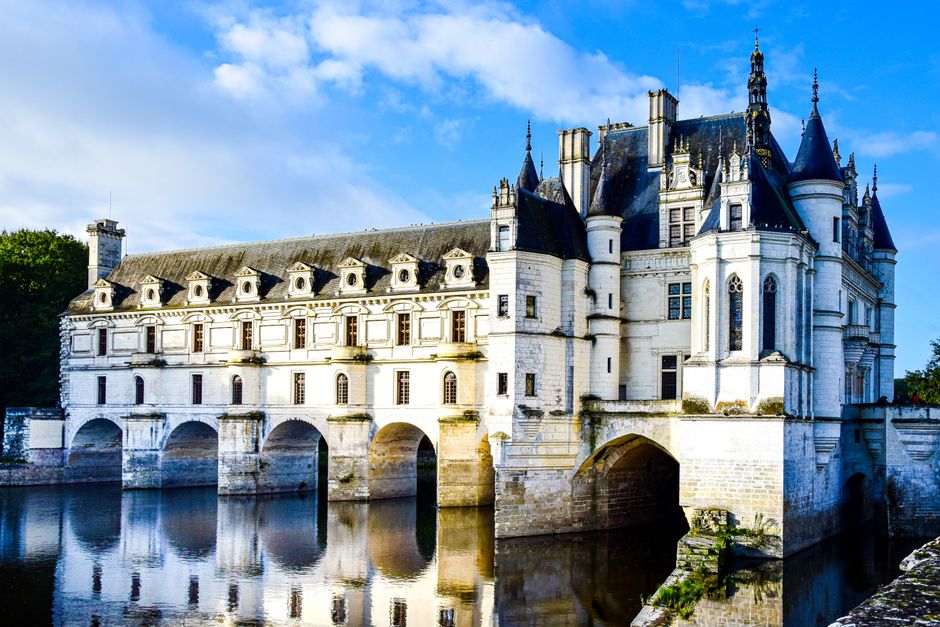
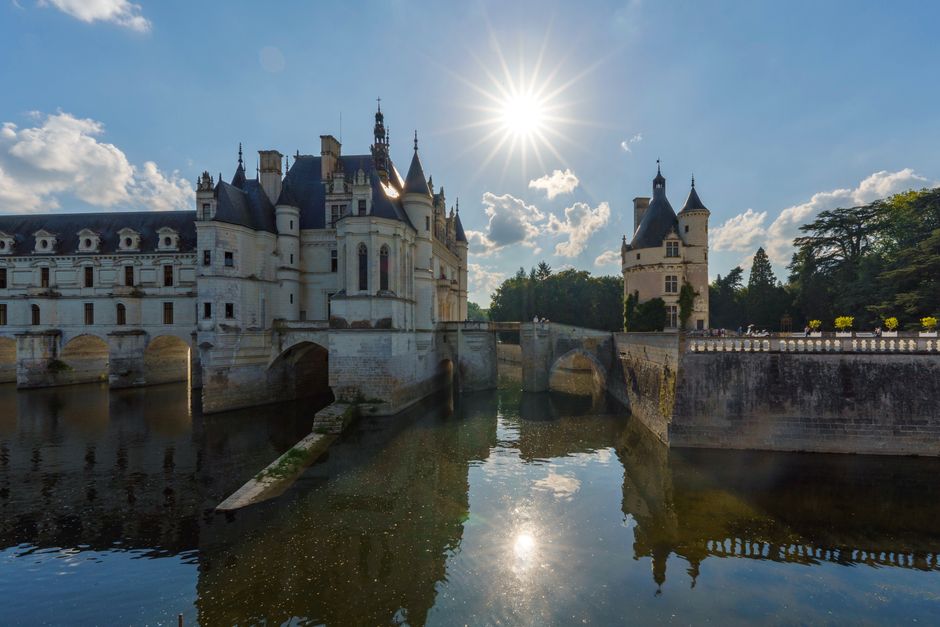
Chenonceau crosses the River Cher and combines elegant rooms with a strong garden layout. Its scale feels more manageable than Chambord, but narrow rooms can become crowded. Arriving early makes the interior much easier to read.
Villandry is about gardens
Villandry earns its place through geometry, planting and long views rather than royal spectacle. It works best on a dry afternoon when the gardens become the main event. This contrast explains why a good itinerary mixes different kinds of château instead of collecting several similar interiors.
Read each site on its own terms. That approach creates a richer trip and prevents the common complaint that every castle starts to look the same.
Which Loire Valley itinerary fits your trip?
The right plan depends less on how many châteaux can fit on a map and more on the pace that will still feel enjoyable on day four. Use the comparison below to choose a clear route.
Fast highlights route
Choose Blois, Chambord, Amboise and Chenonceau over three days. This suits a short break, but it leaves little room for weather changes, long lunches or unplanned village stops.
Balanced first-trip route
Choose four days with two bases: Blois for Chambord and Cheverny, then Amboise for Chenonceau and the central valley. This is the strongest option for most first-time visitors because it combines major landmarks with manageable driving.
Slow gardens and villages route
Choose five or six days and add Chaumont-sur-Loire, Villandry, Azay-le-Rideau or a western base near Saumur. This route sacrifices a few headline interiors for gardens, food, river scenery and quieter roads.
| Trip length | Best focus | Recommended pace |
|---|---|---|
| Three days | Chambord, Amboise and Chenonceau | One major château each day |
| Four days | Major castles plus Cheverny or Chaumont | Two bases and one flexible afternoon |
| Five to six days | Gardens, villages and western Loire | One main visit with generous stops |
Final verdict: the four-day balanced route is the best starting point. It gives the Loire Valley enough time to feel like a landscape rather than a checklist, while keeping the most famous châteaux within a practical driving loop.