A map can make the Scottish Highlands look compact. A narrow road, a sudden weather change, a photo stop beside a loch and a slower-than-expected climb can turn a short drive into a full afternoon. The strongest Highlands road trip plan leaves room for those interruptions while still reaching the main landscapes.
How to plan a Scottish Highlands road trip route
Build the route around driving time, not map distance
The Highlands reward a slower rhythm. A route covering 120 miles may need four hours of driving once single-track roads, passing places, sheep, cyclists and viewpoints are included. Plan one major base or destination per day, then add nearby stops that can be skipped if the weather closes in. A seven-day circuit works well when it begins and ends near Inverness, with the first days focused on the west and the final days moving through the central Highlands.
Keep the longest transfer in the middle of the trip rather than on arrival day. That gives the driver time to adjust to left-side driving and unfamiliar road layouts before facing remote sections.
Choose the landscape before choosing the overnight stops
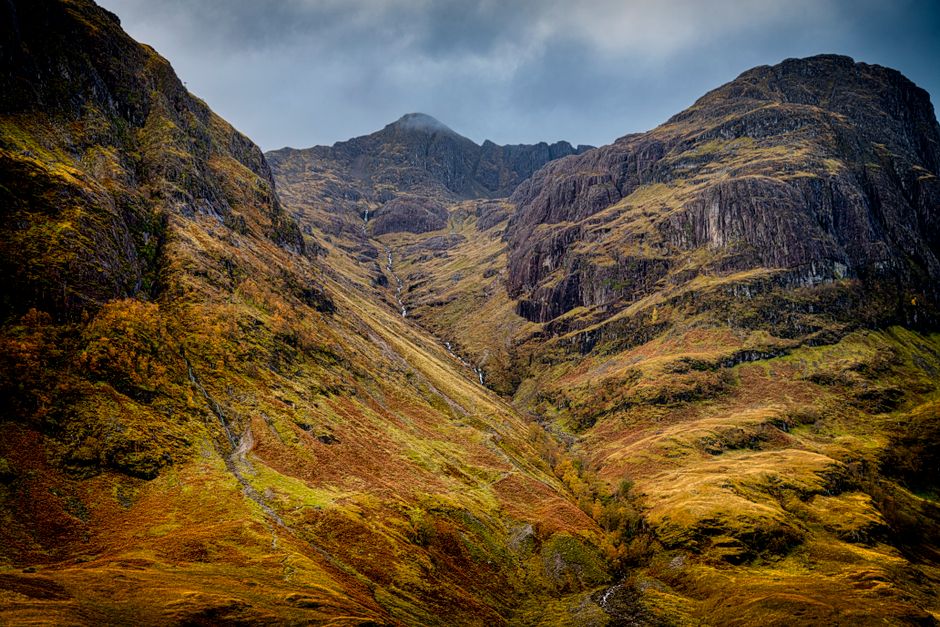
Decide which experience matters most: sea cliffs and island scenery, glens and mountain passes, castles and lochs, or quiet forest roads. The Isle of Skye, Glen Coe, the North Coast and Cairngorms each need a different pace. Trying to include all of them with a new overnight stop every night creates a checklist trip with little time to walk, eat locally or wait for better light.
Best planning rule: reserve two nights in at least one location. Skye suits a two-night stay, while Aviemore or Fort William can also work as a base for shorter day drives.
A realistic seven-day Highlands itinerary
The route at a glance
This route balances famous scenery with manageable transfers. Distances are estimates, not promises; roadworks, weather and seasonal traffic can change the timing.
| Day | Route | Approximate drive | Main focus |
|---|---|---|---|
| 1 | Inverness to Loch Ness and Fort William | 105 miles | Lochs, mountain views and Glen Nevis |
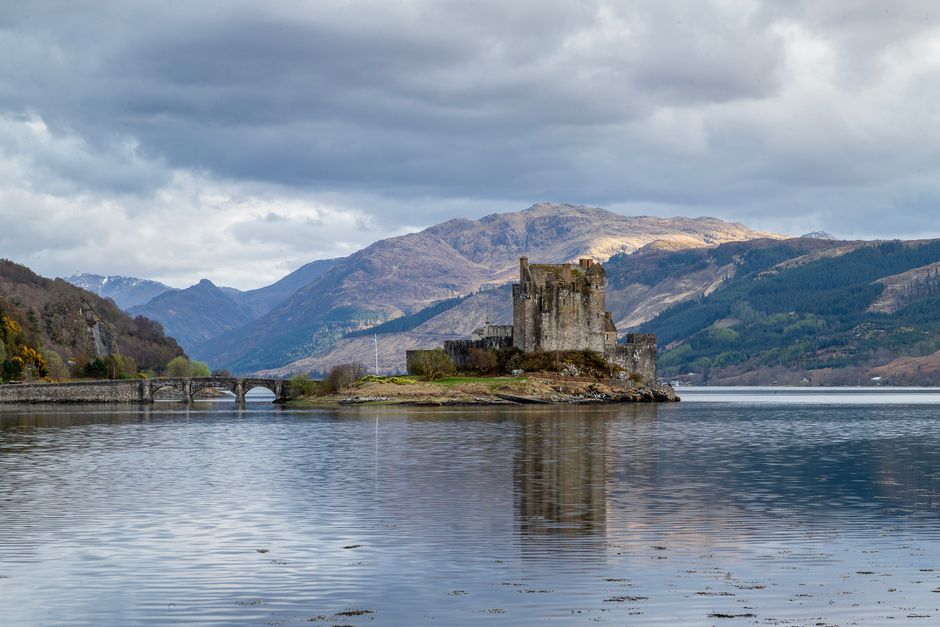
| 2 | Fort William to Glen Coe and the Isle of Skye | 125 miles | Glen Coe, Eilean Donan area and coastal scenery |
| 3 | Isle of Skye loop | 60 to 90 miles | Peninsulas, cliffs and short walks |
| 4 | Skye to Ullapool | 145 miles | Remote roads, sea lochs and open landscapes |
| 5 | Ullapool to Durness or Tongue | 85 to 120 miles | North coast beaches and rugged headlands |
| 6 | North coast to Inverness | 145 to 175 miles | Waterfalls, empty glens and central Highland roads |
| 7 | Inverness and nearby sites | 20 to 60 miles | Local history, short walks and departure buffer |
How to shorten the route
If the schedule feels tight, remove the north coast rather than rushing across it. Spend an extra night on Skye or in Glen Coe, then return to Inverness through the Great Glen. This version cuts long transfers and gives more time for walks. The north coast deserves its own trip when beaches, remote villages and long daylight photography are the main goal.
What driving in the Highlands is really like
Single-track roads require a different set of habits
Single-track roads are not narrow two-way roads with no rules. They are built around marked passing places, and the nearest space may sit behind the vehicle rather than ahead of it. When an approaching car appears, the driver with the clearer passing place should move into it early. Never stop in a passing place after the other vehicle has gone through; another car may be close behind. Large vehicles need extra room, and a line of cars behind is a signal to pull over safely when a suitable space appears.
Hill crests and blind bends deserve a slow approach because sheep, cyclists and oncoming vehicles can appear without warning. Satnav arrival times often look optimistic on these roads.
Weather changes the route
Rain can arrive sideways, low cloud can hide a mountain view within minutes, and strong wind can make an exposed coastal walk unpleasant. Pack waterproof layers even during summer and keep a dry change of clothes in the vehicle. A wet morning does not ruin the day, but it should change the plan: choose a forest walk, museum, castle interior or short viewpoint stop instead of committing to a long ridge path.
Clear recommendation: treat the vehicle as a way to reach walks and landscapes, not as the main attraction. Two hours outside the car often creates better memories than another 50 miles of rushed scenery.
Highlands road trip mistakes that cause the most trouble
Five problems to prevent before departure
- Overloading the itinerary: Four distant attractions in one day leave no room for weather, queues or walks. Set one main target and two optional stops.
- Ignoring fuel gaps: Remote areas have fewer open services, especially late in the day. Refuel when the tank reaches roughly half full and check opening times before leaving a large town.
- Arriving without a room: Small villages have limited accommodation, and peak summer dates fill early. Book every night in advance when travelling in July, August or during school holidays.
- Blocking passing places: These spaces are for traffic, not picnics or photography. Park only in signed areas or wide lay-bys.
- Underestimating walking conditions: A path marked short can still be muddy, steep or exposed. Allow time for boots, weather checks and a slower return.
When to change the plan
Change direction when a road warning, ferry disruption or severe weather alert affects the route. A flexible plan is not a failed plan. The best backup is a nearby base with several short walks, indoor sights and reliable food options. Do not force a mountain viewpoint when cloud has removed the view or a coastal road feels unsafe. The Highlands will still be there after one missed stop.
Which Highlands route suits the trip?
Match the route to the available time
The right route depends less on ambition than on the number of full days available.
| Available time | Recommended route | Main trade-off |
|---|---|---|
| 3 days | Inverness, Loch Ness and Cairngorms | No west-coast or island focus |
| 5 days | Inverness, Glen Coe, Fort William and Skye | Limited time for remote northern roads |
| 7 days | Inverness, Skye, Ullapool and the north coast | Several long driving days |
Choose the quieter alternative when crowds matter
Skye is the strongest choice for dramatic coastal scenery, but it is also one of the busiest Highland areas. For a quieter trip, spend more time around Torridon, Assynt or the Cairngorms and choose short walks away from the main viewpoints. The trade-off is less concentrated sightseeing and a greater need to plan food, fuel and accommodation. For travellers who value space over famous landmarks, the quieter route is the better choice.
Questions to answer before setting off
Is a car essential for the Scottish Highlands?
A car gives access to remote glens, trailheads and villages that public transport does not connect efficiently. It is most useful for a multi-day route with several bases. A train-and-bus trip can be better for travellers who dislike narrow roads or want to focus on Inverness, Fort William and a small number of towns. Renting a car is not automatically the right answer for a short city-based visit.
What is the best season for a Highlands road trip?
Late spring and early autumn often provide a good balance of daylight, scenery and manageable traffic. Summer offers long evenings but brings fuller roads, more booked accommodation and more insects near still water. Autumn adds strong colour and quieter paths, while winter can bring short daylight, ice and sudden closures. The best season is the one that matches the planned walking and driving style.
How many hours should be spent driving each day?
Plan for three to five hours of actual driving on a sightseeing day. More than six hours leaves little energy for walks and makes delays stressful. Set out early for long transfers, keep the final arrival before dark when possible, and leave one spare half-day in the schedule. For most travellers, a seven-day plan with two nights on Skye and one flexible day near Inverness offers the strongest balance. It protects time for weather changes while still covering the west coast, mountain glens and northern scenery.