How can three days in Tallinn cover the medieval sights without turning into a tiring march between crowded squares? The answer is to split the Old Town by height, timing and mood. The lower town works best for a first walk, Toompea deserves a slower half-day, and the final day should leave room for overlooked lanes, local meals and a short escape beyond the stone walls.
What can fit into a long weekend in Tallinn Old Town?
Tallinn’s historic centre is compact, but compact does not mean simple. Steep streets, cobbles, church towers and viewpoints create a more demanding route than a map suggests. A good itinerary groups nearby sights together and protects the middle of each day from rushed climbing.
The three-day shape
| Day | Main area | Best walking window | What it covers |
|---|---|---|---|
| Day one | Lower Town | Morning and early evening | Town Hall Square, old merchants’ streets, city walls and the main medieval lanes |
| Day two | Toompea | Morning through mid-afternoon | Viewpoints, cathedral hill, defensive history and the quieter upper streets |
| Day three | Edges and overlooked corners | Flexible daytime route | St Olaf’s Church area, harbour-side views, markets or a nearby district beyond the walls |
Where to trim the plan
Do not treat every tower, church and museum as compulsory. Choose one major interior visit each day, then let the streets connect the rest. If rain arrives, keep the lower town route short and move indoors; if the weather is clear, give more time to Toompea’s viewpoints. The strongest version of this weekend is not the one with the longest checklist. It is the one that leaves enough energy for the city after the main sights are finished.
How should the Old Town be split across three days?
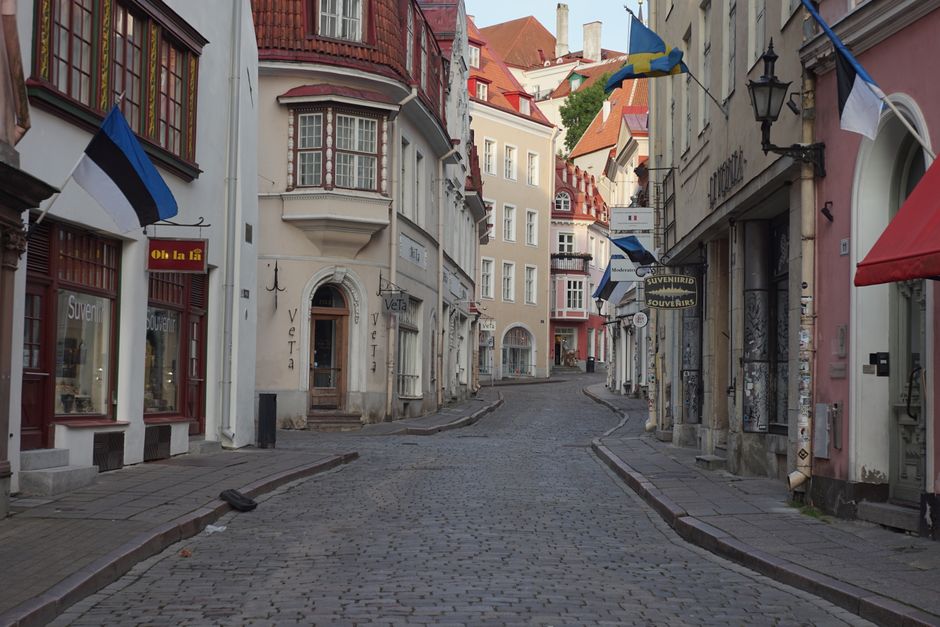
The practical method is simple: start low, climb once, then explore by contrast. That order reduces backtracking and gives each day a different feel.
Day one: establish the medieval core
- Begin at Town Hall Square before the busiest part of the day. Walk through the narrow merchant streets toward St Nicholas Church, then follow the lanes that still show the old division between trading houses, guild buildings and defensive walls.
- After lunch, choose one interior sight rather than stacking several. Leave time for a slow circuit along the surviving wall sections, where the scale of the old settlement becomes easier to understand than it does from a postcard viewpoint.
- Return to the lower town in the early evening. The stone façades take on warmer light, and the streets feel less like a sightseeing route when day visitors have started to leave.
Day two: climb to Toompea once
- Go uphill in the morning, when the approach is cooler and the viewpoints are easier to enjoy. See the Alexander Nevsky Cathedral from outside, then compare the open space around Toompea Castle with the tighter lanes below.
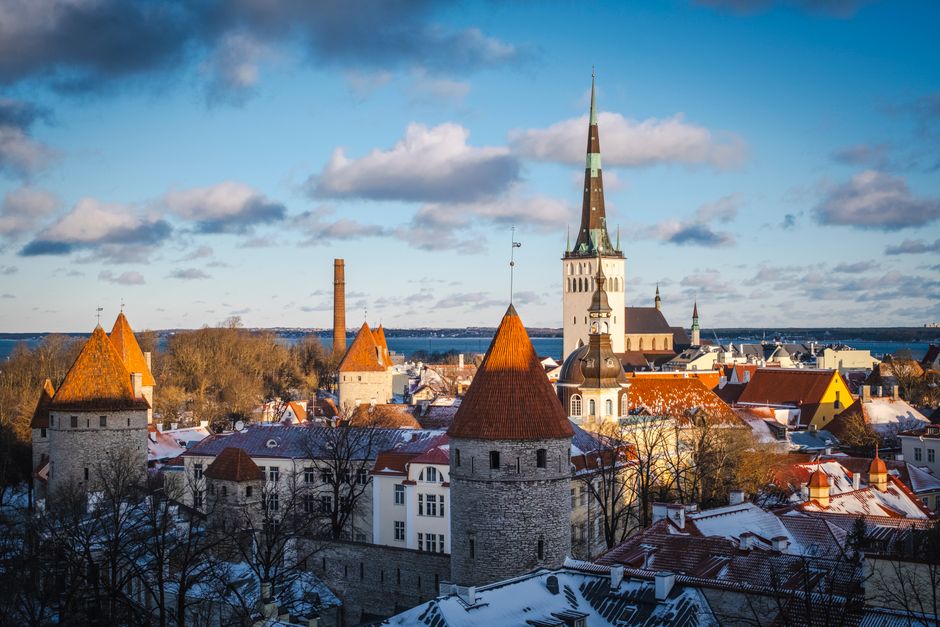
- Walk between Kohtuotsa and Patkuli viewpoints instead of treating them as identical stops. Their angles differ, and the second view makes more sense after the first has revealed the red roofs, church towers and harbour beyond the walls.
- Use the afternoon for Kiek in de Kök and the nearby bastion passages if history is the priority, or descend early if the hill has already supplied enough architecture for one day.
Day three: follow the edges
- Explore the St Olaf’s Church area and the northern edge of the Old Town, where the streets feel less polished and the relationship between the medieval centre and the modern city becomes clearer.
- Choose one detour beyond the walls: the harbour for open air and changing views, a market area for everyday life, or a nearby neighbourhood for cafés and wooden architecture.
- Keep the final evening unplanned. A short return to a favourite square often works better than adding another distant attraction to the schedule.
Why early morning is the best time to walk Tallinn Old Town
Start early and protect the first two hours of each day.
Why the first walk matters
Early morning gives the Old Town its clearest shape: delivery vans have mostly moved on, the main square is easier to photograph, church façades are not hidden behind tour groups, and the steep streets can be climbed before tired legs turn every viewpoint into a chore; this is also the best time to notice practical details such as uneven paving, narrow doorways and the difference between a route that looks short on a map and one that feels slow on foot.
When late afternoon is better
Late afternoon wins for atmosphere rather than orientation, especially on the lower streets around Town Hall Square and the wall walks, because softer light makes the limestone and painted façades more expressive while the largest groups begin to thin out; the clear recommendation is to use mornings for navigation and major sights, afternoons for one focused visit or a rest, and evenings for the streets that are most enjoyable when the Old Town no longer feels like a queue.
What should be planned, and what should stay spontaneous?
A long weekend needs a few fixed points, not a timetable packed from breakfast to bedtime.
Do the main sights need advance planning?
Plan any tower climb, guided underground visit or popular interior around the opening information published shortly before the trip. Hours can change by season, during religious services or for private events.
Which parts can stay flexible?
Keep meals, small courtyards, side streets and the final evening open. Tallinn rewards unplanned turns because the most memorable details are often doorways, stairways, small passages and changing views between buildings. A flexible block also protects the itinerary when rain makes the cobbles slippery or a viewpoint is hidden by low cloud.
Is a guide necessary for the Old Town?
No guide is required to enjoy the basic route, but context adds real value to the walls, guild houses and defensive tunnels. A short guided walk is most useful at the start of the first day, when it explains the city’s layout and helps separate authentic medieval structure from later restoration. After that, independent walking usually gives more freedom and better pacing.
What mistakes ruin a Tallinn Old Town weekend?
The Old Town is forgiving when the plan has room to breathe. It becomes frustrating when every hour is treated as a booking.
Mistakes to avoid
- Trying to see everything inside the walls: Tallinn’s centre is small enough to cross quickly but rich enough to reward repeated walks. Three major interiors in one day usually produce less understanding, not more.
- Ignoring the hills and cobbles: Comfortable footwear matters more here than a polished outfit. The route between the lower town and Toompea includes slopes, steps and uneven paving that become harder after rain.
- Arriving at the main square at midday: Town Hall Square is still worth seeing, but early morning or early evening offers a calmer view and a better sense of its scale.
- Assuming every courtyard is open: Some passages lead through private or seasonal spaces. Treat closed gates as part of the city’s boundaries, not as an invitation to search for another entrance.
- Leaving no weather plan: Wind can make viewpoints uncomfortable, and rain changes the pace of every stone street. Keep one museum, church or underground visit available as a shelter option.
When to leave the medieval centre
Leave the walls when the Old Town starts repeating itself. A short visit to the harbour, a market or a nearby residential district adds modern Tallinn to the picture and prevents the weekend from becoming five versions of the same church tower. For the best balance, spend the first two days on the historic core, then use the third day for the Old Town’s edges and one carefully chosen detour. That is the clearest recommendation: stay near the centre, walk it in timed layers, and reserve the final day for whatever the weather and energy make most appealing.