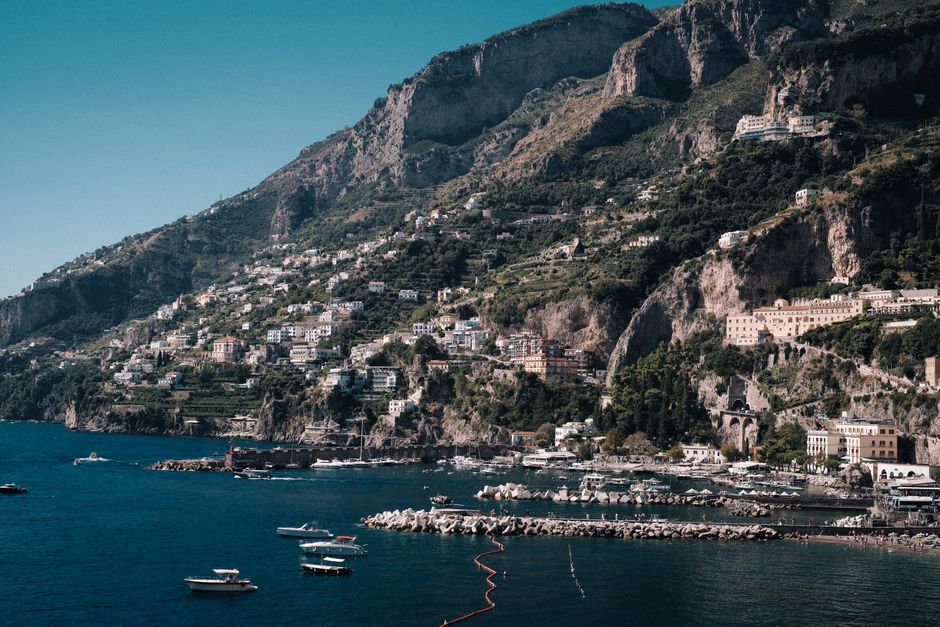
A 20-kilometre coastal transfer can take longer than a 100-kilometre motorway journey. That is the first surprise for travelers arriving on the Amalfi Coast. The narrow coastal road, steep cliffs, crowded buses, and limited parking can turn a simple drive into the hardest part of the trip. A car-free visit works better when the route follows the geography instead of fighting it.
Is the Amalfi Coast Possible Without a Car?
The road is the problem, not the destination
Yes, the Amalfi Coast is practical without a car, especially for travelers who plan around ferries, local buses, regional trains, and short walks. The main towns sit along one winding road, but they do not connect in a straight, fast line. A place that looks close to the next village may require a slow road journey, a crowded bus, or a transfer through another town.
Driving also creates hidden work. Parking spaces are scarce in the busiest towns, roads are narrow, and stopping for a viewpoint can block traffic. A rental car gives freedom on quiet inland roads, but that freedom has little value when the coast is congested.
What a successful car-free trip needs
A successful trip needs two decisions before arrival: choose a sensible base and group nearby sights together. The most reliable plan uses a coastal town for walks and ferries, then adds inland viewpoints or historic sites on separate days. A car-free plan should also leave room for delays. A bus may arrive full, a ferry may change because of rough seas, and a steep walk may take longer than the map suggests.
The clearest verdict is simple: the Amalfi Coast without a car is easier, calmer, and often more flexible when the itinerary includes fewer bases and more time in each place.
Which Transport Works Best Along the Coast?
Compare each option by route, not by habit
No single transport method covers every journey well. The right choice changes with distance, weather, luggage, and the position of each town. Use buses for inland connections and ferries for scenic coastal travel during the operating season. Walking works for short town-to-town routes, but the hills make distance deceptive.
| Transport | Best use | Planning advice |
|---|---|---|
| Regional train | Reaching Sorrento or Salerno from larger rail hubs | Use it for the approach or departure, not every coastal stop |
| Local bus | Ravello, inland villages, and routes above the coast | Arrive early and avoid planning a tight connection |
| Ferry | Positano, Amalfi, and other coastal towns in suitable weather | Check the same-day timetable before leaving |
| Walking | Town centers, viewpoints, and short scenic sections | Carry water and use shoes with firm grip |
The strongest combination
For most visitors, the strongest combination is a train for the long approach, ferries for major coastal hops, and buses for uphill destinations. This reduces time spent on the most crowded road sections while preserving access to places that boats cannot reach.
Ferries also provide a useful visual check on the coast. From the water, travelers can understand the cliffs, beaches, and settlement pattern before tackling the streets above. The tradeoff is reliability: a ferry should never be the only plan for an important departure connection.
How to Build a Five-Day Car-Free Itinerary
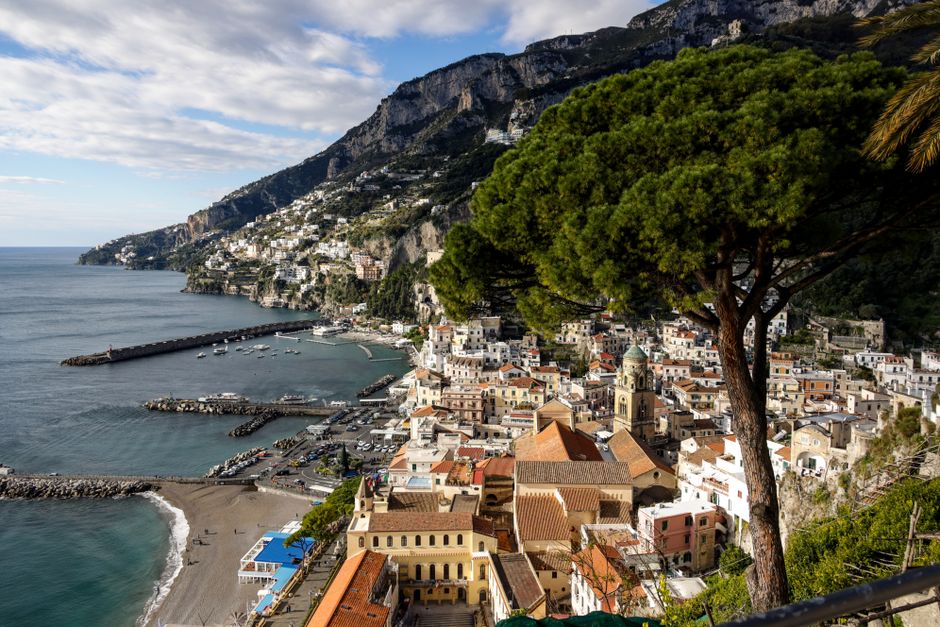
Start with one base and one flexible day
A five-day route should not treat every town as a separate overnight stop. Moving bags each day wastes time, especially when accommodation sits above the main road. A one-base itinerary near a ferry pier or major bus stop is the simplest choice for a first visit. Travelers who want two different views can divide the stay between a coastal town and Sorrento or Salerno.
- Day 1: Arrive by train or airport transfer, settle into the base, and explore the local waterfront and central lanes. Keep the first afternoon light.
- Day 2: Take a ferry or direct coastal connection to Positano. Visit early, walk the central streets, and return before the final evening departures become crowded.
- Day 3: Visit Amalfi and add a short walk toward Atrani. This pairing keeps the day focused on nearby coastal settlements rather than repeated long transfers.
- Day 4: Travel uphill to Ravello by bus. Allow time for viewpoints, gardens, and the return journey. Build in a buffer for traffic.
- Day 5: Keep the final day local or use a short coastal trip. Avoid a remote hike or a complex connection before an international departure.
Why this route works
The route alternates active sightseeing with simpler transfers. It also separates the main coastal towns from the highland visit, which prevents one delayed bus from disrupting the entire day.
How to adjust the pace
For a slower trip, remove one town rather than adding an extra transfer. For a walking-focused trip, replace the inland day with a marked trail, but check trail conditions locally because storms, rockfall, or maintenance can close sections without much warning.
What Should Be Checked Before Each Travel Day?
Are ferries dependable enough for the whole route?
Ferries are excellent for sightseeing and often avoid the worst road traffic, but they are not guaranteed. Wind and rough water can cancel a sailing or reduce service. Check the operator’s same-day notice, keep a bus route in reserve, and avoid scheduling a ferry immediately before a flight or long-distance train.
How early should travelers reach a bus stop?
Arrive at least one departure ahead during busy months, especially for uphill routes. A bus may reach the stop already full, and the next one may arrive after a long wait. Stops can be easy to miss, so confirm the direction and destination before boarding. Carry a screenshot of the route and the name of the intended stop.
Are the famous walking paths suitable for everyone?
Not automatically. Some paths combine steep steps, uneven stone, heat, and exposed edges. A route described as short may still take several hours because of climbs and pauses. Travelers with limited mobility should choose towns with flatter central areas, use boats where possible, and ask locally about current access conditions. Walking time matters more than map distance on this coast.
Where Should a Car-Free Traveler Stay?
The best base is the place that reduces transfers, not the place with the most famous view. A dramatic hillside location may look perfect in photographs but create a daily climb to the bus stop or ferry pier. For a first visit, a base near a transport interchange gives more useful freedom than an isolated room reached by many steps.
Choose a coastal base for easy sightseeing
A coastal base suits travelers who want boat trips, waterfront evenings, and short journeys between the main towns. It works especially well when the visit focuses on Positano, Amalfi, and nearby walks. The drawback is crowding during the middle of the day, when day visitors fill the narrow streets and transport queues.
Choose an inland or gateway base for easier logistics
A gateway base near a rail connection can simplify arrival and departure, provide more route choices, and make weather-related changes easier. The coast then becomes a day-trip area rather than the place to sleep every night. This option gives up some evening atmosphere but often reduces luggage handling and missed connections.
For a five-day first visit, a single base is the clear choice unless the arrival and departure points are far apart. Two bases make sense only when the transfer itself is short, direct, and planned outside the busiest part of the day.
What Mistakes Make a Car-Free Trip Harder?
Common planning errors
- Booking accommodation far above town without checking the walk to the nearest bus stop.
- Planning three coastal towns in one day and leaving no margin for queues or delays.
- Relying on a ferry for an airport connection without a road-based backup.
- Carrying large luggage through steep lanes, stairs, and crowded platforms.
- Starting a long exposed walk at midday during the hottest part of the season.
- Assuming that a map route is open without checking current trail or road conditions.
When a different plan is wiser
In those cases, a private transfer for selected days can solve the hardest connections without committing to a full rental. Travelers who choose a car should still avoid driving into the busiest coastal centers and use park-and-ride or gateway towns where possible.
The single most important takeaway is this: plan the Amalfi Coast around transport limits, keep one flexible day, and let fewer places create a better trip.