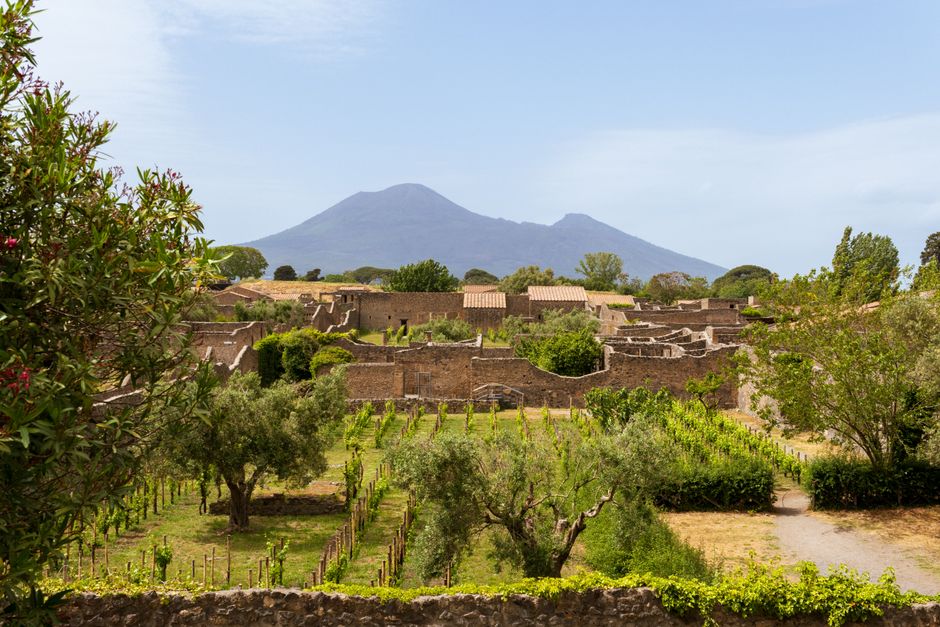
The problem usually appears on the first evening: the Naples accommodation sits near the historic centre, Pompeii looks close on the map, and the next flight leaves in less than forty-eight hours. Trying to see both places can feel like a race between crowded streets, train platforms and ancient ruins. A careful plan makes the trip work. Naples needs flexible wandering, while Pompeii needs an early start and several hours on foot.
Can Naples and Pompeii Fit Into Two Days?
Yes, but only when the two days have different jobs. Give the first day to Naples itself and use the second for Pompeii. This approach protects the trip from the most common mistake: treating Naples as a quick overnight stop before a rushed archaeological visit.
The sensible split
Spend the first morning and afternoon around the historic centre, then use the evening for a slower meal and a short walk. On day two, travel to Pompeii soon after breakfast, explore the ruins before the strongest midday heat, and return to Naples with enough time for dinner or a final viewpoint.
What must be left out
Mount Vesuvius, the Amalfi Coast, Herculaneum and every major Naples museum do not fit comfortably into this plan. Adding all four creates long transfers and shallow visits. For a first trip, Pompeii deserves the full archaeological day. Vesuvius works better as a substitute, not an extra stop, if the volcanic landscape matters more than Roman streets.
The clear verdict is simple: two days are enough for a strong first look, but not enough for every attraction around the Bay of Naples.
Day One: How to See Naples Without Rushing
Start in the old centre, where several major sights sit close enough to connect on foot. The route below follows a practical order rather than a strict sightseeing checklist.
- Morning: Spaccanapoli and the historic centre. Begin near Piazza Dante or another central point and walk toward Spaccanapoli. The narrow streets pass churches, small workshops, courtyards and busy cafés. Allow time for detours. Naples rewards attention at street level more than speed.
- Late morning: Sansevero Chapel or a nearby church. Choose one major interior rather than queuing for several. Reserve an entry slot when required, since small venues can fill quickly even outside peak summer.
- Lunch: stay in the centre. A long restaurant meal can easily take more than an hour, so keep the afternoon route compact. Local specialities such as ragù, fried snacks and simple pastries offer a better sense of place than a rushed search for a famous address.
- Afternoon: the archaeological museum. The Naples National Archaeological Museum gives essential context for Pompeii. Its Roman mosaics, sculptures and household objects help the ruins feel less abstract the next day. If museums are not a priority, replace this stop with a walk through the Spanish Quarter.
- Sunset: choose one viewpoint. Walk toward the seafront, climb to a hilltop neighbourhood, or pause at a terrace with a view of the bay. Do not attempt both. The final hour should slow the day down.
A useful walking rule
Keep the morning dense and the afternoon flexible. Naples has uneven pavements, sudden crowds and streets that look short on a map but take longer to cross. Comfortable shoes matter more than an ambitious list of stops.
How to Reach Pompeii From Naples
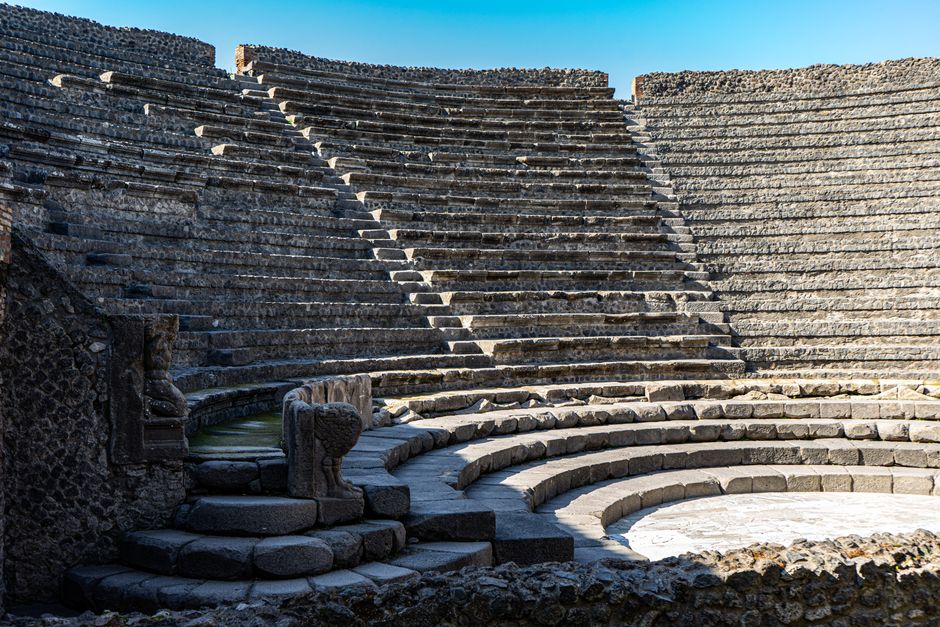
The simplest route uses the regional rail network that connects Naples with the Pompeii area. Travel time varies by departure point and service, so check the same-day timetable at the station or through the official transport operator. Allow extra time for finding the correct platform and for a slower return after a hot day outside.
Choosing the departure point
Many visitors leave from Napoli Piazza Garibaldi, the main railway area beneath Naples Central Station. Other services may depart from nearby stations or use different lines. The key detail is the destination: several stations carry Pompeii-related names, but they do not all place visitors at the same entrance. Confirm the station closest to the archaeological park before boarding.
Why an early train matters
Pompeii has little shade, and the broad streets reflect heat after late morning. An early departure gives more comfortable walking conditions and leaves time for delays. It also helps with the entrance process, cloakroom arrangements and route planning inside the site. Carry water, sun protection and a small bag that meets current entry rules.
When a different plan works better
A guided transfer can reduce navigation stress, but it limits independence and may compress the visit around a group schedule. An organised day combining Pompeii with Vesuvius sounds efficient, yet it usually leaves too little time for the ruins.
The practical verdict: use public transport for Pompeii, leave early, and treat the return journey as part of the schedule rather than an afterthought.
Day Two: A Pompeii Itinerary That Leaves Room to Breathe
Pompeii is too large for a casual hour-long visit. A route with clear priorities prevents decision fatigue and leaves space for unexpected discoveries.
| Time | Plan | Reason |
|---|---|---|
| Early morning | Travel from Naples and enter near opening time | Cooler conditions and smaller early crowds |
| First two hours | Follow the main street network toward the forum | Orient yourself before exploring side streets |
| Late morning | Visit houses, bakeries, baths and public buildings | Shows how ordinary Roman life worked |
| Midday | Take a shaded break outside the busiest route | Protects energy for the afternoon |
| Afternoon | Choose a smaller group of villas or theatres | Depth is better than checking every point |
| Late afternoon | Return to the station and travel back to Naples | Leaves room for delays and dinner |
What deserves priority
Start with the forum, major public buildings and a few well-preserved houses. The volcanic disaster matters, but Pompeii makes more sense when viewed as a functioning town first.
How to handle the scale
Do not chase every reopened or closed building. Archaeological access changes, paths can close, and maps may not match the day’s route. Choose three themes such as food, religion and domestic life, then follow them across the site. This creates a stronger memory than a long list of names.
A full morning and part of the afternoon is the right target. Leave before exhaustion turns the final streets into background noise.
What to Eat and How to Read Naples
The best food strategy is to eat simply, locally and at different times of day. Naples is not a city that rewards saving every meal for a famous restaurant. The historic centre offers quick foods, bakeries, seafood dishes and long lunches, but the quality of the experience depends on slowing down enough to notice the setting.
Build meals around the city
Use breakfast for coffee and a pastry, lunch for a filling local dish, and the evening for a longer meal near the area already being explored. Fried street food suits a walking day, while a sit-down meal makes more sense after returning from Pompeii. Avoid crossing the entire city for one recommendation. Traffic, hills and crowded pavements can turn a short meal into a two-hour detour.
Read the city beyond its landmarks
Naples can feel loud, untidy and intensely social. That character is part of the experience, but visitors should keep phones and bags secure in crowded areas, especially around transport hubs. Follow local crossings carefully, watch for scooters, and avoid blocking narrow doorways while taking photographs.
The strongest cultural contrast comes from pairing the archaeological museum with ordinary streets. Roman objects show how the region lived long ago; markets, cafés and family-run businesses show how Naples still uses public space today.
Choose the central neighbourhood for atmosphere, the seafront for an easier evening walk, or a hilltop area for views. No single district gives the complete Naples experience, so the best choice depends on the day’s route rather than a universal ranking.
What Can Go Wrong on a Naples and Pompeii Trip?
Is Pompeii closed or partly restricted?
Access to individual buildings can change because of conservation work, weather or crowd control. Do not build the entire visit around one house or fresco. Check official opening information close to the travel date and keep a second route in mind.
What if the train is delayed?
A late departure can remove the most comfortable walking hours. If the delay becomes serious, shorten the route instead of racing through every section. The forum, a few houses and public buildings offer a satisfying visit without covering the whole park.
Should the trip include Mount Vesuvius?
Only add Vesuvius if Pompeii is not the main priority. The combination requires additional transport, weather cooperation and physical energy. Visitors who want volcanic scenery can replace part of Pompeii with Vesuvius, but adding it after a full archaeological morning usually creates a tiring day.
What should visitors avoid?
- Arriving at Pompeii after the hottest part of the day.
- Wearing smooth-soled shoes on uneven ancient paving.
- Carrying more food and luggage than necessary.
- Assuming every station, entrance and transport line leads to the same place.
- Planning a major museum, Pompeii and Vesuvius on one day.
The main failure mode is overpacking the schedule. Naples and Pompeii both need attention, and neither improves when treated as a collection of quick photographs.