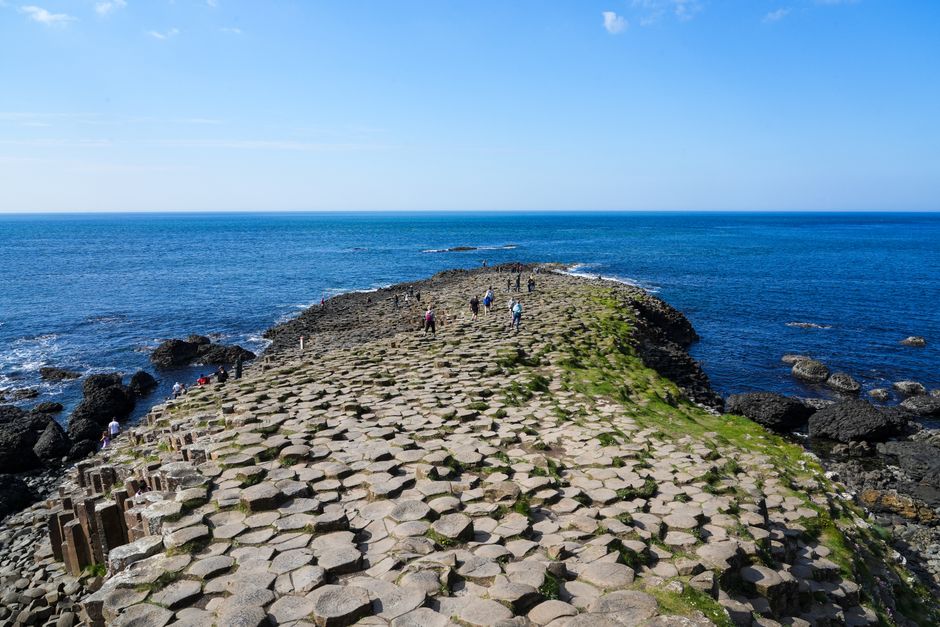
The Giant’s Causeway contains roughly 40,000 interlocking basalt columns, yet many visitors spend less than an hour there before rushing to the next stop. The usual problem is not a lack of sights. It is a poor route, a late start and a plan that treats the Causeway Coast as one compact attraction.
A better trip allows time for cliff paths, changing weather, narrow roads, tide-sensitive beaches and the small harbours between the famous landmarks. The following guide sets out a practical Causeway Coast itinerary, explains where to base a stay and shows which stops deserve priority when the forecast turns wet.
How many days are needed for the Causeway Coast?
A full day can cover the Giant’s Causeway and one nearby castle, but it cannot give the coastline proper attention. Two days suit a first visit. Three days work better for travelers who want longer walks, quiet beaches or a slower drive from Belfast toward Derry.
Choose two nights for a balanced first visit
A two-night stay creates one useful advantage: the coast does not have to be squeezed into a single long loop. The first day can focus on the eastern section around Carrick-a-Rede, Ballintoy and the Giant’s Causeway. The second can move west through Dunluce Castle, Portrush, Downhill and Mussenden Temple.
That split also creates room for poor weather. If heavy rain arrives during the morning, indoor time, a long lunch or a scenic drive can replace a cliff walk without destroying the whole schedule. A single-day visit has no such margin. One delayed departure can remove half the route.
The route is longer than the map suggests
The Causeway Coastal Route covers a large stretch of Northern Ireland, while the main visitor sites sit at different points along winding coastal roads. A short distance on a map may take much longer than expected when traffic, farm vehicles, photo stops and narrow lanes are included.
The clearest plan is to group stops from east to west instead of zigzagging between towns. Keep the busiest landmark for an early or late visit, place beaches around the tide, and leave at least one unplanned hour each day. That extra time is not wasted. It absorbs parking delays, sudden showers and the view that deserves a longer pause.
A practical two-day Causeway Coast itinerary
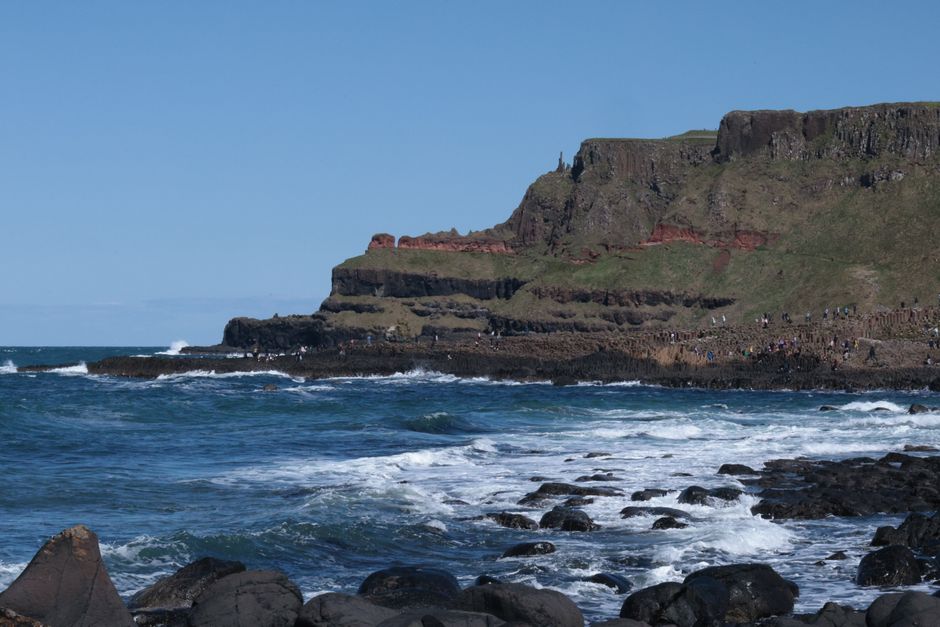
This schedule works best with an early start and a rental car. Public transport can reach several towns, but the smaller viewpoints and beaches are much harder to connect in one day. Times are flexible rather than fixed appointments; daylight, weather and site access should shape the final order.
Day one: cliffs, harbours and the Giant’s Causeway
| Time | Stop | Suggested time | Purpose |
|---|---|---|---|
| 08:30 | Carrick-a-Rede area | 1.5 to 2 hours | Clifftop views and the rope bridge area |
| 11:00 | Ballintoy Harbour | 45 minutes | Rocky shoreline and a short harbour walk |
| 12:15 | Whitepark Bay | 45 to 60 minutes | Beach views and a weather-dependent walk |
| 14:00 | Local lunch stop | 60 minutes | Allow time for a proper break |
| 15:30 | Giant’s Causeway | 2 to 3 hours | Basalt columns, cliff path and visitor facilities |
The Giant’s Causeway should not be treated as a quick photo stop. The columns sit below the visitor centre, and the walk down and back takes time even before exploring the shoreline. Wear shoes with firm grip because the rocks become slippery after rain.
Day two: castles, surf and the western cliffs
Begin at Dunluce Castle before continuing to Portrush for a coastal walk or coffee break. The ruined castle sits dramatically above the sea, but its exposed position means strong wind can make the visit feel brief.
Continue west to Downhill Beach and Mussenden Temple if conditions remain comfortable. The temple stands above the cliffs near the beach, and the surrounding grounds provide one of the strongest landscape views on the route. Leave enough daylight for the return journey. The western section rewards patience, but it becomes less enjoyable when rushed in poor visibility.
Portrush is the best base for most first visits
For a first Causeway Coast trip, Portrush is the strongest base. It has more evening food choices, useful walking routes and a central position between the eastern landmarks and the western cliffs. Bushmills is the better choice for travelers who want a quieter village atmosphere and a shorter morning drive to the Giant’s Causeway.
Why Portrush wins
Portrush gives a short escape route when the weather collapses. A traveler can replace a cliff walk with a town walk, beach viewpoint or sheltered meal without losing the entire afternoon. The town also makes an early departure toward Dunluce Castle or the Giant’s Causeway simple.
Its beaches are exposed, so they are not always suitable for a relaxed swim. They are excellent for a brisk walk, sea views and dramatic skies. That distinction matters. A coastline can be beautiful without being comfortable for every activity.
When Bushmills makes more sense
Bushmills suits travelers who want the most direct access to the central landmarks and prefer a smaller evening setting. It is a weaker base for exploring the western coast in depth, especially when Mussenden Temple and Downhill Beach are priorities.
Accommodation location matters more than a minor difference in driving time. The best base is the one that makes early starts easy and reduces late-night driving on unfamiliar roads. For most first-time visitors, Portrush offers the better overall balance.
What to pack for changing coastal weather
The coast can move from bright sunshine to hard rain within the same afternoon. Packing for one forecast is a common mistake. Pack for a sequence of conditions instead.
Use this short packing checklist
- Bring a waterproof outer layer. A compact rain jacket is more useful than an umbrella on exposed cliffs, where wind can turn an umbrella into a nuisance.
- Wear shoes with grip. The basalt columns, muddy paths and wet steps around the coast become slick after rain. Smooth soles make short walks needlessly risky.
- Pack a warm middle layer. Wind near the sea can make a mild inland temperature feel cold, especially while standing at viewpoints.
- Carry water and a small snack. Food stops are available in towns, but there may be long gaps between a remote beach and the next open café.
- Keep a dry layer in the car. It allows a wet walk to end without turning the rest of the day into an uncomfortable drive.
Plan around daylight and wind
Cliff paths deserve daylight, clear visibility and enough energy to finish safely. They are poor choices for the final hour of a long driving day. Strong wind can also affect access to exposed paths and the rope bridge area, so check local conditions before setting out.
Sunrise and sunset are useful planning tools, but a low sun can make wet rocks and uneven ground harder to see. The best timing is not always the most dramatic light. A clear, calm mid-morning can provide a better experience than a dark evening visit with limited visibility.
Six mistakes that make the coast feel rushed
The biggest failure is treating every marked attraction as mandatory. The coast works through contrast: a famous geological site, a quiet harbour, a long beach and a ruined castle. Removing one stop often improves the day because the remaining places receive enough time.
Mistakes to avoid
- Starting too late. A midday departure compresses every later stop and leaves no room for parking or weather changes.
- Driving the full route in one push. Long coastal drives are tiring, and tired drivers notice less of the landscape.
- Ignoring the tide. Beaches are not fixed viewpoints. Access, walking space and light change through the day.
- Assuming every path is easy. Uneven basalt, wet steps and steep sections require steady footwear and sensible pacing.
- Booking the wrong base. A distant overnight stop can add unnecessary driving after a full day outdoors.
- Expecting constant sunshine. Cloud and rain are part of the scenery, but exposed walks need a safe backup plan.
When to shorten the itinerary
Shorten the route when the forecast shows strong wind, when a traveler has limited mobility, or when the day already includes several hours of driving. The most satisfying reduced plan is the Giant’s Causeway, one nearby harbour and either Dunluce Castle or Portrush. That combination still delivers geology, history and sea views without turning the visit into a checklist.
The clearest recommendation is a two-night stay based in Portrush, with the eastern landmarks on day one and the western cliffs on day two. Start early, leave a weather buffer and let the tide decide the beach stops. That plan gives the Causeway Coast enough time to feel like a place, not just a line of attractions.