Agra is not a one-monument stop. The common mistake is to arrive early, photograph the Taj Mahal, and leave before the city becomes interesting. That plan misses the Mughal riverfront, marble workshops, old markets, lesser-known tombs, gardens, and the neighborhoods where Agra still feels like a living city.
A better route uses the Taj Mahal as an anchor, then moves outward in short, logical stages. The plan below works for a long weekend, a slower three-day visit, or a two-day trip with the final day shortened.
Is Agra only worth visiting for the Taj Mahal?
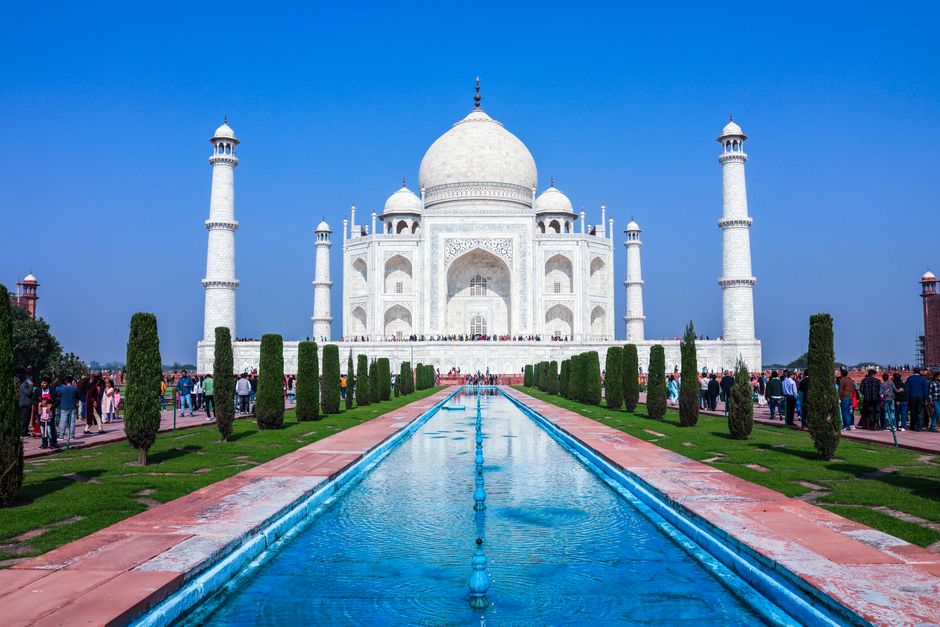
Verdict: no, but the Taj Mahal still deserves the first time slot. Its scale, symmetry, and riverside setting are difficult to understand from photographs. The mistake is treating that visit as the whole destination instead of the first chapter.
The useful mental model
Think of Agra as three connected zones. The Taj Mahal and Mehtab Bagh form the riverfront zone. Agra Fort, Jama Masjid, and the old bazaars make up the central heritage zone. Itmad-ud-Daulah, Chini ka Rauza, Ram Bagh, and the northern riverbank create a quieter garden-and-tomb zone. These areas have different moods, so combining all of them in one rushed circuit produces a tiring day and shallow memories.
The best first-day choice
Start with the Taj Mahal at sunrise, then pause before adding another major monument. Early light brings cooler temperatures and usually gives the complex a calmer rhythm. After breakfast, visit Agra Fort while the historical details still feel connected to the morning. Keep the afternoon flexible for rest, a riverside viewpoint, or a walk through the old city. This order works because the two largest sights receive the most attention when energy is highest.
Agra becomes more rewarding after the headline attraction is finished. The smaller sites show how imperial architecture, river gardens, religious buildings, craft work, and everyday trade fitted together.
How to build a three-day Agra itinerary
Use one major sight, one smaller site, and one local experience each day. That rhythm leaves room for heat, traffic, security checks, and the occasional slow meal. It also prevents the trip from becoming a checklist.
Day 1: the essential monuments
- Begin at the Taj Mahal during the earliest practical entry period. Allow two to three hours, including the approach, security line, main platform, gardens, and river-facing viewpoints.
- Take a long breakfast break rather than moving straight into another queue.
- Visit Agra Fort in the late morning or early afternoon. Focus on the public courtyards, palace apartments, mosque areas, and views toward the Taj Mahal.
- End near the old city with Jama Masjid and a short walk through the lanes around Kinari Bazaar. Stay alert to traffic and keep the route compact.
Day 2: the quieter riverfront
- Visit Itmad-ud-Daulah, often called the Baby Taj, when the marble inlay and carved screens can be studied without the scale of a huge complex taking over the experience.
- Continue to Chini ka Rauza if access and timing suit the day. The decoration is more weathered, but that is part of its character.
- Stop at Ram Bagh or another garden site for a slower afternoon. Gardens make sense here as cooling spaces and planned views, not only as photo locations.
- Use sunset for Mehtab Bagh or another approved river-facing viewpoint. Check the current access rules before travelling.
Day 3: choose one wider excursion
Choose Fatehpur Sikri for a major architectural extension, Sikandra for a different imperial tomb complex, or a village-and-craft route for a closer look at life outside the central monuments. Do not force all three into one day. Fatehpur Sikri needs enough time for the buildings, gateways, courtyards, and transport between sites. A shorter final day is better spent on one place than on three rushed stops.
Which Agra sights deserve your time?
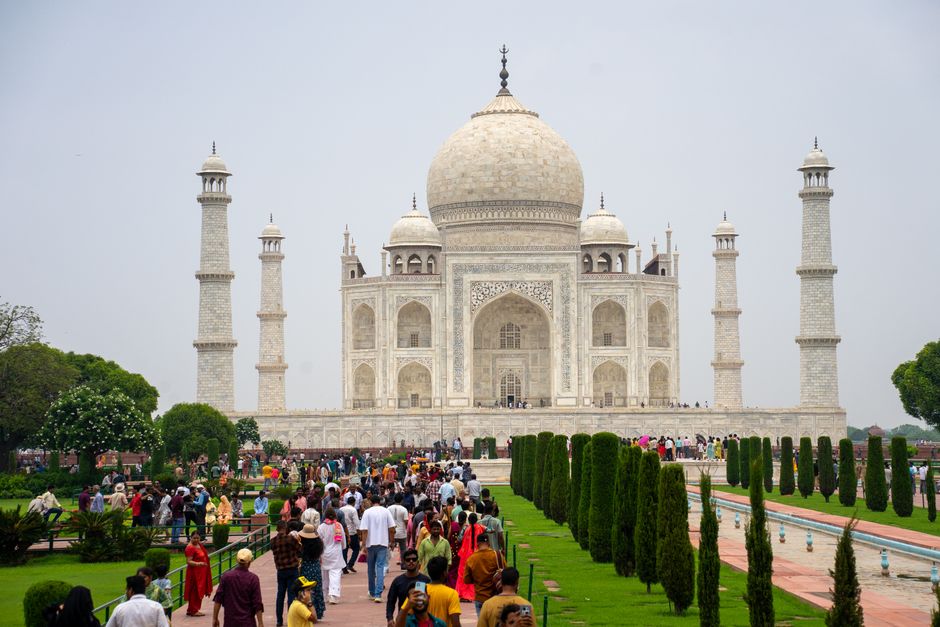
Not every stop serves the same purpose.
A practical site comparison
| Site | Allow | Best for |
|---|---|---|
| Taj Mahal | 2–3 hours | Architecture, gardens, sunrise views |
| Agra Fort | 1.5–2 hours | Palaces, courtyards, Mughal history |
| Itmad-ud-Daulah | 45–75 minutes | Marble inlay, screens, intimate scale |
| Mehtab Bagh | 45–60 minutes | Riverfront perspective and sunset |
| Fatehpur Sikri | 3–5 hours | Large-scale historic extension |
| Old city markets | 1–2 hours | Street life, food, craft traditions |
Choose the strongest combination
For a first visit with two full days, choose the Taj Mahal, Agra Fort, Itmad-ud-Daulah, and one riverfront viewpoint. For three full days, add either Fatehpur Sikri or a slower local route. For travelers who dislike large crowds, make the smaller tombs and gardens the center of the second day rather than treating them as spare options.
The strongest trade-off is clear: Fatehpur Sikri adds historical depth but consumes much of a day, while the northern riverfront offers a more relaxed picture of Agra with less travel. Pick Fatehpur Sikri for architecture on a larger scale. Pick the riverfront for a calmer city experience.
How to handle Agra’s heat, traffic and touts
Agra is easiest when the day follows the weather instead of fighting it. The hottest hours can turn a short walk into a draining transfer, while traffic near major gates may make a nearby destination take much longer than expected. Build the schedule around early starts, shaded breaks, and short geographic loops.
Move in short sections
Use a pre-agreed route and confirm the destination before entering a vehicle. Auto-rickshaws are useful for short hops, but traffic, road works, and gate restrictions can change the actual journey. A local taxi can save time for a multi-stop day, especially when visiting sites outside the center. Keep the final destination visible on a map and agree on the waiting plan before departure.
Dress for security and weather
Wear light clothing that covers shoulders and knees when visiting religious or historic spaces, and choose footwear that can handle uneven paths. Some monuments require shoes to be removed or covered in specific areas. Carry water, sun protection, and a small amount of cash for minor expenses, but avoid overloading the day with luggage. Security checks are common at major attractions, so leave bulky items behind.
Handle offers without losing the day
A calm, firm “no, thank you” usually works.
Static itineraries are useful, but local conditions should decide the final order.
Agra itinerary questions travelers ask
Can Agra be visited as a day trip?
Yes, but a day trip should focus on the Taj Mahal and Agra Fort, with one short old-city stop if time allows. Arrive early and leave the second major site flexible because transport delays can quickly remove an hour. A day trip cannot cover every riverfront tomb and garden without making the experience rushed.
Is two nights better than one?
Two nights create a much better balance. One night can cover the headline sights, but two nights allow a sunrise visit, a rest period, a quieter second day, and a choice between Fatehpur Sikri and the northern riverfront. The extra night matters most during hot months or when arriving after a long journey.
What should be skipped when time is short?
Skip distant sites that require a long transfer for a brief visit. Do not remove Agra Fort just to add another small monument; the fort explains the political and architectural setting behind the Taj Mahal. If the schedule has only a few hours, keep the route central and protect the early start.
What can go wrong, and how should the route end?
Agra rewards preparation because the most common problems are predictable. Avoid these mistakes:
- Arriving at midday: Heat, glare, and crowds make the largest monuments harder to enjoy. Put the main sight first.
- Booking every hour: Traffic and queues rarely follow a perfect schedule. Keep one open block each day.
- Trying to see every famous site: A long list creates shallow visits. Choose one major extension, such as Fatehpur Sikri, and leave the rest for another trip.
- Ignoring weekly closures and special events: Verify current opening information before building the day around one monument.
- Forgetting the return journey: Leave extra time for traffic when travelling to a railway station, airport, or another city.
The clearest final recommendation
For a first visit, spend the first morning at the Taj Mahal, the same day at Agra Fort, the second day around Itmad-ud-Daulah and the riverfront, and the third day on either Fatehpur Sikri or a slower local route. This sequence gives the city a beginning, a middle, and a quieter ending.
Agra’s future as a destination will depend less on adding another photo stop than on helping visitors stay long enough to see the city beyond its single famous monument. The Taj Mahal opens the door; the neighborhoods, gardens, forts, and riverfront give the journey its shape.