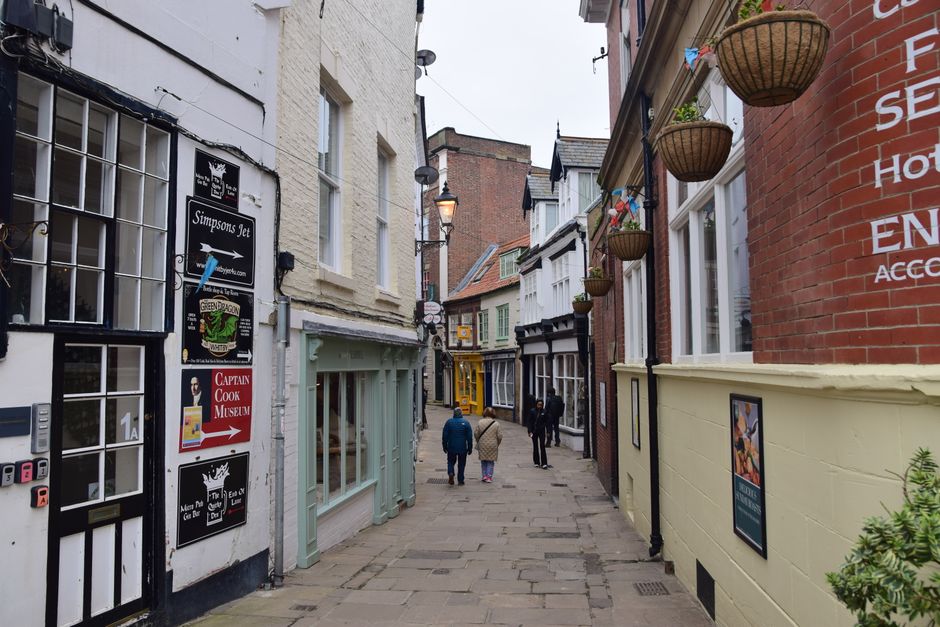
Many visitors assume York needs a long weekend. It does not. Two well-planned days cover the historic centre, the main city walls, York Minster, the Shambles and the riverside without turning the trip into a race. The key is to group sights by location instead of crossing the centre repeatedly.
What York in Two Days Can Realistically Cover
The right pace for a first visit
York is compact, but its attractions are slower than the map suggests. The Minster deserves at least 90 minutes, the complete wall walk takes close to two hours, and the narrow lanes around the Shambles reward unhurried wandering. Add time for queues, photographs and short breaks. A sensible two-day plan includes four major stops each day, not ten.
The route logic that saves time
The best pace follows a simple loop. Start inside the central historic area, visit the Minster while energy and daylight are strong, then move south through the medieval streets. Use the walls as a separate walking route rather than treating them as a quick shortcut. On the second day, begin at the Shambles before the busiest period, continue towards the market streets and finish near the River Ouse. This order avoids the most common mistake: spending the first morning browsing small lanes and leaving the Minster or walls for a rushed final afternoon.
Two days will not cover every museum, church and hidden court. That is a strength, not a gap. The plan works because it leaves room for the character of the city between the headline sights.
Day One: York Minster and the Medieval Core
Make the first day about York’s central landmarks. Start early enough to reach the Minster before the surrounding streets become crowded, then work south through the old centre.
A practical morning-to-evening route
| Time | Stop | Purpose |
|---|---|---|
| 8:30 | Minster area | Quiet exterior views and an early start |
| 9:00 | York Minster | Interior, stained glass and central nave |
| 11:00 | Stonegate and nearby lanes | Short walk, architecture and a pause |
| 12:30 | Historic centre | Lunch away from the busiest corner |
| 14:00 | Clifford’s Tower area | Views and context for York’s defensive history |
| 16:00 | River Ouse | Calmer late-day walk |
What deserves the most time
York Minster is the priority. Look beyond the main aisle: the medieval stained glass, chapter house and layered stonework explain why the building dominates York’s identity. Allow extra time for security or entry queues, especially during school holidays and wet weekends. The most rewarding route continues towards Clifford’s Tower and the river, where the city opens up after the tight streets.
The first day should feel architectural and spacious. Save the more detailed lane-by-lane exploring for the following morning.
How to Walk York’s Walls Without Wasting Time
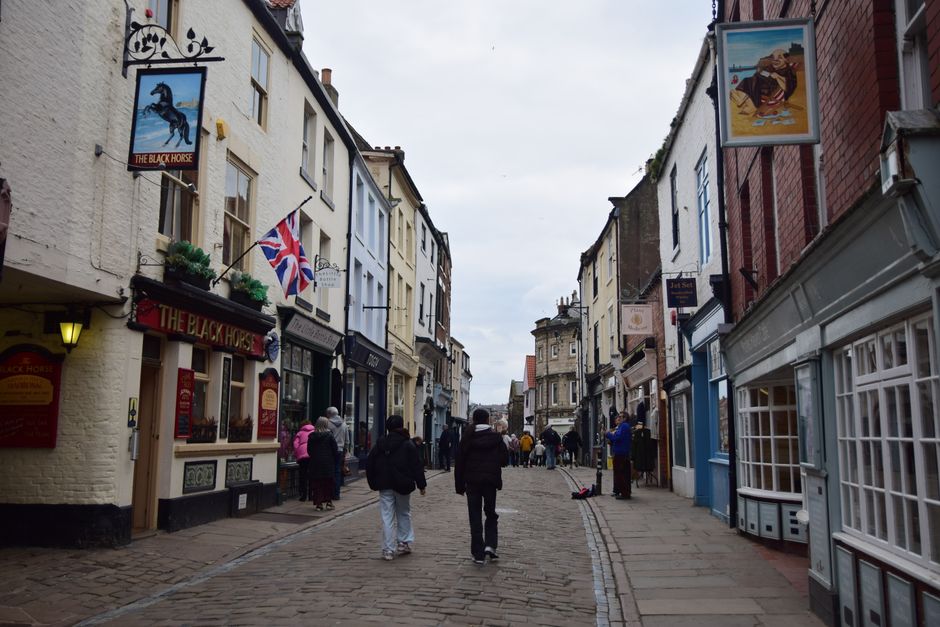
York’s walls form one of the clearest ways to understand the city’s shape. The circuit stretches for roughly 3.4 kilometres, though access points and short detours make the actual walk slightly longer. Allow around two hours at a steady sightseeing pace.
Use a clockwise route
- Begin near Bootham Bar for an immediate view towards the Minster.
- Continue towards Monk Bar, where the elevated path shows how tightly the old centre is contained.
- Follow the eastern side towards Walmgate Bar and the quieter southern sections.
- Finish near Micklegate Bar, then return through the centre or continue towards the station area.
Mistakes that make the walk harder
- Do not start after a full day of walking if the walls are a main reason for visiting.
- Do not assume every access point has the same opening conditions. Check current access information before setting out.
- Wear shoes with a firm sole. The path includes uneven stone, steps and narrow sections.
- Carry water, since the elevated route has limited places to stop.
The walls are best in dry weather and soft afternoon light. They are not a quick attraction to squeeze between two appointments. If time is limited, walk the northern and eastern sections first; they provide the strongest combination of Minster views, gates and changing city outlooks.
Day Two: The Shambles, Market Streets and the River
Day two works best as a slow central walk. The Shambles is short, atmospheric and easy to overestimate. It should anchor the morning, not consume the entire day.
Is the Shambles worth visiting early?
Yes. The lane is at its most enjoyable before the main visitor flow arrives. Early morning reveals the timber-framed buildings, overhanging upper floors and irregular street line without constant stops around every doorway. The lane itself can be explored in 30 to 45 minutes. Add time for nearby streets rather than walking back and forth through the same narrow passage.
What should follow the Shambles?
Move towards the market streets and the lanes around Parliament Street, then choose a quieter direction for the middle of the day. The best route is not a fixed checklist. It is a series of short sections: old shopfronts, small squares, churches, passages and views towards the river. Look for changes in street width and building height; they show how York developed from Roman, Viking and medieval layers rather than from one planned design.
Finish beside the River Ouse. The riverside gives tired legs a flatter, more open route and creates a useful contrast with the enclosed medieval centre. A late walk towards Lendal Bridge or the southern riverbank is often more relaxing than another hour in the busiest lanes.
What to Do When Crowds or Rain Disrupt the Plan
Keep the walls as the flexible part of the itinerary. They depend most on comfortable weather, while the Minster and central museums provide stronger options in rain. This simple swap prevents one bad forecast from damaging the whole visit.
When heavy rain arrives
Move indoors during the wettest part of the day and use the clearer periods for streets and walls. York Minster can take the place of an outdoor route, while the city’s museums provide historical context without long distances between exhibits. A rainy morning is also a good time for the quieter interior streets near the Minster, where photographs are easier and foot traffic is lower.
When crowds become the problem
Avoid the Shambles around the middle of the day and do not build the entire plan around one narrow lane. Walk two or three streets away, cross the centre, and return later. The crowds thin quickly once visitors spread towards the river, walls and museum quarter. Another common mistake is waiting in one long queue while several nearby sights remain open. Keep one indoor alternative and one outdoor alternative ready, then change order rather than losing an hour.
York rewards flexibility because its main sights sit close together. The plan should guide the day, not trap it.
The Two-Day York Plan at a Glance
The strongest itinerary gives each day a different mood. Day one explains York through its major architecture and defensive history. Day two leaves more space for narrow streets, small discoveries and the river.
Quick comparison of the two days
| Day | Main focus | Best start | Best finish |
|---|---|---|---|
| Day one | York Minster, medieval core and defensive landmarks | Minster area | River Ouse |
| Day two | The Shambles, market streets and quieter lanes | The Shambles | Riverside walk |
The clear verdict
For a first visit, the best order is Minster first, walls when the weather is strongest, and the Shambles early on day two. That sequence protects the major experiences from queues and fatigue. Visitors who prefer history should give more time to the Minster and walls. Visitors who prefer atmosphere should slow down around the Shambles, market streets and river. Either way, two days are enough to understand York’s main character: a compact city where Roman, Viking and medieval layers remain visible in the same walk.
York is most rewarding when the schedule leaves small gaps. The essential sights fit into two days; the unplanned turns are what make the route feel like York rather than a checklist.