The Bay of Kotor stretches roughly 28 kilometres inland, yet many visitors try to see its main towns in a single rushed day. That is the classic mistake: a short map distance hides slow coastal roads, seasonal traffic, boat schedules and steep walks. The result is a hurried old-town visit with no time for the villages that make the bay special.
The strongest plan uses Kotor as the starting point, gives the inner bay a full day, and leaves room for weather changes. The route below explains what the landscape changes, how to move around, which stops deserve time and what usually goes wrong.
What Kotor’s geography changes about the trip
Why the bay feels longer than a map suggests
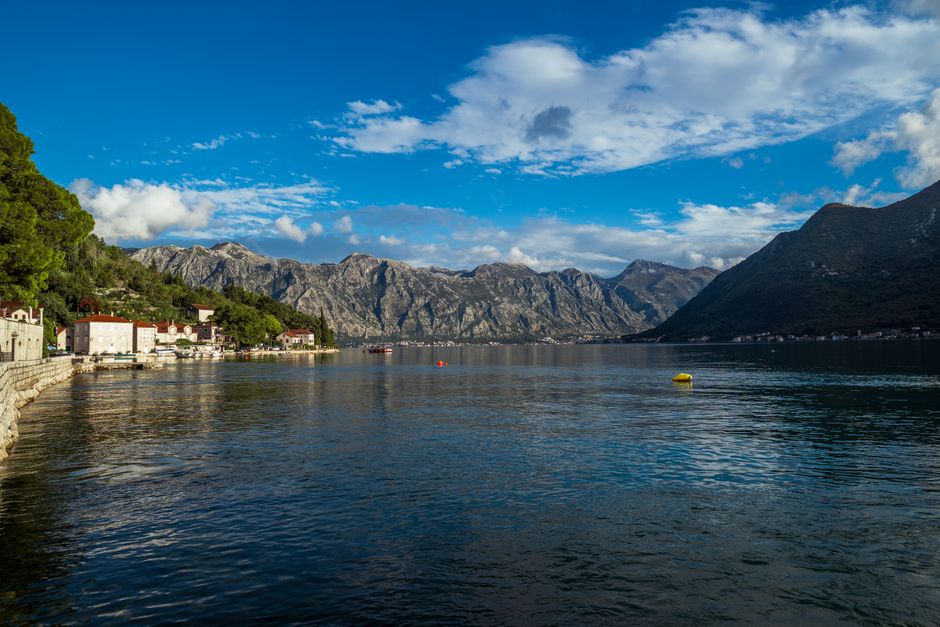
The Bay of Kotor is a winding system of inlets surrounded by steep limestone mountains. It looks like a fjord, although geologists classify it as a submerged river canyon system rather than a true fjord. Roads follow the shoreline, so a journey of 12 kilometres can take 30 minutes or more. A vehicle also has to share narrow stretches with buses, walkers, cyclists and boats arriving at busy piers.
This geography creates two different travel experiences. The outer bay feels open, breezy and connected to the Adriatic. The inner bay feels quieter, greener and more enclosed. Kotor, Perast, Risan and the Verige Strait are close on a map but distinct in atmosphere. Treating them as one identical destination leaves the best contrasts unseen.
The right base for a first visit
For a first visit, staying in or near Kotor for at least two nights is the best choice. Kotor provides the easiest access to the old town, the city walls, local buses and boat departures. A quieter base near Dobrota works well for travelers who want waterfront walks and early mornings. Perast is more atmospheric after day visitors leave, but it offers fewer transport options and becomes less convenient for exploring the wider bay.
Choose Kotor when the priority is variety. Choose Perast when the priority is a small historic setting and slow evenings. A single base prevents luggage changes from taking time away from the coast.
A three-day Kotor Bay itinerary that avoids backtracking
The most efficient first route follows the bay in stages instead of zigzagging between viewpoints. Start with Kotor, move toward the inner bay, then return through the same coastal corridor with a different stop or boat ride.
| Day | Main route | Best timing | What it covers |
|---|---|---|---|
| Day 1 | Kotor old town and city walls | Early morning and late afternoon | Historic lanes, churches, market area and mountain views |
| Day 2 | Perast, the bay islands and Risan | Morning departure, relaxed afternoon | Waterfront villages, boat access, mosaics and inner-bay scenery |
| Day 3 | Lovćen or the coastal side of the bay | Flexible start based on weather | Mountain roads, viewpoints, beaches or a slower final day |
How to use the schedule
Begin Day 1 before the main excursion groups reach Kotor. The old town is most enjoyable when the lanes are quiet and the stone is still cool. Leave the walls for a clear morning because clouds can cover the upper views later. Day 2 should start with Perast, when the waterfront is calm, followed by a boat trip if conditions are suitable. Risan adds historical depth without requiring a full day.
When to change the order
Move the mountain day forward if the forecast shows clear skies. Lovćen viewpoints lose much of their value in low cloud. If rain arrives, keep the schedule inside Kotor and use the following day for the bay. The strongest version of this itinerary has one open block rather than six tightly timed reservations.
How to move around the bay without losing the day
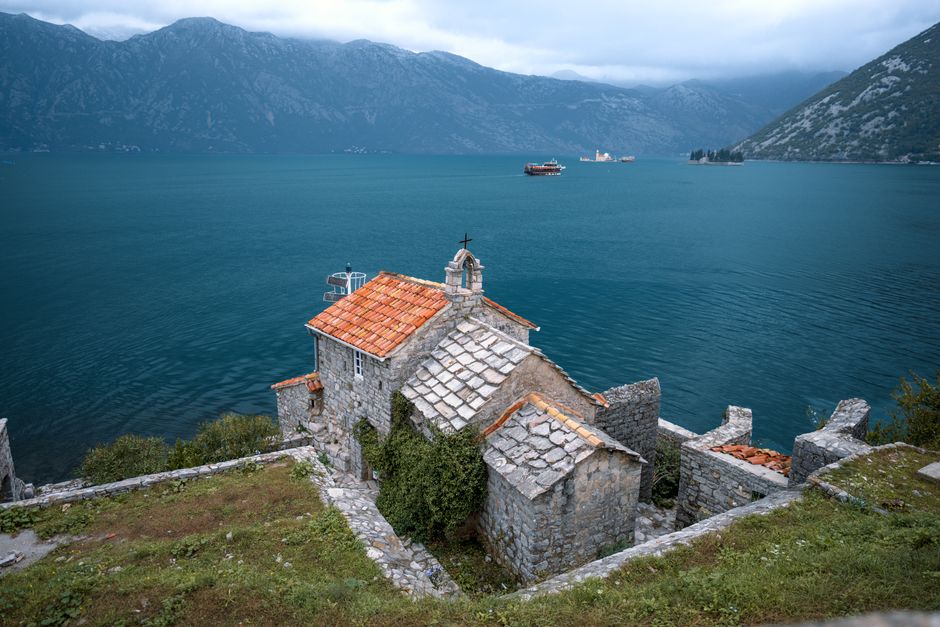
The best transport plan combines walking, short local journeys and one water-based connection. Driving gives the most control, but parking near Kotor and Perast becomes difficult during busy periods. Boats reveal the shape of the bay from the water but remain sensitive to wind and waves.
- Walk Kotor first. The old town is compact, and most lanes are easier on foot than by vehicle. Allow at least two hours for the central streets before adding the wall climb.
- Use the shoreline road for Perast. The journey from Kotor often takes about 20 to 30 minutes by car in light traffic, but longer during summer congestion.
- Check the last return option. Bus and boat schedules thin out in the evening, especially outside July and August. A beautiful sunset is less useful if the return route has already ended.
- Keep boat plans flexible. Wind can cancel departures or make an open-water crossing uncomfortable. Do not build the entire day around one sailing.
- Leave extra time at the Verige Strait. The narrow passage is a scenic point, not just a section of road. Traffic often slows there, and passing spaces are limited.
Walking and driving tradeoffs
Driving suits travelers who want Risan, the mountain roads and several viewpoints in one day. Walking and buses suit visitors focused on Kotor and Perast. The wrong choice is hiring transport for every short distance. Kotor’s historic core has restricted vehicle access, and a car can become a burden once the streets get busy.
A useful local habit
Ask about the next transport before leaving a village, rather than relying on a timetable seen online weeks earlier. Seasonal schedules change. Small adjustments often prevent a long wait beside a closed pier or an evening walk along an unlit road.
What to see in Kotor, Perast and the inner bay
Kotor deserves the longest walking time, while Perast deserves the slowest pace. The two places serve different purposes. Kotor explains the region’s history through fortifications and dense stone streets. Perast shows how maritime wealth shaped a much smaller settlement.
Kotor’s old town and fortress climb
Enter through the Sea Gate and follow the main lanes before searching for quieter corners. St Tryphon’s Cathedral, the Square of the Arms and the northern river area provide a useful orientation. The city walls climb more than 1,300 steps toward the fortress of San Giovanni. Start early, carry water and wear shoes with firm grip because the stone can be uneven and slippery.
The climb is not a quick viewpoint stop. In hot weather, the ascent and descent can take two hours with breaks. The lower walls still give strong views for visitors who do not want the full climb. That is the better choice during midday heat or after heavy rain.
Perast, the islands and Risan
Perast is small enough to explore on foot in under an hour, but rushing through it misses the point. Boat trips to the islands depend on weather and local operating times.
Risan adds Roman history through its ancient floor mosaics. It works best as a focused stop rather than a replacement for Perast. For a clear verdict, spend the morning in Kotor, the afternoon around Perast and only add Risan if the transport plan leaves at least 90 minutes.
Common questions about visiting the Bay of Kotor
Is Kotor too crowded for a relaxed trip?
Kotor can feel crowded when several large excursion groups arrive at once, usually between late morning and mid-afternoon in the busiest months. The old town becomes calmer before breakfast and after the groups leave. Staying overnight is the simplest solution. It allows an early wall climb, an unhurried dinner and a second walk through streets that felt crowded earlier.
Can the bay be visited as a day trip?
Yes, but a day trip should focus on one compact route. Choose Kotor plus Perast, or Kotor plus a boat outing. Adding Lovćen, Risan and several viewpoints creates too many road delays. The best one-day version starts in Kotor, reaches Perast before midday and returns with time for the old town. A full bay circuit needs more daylight than many visitors expect.
Is swimming practical around Kotor?
Swimming is possible from small waterfront platforms and beaches around the bay, but Kotor itself is not a classic sandy-beach destination. Water access is often rocky, and shade can be limited. Dobrota, Orahovac and parts of the outer bay offer a better balance of clear water and space. Pack water shoes and check the entry point before committing to a long swim.
Mistakes that make the bay feel rushed
What to avoid
- Trying to visit Kotor, Perast, Risan and Lovćen in one short day.
- Scheduling the highest viewpoint before checking cloud and wind conditions.
- Assuming every boat route runs late in the evening.
- Driving into Kotor’s historic centre and expecting easy parking.
- Climbing the fortress in the hottest part of the afternoon.
- Booking every hour so tightly that one traffic delay ruins the route.
When a different plan is better
Skip the mountain detour when the forecast is cloudy or when the group includes travelers who dislike steep roads and long climbs. Skip the boat trip when wind makes the crossing uncomfortable. The bay still works as a land-based journey through Kotor, Perast, Risan and the shoreline villages.
The clearest recommendation is simple: spend two nights in Kotor, give one full day to the inner bay, and keep the third day flexible for Lovćen or a slower coastal route. That plan respects the geography, protects time for weather changes and shows why the Bay of Kotor is more than a single photogenic old town.