A visitor leaves Chania after breakfast, drives toward the mountains, walks through a gorge, and expects to reach a southern beach before sunset. The route looks simple on a map. In practice, steep roads, limited ferry links, mountain weather and long return journeys can turn a relaxed day into a transport problem. The strongest way to explore western and southern Crete is to treat the island as a set of connected zones rather than a collection of isolated sights. Chania works as the cultural base, the gorges provide the main walking days, and the southern coast rewards a slower pace. This guide explains how to join those areas into a realistic itinerary, what each landscape demands, and which popular plans create more stress than value.
How to Choose a Crete Route Without Wasting Driving Time
Western Crete rewards route planning because the island’s road distances hide their real difficulty. A journey of 60 kilometres may take far longer than expected when it crosses mountain passes, follows narrow coastal roads or ends at a port with limited departures. The practical choice is to group nearby experiences together and avoid returning to Chania after every excursion. That single decision saves energy and leaves more time for swimming, walking and unplanned village stops.
Compare the main route patterns
| Route pattern | Best for | Main strength | Main weakness |
|---|---|---|---|
| Chania and nearby beaches | Short stays and relaxed sightseeing | Simple logistics with varied day trips | Less time in the remote south |
| Chania, Samaria and Agia Roumeli | Strong hikers | Combines a major gorge with the Libyan Sea | Requires early transport and careful return planning |
| Chania, Imbros and Hora Sfakion | Moderate walkers | Shorter gorge day with easier southern access | Fewer dramatic sections than Samaria |
| Elafonissi and the southwest coast | Beach-focused trips | Clear water, dunes and varied coves | Long road journeys and seasonal crowds |
| Southern base with local excursions | Slow travel | More time for swimming, ferries and villages | Less convenient for Chania sightseeing |
The strongest seven-day split
A Chania base suits the old town, the market area, the Venetian harbour and short western beach trips. A southern base near Hora Sfakion, Plakias or another coastal settlement reduces the pressure of reaching remote beaches and ferry ports in one day. Samaria deserves its own full day, while Imbros can fit more easily into a transfer day.
The key calculation is not just driving distance. It is the number of times a route crosses the island’s spine. Crossing from the north to the south once can be efficient. Crossing it every morning creates fatigue, especially after a long gorge walk. One base for culture and one base for the southern coast gives the clearest balance between convenience and landscape variety.
What Chania Adds Before the Mountains and Sea
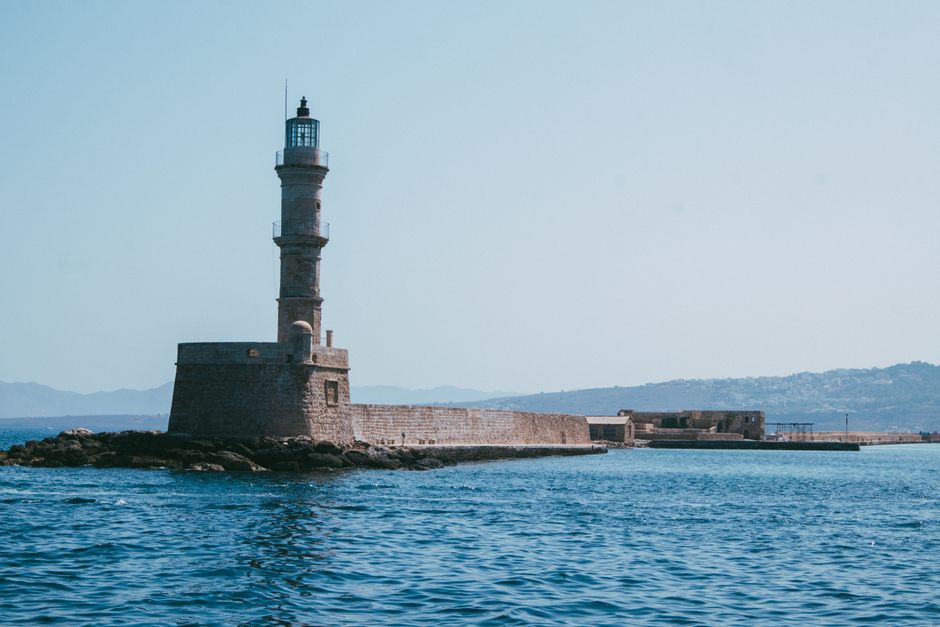
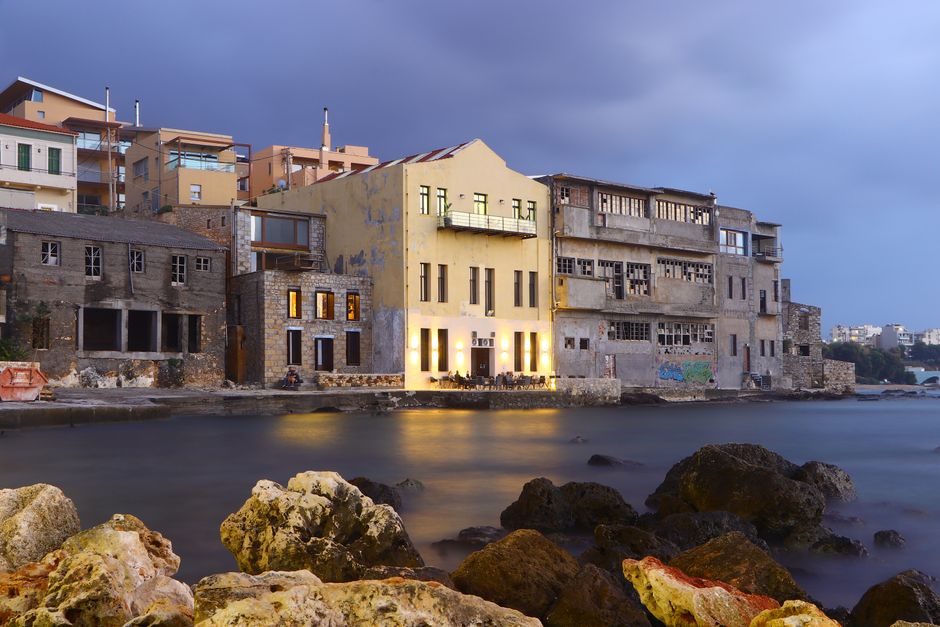
Chania is more than a place to sleep before an excursion. It provides the historical and practical context that makes the rest of western Crete easier to understand. The old harbour shows layers of Venetian, Ottoman and modern Cretan influence, while the surrounding streets remain active parts of the city rather than a preserved museum district. The city also offers the easiest place to adjust a route after checking mountain weather or ferry conditions.
Use the old town as a walking circuit
Begin near the harbour and follow the waterfront toward the lighthouse, then turn into the narrow lanes behind the main promenade. The walk is short enough to repeat at different times of day, but each hour changes the atmosphere. Early morning is quieter and better for architectural details. Late afternoon gives softer light across the harbour walls.
The old town is compact, but the walking surface is uneven in places. Comfortable footwear matters more than speed. A slow circuit also reduces the common mistake of spending the entire visit along the most photographed section of the harbour. Streets farther inland often provide better views of restored doorways, courtyards and old stone buildings without the same concentration of foot traffic.
Plan the city around the next transfer
Chania works best when the next day’s route is considered before the evening ends. A gorge excursion may require an early departure, while a western beach trip needs enough daylight for the return drive. A late city dinner followed by a mountain start can create a poor second day even when the distance appears manageable. The practical city verdict is clear: use Chania for orientation, food, history and recovery, not as a compulsory overnight stop after every southern excursion.
Allow at least one unstructured block in the city. Wind, heat or a delayed ferry can change an outdoor plan, and Chania is strong enough to carry a slower day without feeling like a fallback. This flexibility is especially useful in spring and autumn, when conditions can shift quickly between the coast and the high mountains.
Southern Beaches Are a Sequence, Not a Single Stop
The southern coast is best understood as a chain of different landscapes. Some beaches are reached by road, some by boat, and some by a walk that becomes part of the experience. The strongest beach plan limits the number of stops and gives each one enough time for swimming, shade and a meal in a nearby settlement.
Use the coast by area
- Southwest sands: Elafonissi is known for shallow water, pale sand and lagoon-like conditions. It suits an early arrival and a longer stay, but the open landscape offers limited natural shade. Kedrodasos provides a wilder setting nearby, with juniper trees and a less developed feel. Access requires more care because the final approach can be rough.
- West coast cliffs: Balos has striking shallow water and a lagoon setting, but the route involves a rough track or a boat connection followed by walking. It is a poor choice for a day that also includes several distant beaches. Falassarna is easier to combine with a west-coast route and offers a broad open shoreline, but strong wind can change the swimming conditions.
- Central south coast: Plakias provides a practical base for several coves and inland villages. Preveli combines a palm-lined river mouth with a steep approach, so the return climb can be harder than the descent. Triopetra and nearby beaches suit travelers seeking more space and fewer urban services.
- Remote southwest villages: Loutro and Agia Roumeli are strongest when treated as destinations rather than quick photo stops. Boat access shapes the day, and the lack of a direct road can be part of their appeal. The tradeoff is less flexibility if weather disrupts sea transport.
Match the beach to the conditions
Wind matters as much as scenery. An exposed west-facing beach can become uncomfortable on a windy afternoon, while a sheltered cove may offer calmer water. The best response is to keep two nearby alternatives rather than committing to a long drive for one photograph. A towel, water, sun protection and secure footwear are basic planning items, especially where the walk from the road includes loose stone or steep steps.
The beach verdict is clear: Elafonissi suits shallow-water swimming and a wide coastal view, Falassarna suits an easier west-coast day, and the southern villages suit travelers who value atmosphere and access by sea over a long list of stops.
What Should a Six-Day Itinerary Look Like?
Which days belong in Chania?
Use the first and final parts of the trip for Chania. Arrival day can cover the harbour, old town and market area without pressure. The final city block provides a buffer if a southern transfer runs late or weather changes a sea connection. This arrangement also avoids placing a demanding gorge walk immediately after a long arrival journey.
How should the middle days be arranged?
A practical six-day sequence is: Chania orientation, a western beach day, a gorge day, a transfer to the southern coast, a slower southern beach or village day, and a return toward Chania. The gorge day should not be followed by another major hike. If Samaria is selected, the route should allow for the boat and road transfer after the walk. If Imbros is selected, the same day can end near Hora Sfakion or another southern base.
Which tradeoff matters most?
The main tradeoff is breadth versus depth. A route covering Elafonissi, Balos, Samaria, Loutro and Preveli may look impressive on paper, but it creates long transfers and little time at each place. A shorter list usually produces better photographs, calmer meals and fewer missed connections. For six days, three major outdoor goals are enough: one gorge, one western beach area and one southern-coast experience.
What is the final route verdict?
For a balanced first visit, Chania should provide the cultural base, Imbros should be the lower-risk gorge choice, and the southern coast should receive at least two nights. Strong hikers with stable weather can replace Imbros with Samaria, while beach-focused travelers can skip the long gorge and spend more time around Elafonissi, Falassarna or the southern coves. The visitor who left Chania expecting one easy drive to a gorge and beach now has a workable sequence: one zone at a time, enough recovery between demanding days, and a clear fallback when weather or transport changes the plan.