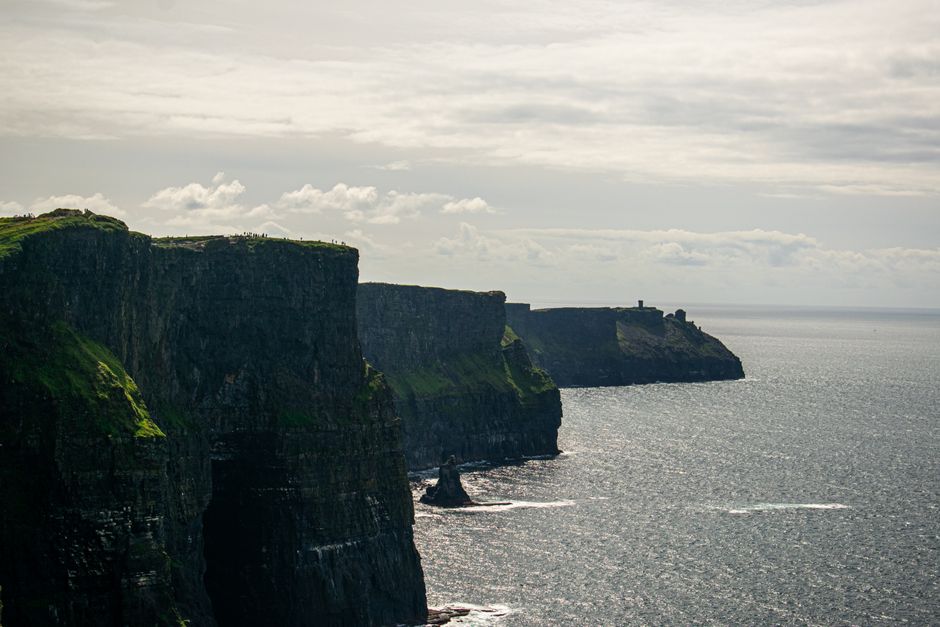
Ireland’s Wild Atlantic Way follows the Atlantic coast for roughly 2,500 kilometres, from the Inishowen Peninsula in Donegal to Cork’s southern coast. A successful trip depends less on covering the full route and more on choosing a manageable section, allowing time for weather, narrow roads, village stops and short walks.
How Many Days Do You Need for the Wild Atlantic Way?
Seven to ten days is the best length for a first Wild Atlantic Way road trip. That gives enough time to experience several coastal regions without turning every day into a long drive. A shorter trip should focus on one area rather than attempt the entire route.
Choose the route length before choosing stops
The full coastal route needs at least three weeks for a relaxed journey, and even that leaves little time for longer hikes or island visits. Four to five days works well for a compact Galway, Clare and Kerry itinerary. Seven days allows a stronger north-to-south journey, while ten to fourteen days suits travellers who want Donegal, Mayo, Galway, Clare and Kerry in one trip.
| Trip length | Best focus | Driving style |
|---|---|---|
| 3–4 days | Galway, Clare and the Burren | One base with short coastal drives |
| 5–7 days | Galway to Kerry | Two or three overnight bases |
| 8–10 days | Donegal, Mayo, Galway and Clare | North-to-south point-to-point route |
| 14 days | Several major coastal regions | Slower pace with walking days |
| 21 days or more | Most of the official route | Flexible, weather-led travel |
Pick a direction that matches the season
North-to-south travel works well when the trip begins in Donegal or Sligo and finishes near Cork or Kerry. South-to-north travel can be easier for travellers arriving through Cork or Shannon. The stronger choice is the route with fewer long transfers on arrival and departure days.
What Driving the Wild Atlantic Way Really Feels Like
The route is scenic but not fast. A map may show a modest distance between two villages, yet the journey can take much longer because of bends, steep gradients, livestock, cyclists, walkers and narrow lanes. The best plan treats driving as part of the experience, not as empty time between attractions.
Expect narrow roads and changing surfaces
Major sections use broad national or regional roads, but many celebrated viewpoints sit at the end of single-track lanes. Stone walls can leave little room for passing. Slow down before blind bends, keep the left side, and use passing places only when they are clearly marked. Never stop in a passing place for photographs. Pull fully off the road instead.
Build the day around daylight and weather
Atlantic weather can change from clear skies to heavy rain within an hour. Wind also affects exposed headlands, ferries and high coastal roads. Start outdoor activities early, keep one sheltered alternative for each day, and avoid fixing every hour around sunset photographs. A beach walk, museum, village café or short forest trail can save a wet afternoon.
Allow more time than the route planner suggests
Plan for two to three hours of actual driving on most sightseeing days. A day showing five hours of road time leaves almost no room for viewpoints, food, toilets or unexpected closures. The strongest itinerary usually includes one major stop, two smaller stops and a walk of less than two hours.
How to Plan a Comfortable Day on the Coast
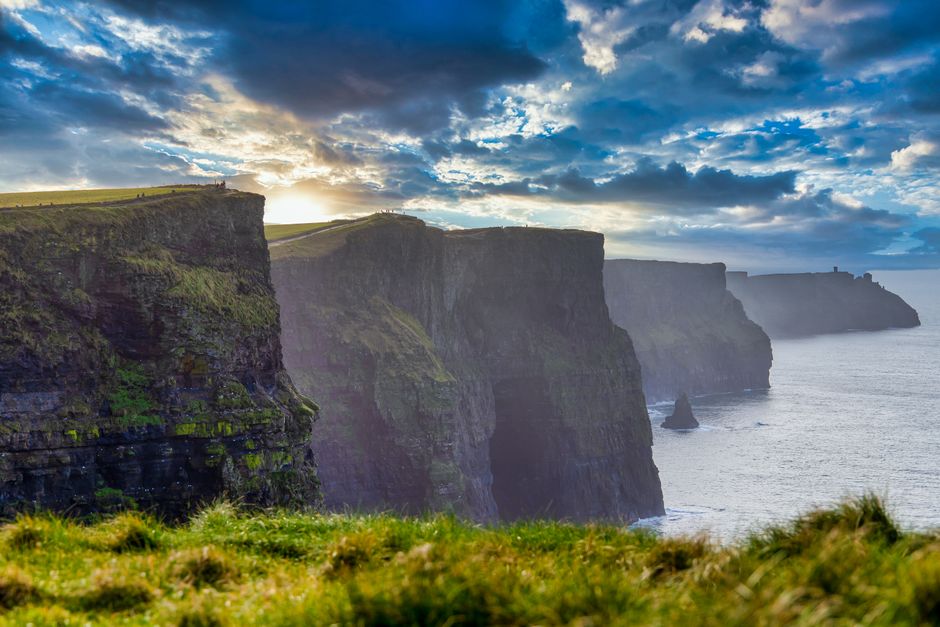
The best daily rhythm is one major landscape, one short walk and one unplanned stop. Packing the day with six landmarks creates a rushed trip and leaves no room for the conditions that make the Atlantic coast special.
A reliable day plan
- Check the weather, road conditions and ferry information before leaving.
- Choose one main destination that deserves two or three hours.
- Set off early enough to reach the first viewpoint before the busiest period.
- Stop in a village for food rather than relying on the next place having open facilities.
- Take a short walk, even if the weather prevents a longer hike.
- Leave time for viewpoints that appear beside the road.
- Reach the evening base before darkness on unfamiliar rural roads.
- Keep the following morning flexible if wind or rain affects the day.
What belongs in the day bag
Carry waterproof outer layers, sturdy footwear, water, snacks, a paper map or offline navigation, and a small amount of cash for places with weak mobile coverage or limited card facilities. A power bank helps on long days, but it should not replace downloading maps before leaving a town. Keep camera equipment protected from wind-driven rain.
Which Coastal Regions Deserve Priority?
Every section has a different character, so the strongest route depends on the type of landscape being sought. The clearest recommendation for a first visit is to combine two or three contrasting regions rather than collect similar viewpoints along the whole coast.
Is Donegal best for wild scenery?
Yes, Donegal is the strongest choice for remote landscapes, rugged headlands and long stretches with few settlements. The Inishowen Peninsula, Fanad area and Slieve League region reward slow travel. Roads can feel especially small, so two or three nights create a better experience than a quick pass through.
Is Galway and Clare best for a first trip?
For many travellers, yes. Galway offers an easy base for Connemara, while County Clare combines the Cliffs of Moher, the Burren and compact coastal villages. This section has strong variety within short driving distances. It is the best choice for four or five days, especially when the itinerary needs clear highlights without long transfers.
When should Kerry or Cork come first?
Kerry suits travellers who want dramatic peninsulas, mountain roads and established walking routes. Cork’s western coast works well for quieter harbours, beaches and food-focused stops. These areas deserve priority when the trip begins or ends in the south, since forcing a northern detour can add more driving than scenery.
What Mistakes Ruin a Wild Atlantic Way Itinerary?
The most common problem is not poor weather. It is an itinerary that leaves no time to respond to poor weather.
Avoid these planning errors
- Trying to drive the entire route in one week. The distance looks manageable on paper, but daily sightseeing becomes a sequence of parking areas and rushed photographs.
- Changing accommodation every night. Frequent packing wastes time and makes wet-weather delays harder to absorb. Two or three nights per base usually works better.
- Trusting only mobile navigation. Coverage can disappear in valleys and on peninsulas.
- Ignoring tide and wind conditions. Coastal walks, boat trips and exposed cliffs become less pleasant or unsafe when conditions worsen.
- Stopping in unsafe places. Narrow roads need room for farm vehicles, emergency services and local traffic. A dramatic photograph is not worth blocking a bend.
- Assuming every village has late food service. Rural kitchens may close earlier than expected, particularly outside peak summer months.
When should the route be shortened?
Shorten the route when the forecast shows repeated high winds, when a ferry connection is uncertain, or when the trip includes older travellers or young children who need regular breaks. A smaller loop around Galway, Clare or Kerry is a better experience than a long transfer made under pressure.
How to Build the Final Wild Atlantic Way Route
Start with arrival and departure points, then choose one coastal region that matches the available time. Add a second region only when the transfer fits comfortably beside a full sightseeing day. The strongest route is the one that leaves space for a missed viewpoint, a longer lunch, a closed road or a walk that turns out to be better than expected.
A practical seven-day outline
Spend the first two nights around Galway or Connemara, then move to Clare for two nights. Continue south toward Kerry for two or three nights, using the final day for departure rather than another ambitious coastal crossing. For a northern route, spend two nights in Donegal, two around Sligo or Mayo, two near Galway and one in Clare. Both versions offer contrast without demanding the full length of the Wild Atlantic Way.
The clearest recommendation
For a first Wild Atlantic Way road trip, choose a seven-day Galway-to-Kerry route with two nights in each main region, one flexible weather day and no more than three hours of driving on sightseeing days. It offers the best balance of cliffs, beaches, villages, mountains and practical travel time, while leaving enough room to experience the coast instead of simply crossing it.