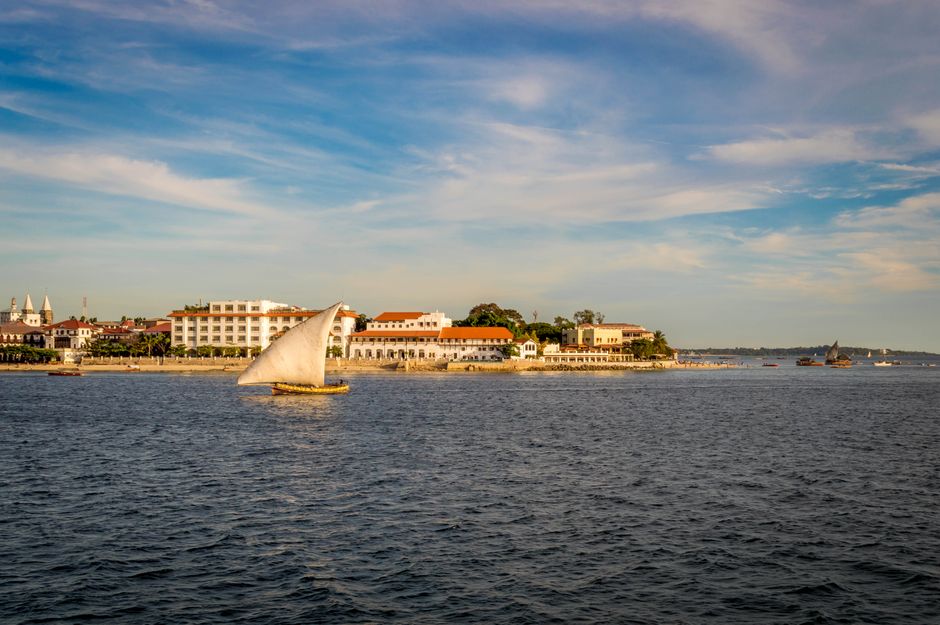
How to Split Time Between Stone Town and the Beaches
The best first trip combines two nights in Stone Town with three nights on the coast. Stone Town provides the history, food, architecture and street life that make Zanzibar different from a standard beach break. The beaches then give the trip space to slow down, swim, walk and adjust to the island’s heat. Staying in one place for the whole visit feels easier, but it leaves out the contrast that makes Zanzibar memorable.
The best split for a first visit
Begin in Stone Town if the flight or ferry arrives early enough for a relaxed check-in. The compact historic centre works well on foot, and the first afternoon can cover the waterfront, narrow lanes, old trading houses and a sunset walk. A second morning allows time for a guided heritage visit or a food-focused walk before moving to the coast. Three beach nights suit most short trips because the journey inland or north takes time, and a single night rarely feels settled.
Why the order matters
Stone Town is more intense than the beach areas. Traffic, heat, uneven pavement, busy markets and narrow lanes create a lively but tiring start. The coast works better after that introduction because it provides a slower rhythm. Avoid planning a long beach day immediately before an international departure if the return journey includes road transfers or a ferry. Leave a buffer for traffic, weather and delays. For a six- or seven-day trip, add one extra beach night rather than moving to a third base. Fewer hotel changes mean more time in the water and less time handling luggage.
A Five-Day Zanzibar Itinerary That Actually Works

This plan keeps the route simple and leaves room for heat, tides and unexpected discoveries. It suits a first visit that wants culture and beaches without racing across the island.
| Day | Base | Morning | Afternoon and evening |
|---|---|---|---|
| 1 | Stone Town | Arrive, check in and rest | Waterfront walk, old lanes and an early dinner |
| 2 | Stone Town | Historic centre and local market | Heritage visit, harbour views and sunset |
| 3 | East or north coast | Transfer after breakfast | Beach walk, swimming and a quiet evening |
| 4 | East or north coast | Choose an activity around the tide | Relaxed beach time and local seafood |
| 5 | Coast or departure base | Short swim or village walk | Allow generous transfer time for departure |
How to pace each day
Start outdoor sightseeing early. By late morning, the combination of sun and humidity can make a short walk feel demanding. Reserve the middle of the day for shade, lunch or a swim, then return outside in the late afternoon. This pattern works better than filling every hour with tours. It also leaves enough energy for evening walks, when Stone Town becomes cooler and the beach areas take on a quieter mood.
When to change the plan
Move the beach transfer to day two if the arrival day starts early and Stone Town is only a brief stop. Add a second Stone Town night if architecture, history and food matter more than swimming. For a longer holiday, keep the same structure and add nights instead of adding destinations. The island looks small on a map, but roads can turn a simple move into a long half-day. A slower itinerary creates more useful time.
What to Expect in Stone Town Beyond the Landmarks
Is Stone Town easy to explore on foot?
Yes, the historic centre is compact enough for walking, but the lanes can feel confusing at first. Wear shoes with a firm sole because pavement quality varies, and keep the day light enough to pause often. A local guide adds context about Swahili architecture, Indian Ocean trade and the city’s layered religious history. The strongest walks do not treat Stone Town as a checklist of buildings. They explain how homes, mosques, markets, courtyards and the harbour fit together.
What should visitors do about dress and photography?
Stone Town is a working community, not an open-air theme park. Loose clothing that covers shoulders and knees works well away from the beach, especially near religious sites and residential streets. Some residents welcome conversation; others want to get on with their day. That small pause improves the experience and avoids the feeling that visitors are collecting images without seeing the people who live there.
Where does the city feel most alive?
The waterfront is best near sunset, while the market area feels busiest earlier in the day. Evening food stalls bring a social energy that differs from the quieter lanes inland. Keep valuables secure in crowded areas, accept that small streets may not follow a logical grid, and use a visible landmark when arranging a meeting point. The city rewards wandering, but a little orientation prevents a hot and frustrating detour.
How to Avoid Zanzibar’s Most Common Travel Mistakes
The biggest mistake is planning Zanzibar like a compact city break. Island travel runs on heat, tides, road conditions and local rhythms, so a good plan needs space around the main activities.
Errors that cause the most trouble
- Ignoring the tide: On parts of the east coast, the sea can retreat a long way before returning. A beach that looks perfect for swimming in the morning may become shallow reef and seaweed several hours later. Check the tide before choosing a swimming or snorkelling window.
- Booking too many bases: Moving every night wastes time and makes the trip feel like transport management. Two bases cover the main contrast for a first visit.
- Underestimating the sun: Schedule walking, cycling and boat activities early, carry water and take shade breaks before feeling exhausted.
- Expecting every beach to look the same: North-coast beaches often offer easier swimming at more times of day, while parts of the east coast show stronger tidal change and broad stretches of exposed sand.
- Treating transfers as exact: Road journeys can take longer than the map suggests because of traffic, village streets and weather. Do not place a tight ferry, flight or tour connection immediately after a long transfer.
Small choices that improve the trip
Download offline maps before leaving reliable internet, but ask residents for directions when a route becomes unclear. Respect closed doors, private courtyards and quiet prayer times. If bargaining takes place, stay friendly and agree on the amount before accepting a service.
Also leave room for a slower day. A schedule built around one major plan, one flexible plan and open time feels far better than a timetable packed from sunrise to bedtime.
Which Zanzibar Beach Area Fits Your Trip?
There is no single best Zanzibar beach. The right choice depends on the type of coast wanted after Stone Town, but the differences are clear enough to make a firm choice.
| Area | Best for | Trade-off | Choose it when |
|---|---|---|---|
| Nungwi | Reliable swimming and lively evenings | Busier feel and longer journey from Stone Town | Swimming matters more than seclusion |
| Kendwa | Wide sand and relaxed swimming | Less village life immediately around the beach | A classic beach finish is the priority |
| Paje | Kitesurfing atmosphere and long beach walks | Strong tidal changes affect swimming | Wind, water sports and an active scene appeal |
| Jambiani | Quieter village character and local interaction | Swimming conditions vary with the tide | A slower, less polished coast feels right |
| Michamvi | Peace, sunsets and a more removed setting | Fewer easy alternatives nearby | Quiet matters more than nightlife or variety |
When not to choose the most famous beach
Do not choose a busy northern beach if the main goal is a quiet village atmosphere. Do not choose the east coast if daily swimming matters more than scenery and tidal drama. Do not choose a remote peninsula for a short trip that needs simple transport. Matching the beach to the trip prevents disappointment more effectively than chasing the most photographed view.
The clearest recommendation
For a first Zanzibar visit, pair Stone Town with Kendwa or Nungwi for easier swimming and a straightforward beach finish. Choose Paje or Jambiani instead when tides, long walks and village life matter more than constant access to deep water. The strongest plan is two nights in Stone Town, three nights on one coast, early sightseeing, flexible afternoons and enough transfer time to keep the island enjoyable.