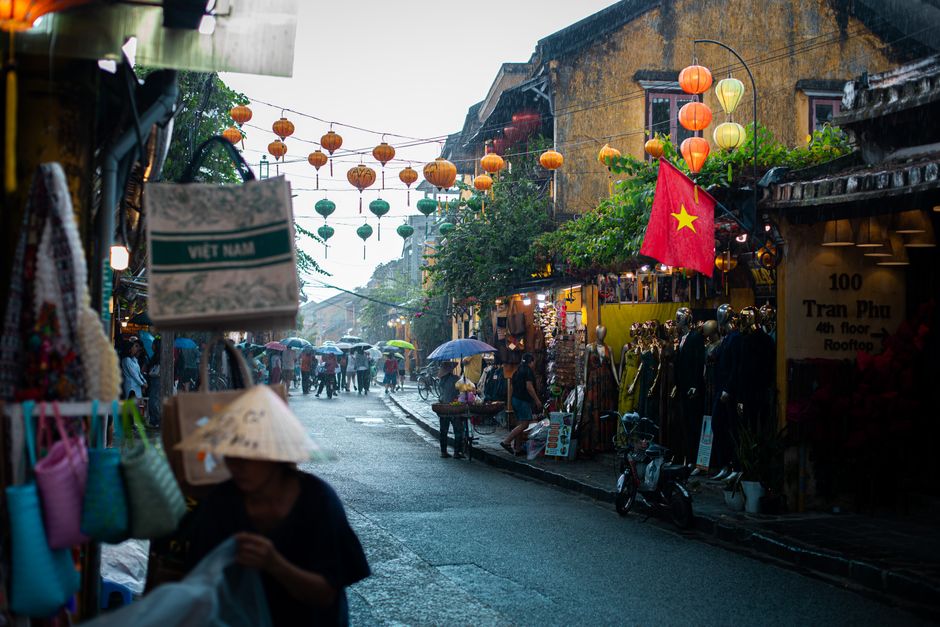
A visitor can walk across Hoi An’s Ancient Town in minutes, yet the historic port can absorb three full days without feeling repetitive. The problem is timing: arrive at noon and the heat blunts the streets; arrive only after dark and the town’s daily life has already disappeared. Hoi An’s old centre grew as a trading port where Vietnamese, Chinese, Japanese and European merchants met, and its street plan still reflects that layered history. The best visit treats the town as a working neighbourhood, not a lantern-themed stage set.
What Hoi An’s Ancient Town Actually Offers
The historic centre is compact but layered
Hoi An Ancient Town is easy to explore on foot, but its value does not come from a single landmark. The narrow streets connect former merchant houses, assembly halls, temples, small museums, courtyards and riverfront lanes. Many buildings sit close to the pavement, with timber fronts and deep interiors shaped by trade, rain and heat. That design makes the town feel intimate, but it also means that popular lanes become crowded quickly.
A useful starting point is the riverside, followed by a slow walk through the central lanes before choosing individual heritage buildings. A ticket system may apply to selected historic sites, and the rules, opening hours and included buildings can change. Check the current arrangement locally rather than assuming every attraction uses the same entry process.
Lanterns are part of the setting, not the whole story
Lanterns look most striking after sunset, but daytime reveals the details that night photography hides: faded shopfronts, carved beams, family shrines and the balance between restored and lived-in spaces. For the trip itself, the clear verdict is simple: reserve the first morning for history and the evening for atmosphere.
When to Walk Hoi An’s Old Streets
The strongest daily plan follows the weather rather than a rigid attraction checklist. Morning is usually the most comfortable period for walking. Midday suits shaded museums, a long meal or a break. After dark, the riverfront becomes livelier, but narrow streets can feel congested.
| Time | Best use | What to expect |
|---|---|---|
| 6:30–9:30 | Quiet streets, market lanes and exterior photography | Cooler air, local activity and fewer tour groups |
| 10:00–15:30 | Heritage interiors, lunch and rest | Heat, stronger sun and less comfortable walking |
| 16:00–19:30 | Riverside walk, lantern-lit lanes and dinner | More visitors, softer light and busier crossings |
The best verdict for most visitors is a split day: walk early, pause during the hottest hours, then return before sunset. Rain can alter the plan quickly during the wetter months, so leave one indoor heritage visit available. A compact umbrella and shoes with secure soles matter more than a packed schedule.
How to Build a Three-Day Hoi An Itinerary

- Day one: learn the town’s shape. Begin with the market area and the riverside, then enter the Ancient Town while the streets are still manageable. Choose two or three heritage buildings rather than trying to collect every ticketed site. After a midday pause, return for the late afternoon light. Spend the evening near the river, but walk beyond the busiest photo points before deciding where to eat.
- Day two: follow the town beyond the postcard view. Use the morning for a bicycle ride through quieter lanes and agricultural areas outside the centre, taking care around traffic and wet roads. A short cooking or food-focused activity can add context to local ingredients, but verify the meeting point before setting out. Return to the old centre late in the day for architecture and lanterns.
- Day three: leave space for a decision. Choose between a beach morning, a countryside route, a museum visit or a second slow walk through the Ancient Town. The right choice depends on rain, heat and energy levels, not on completing a checklist. Keep the final evening flexible because tailoring appointments, delayed transport and sudden showers often affect the last day.
This itinerary works because it separates walking-heavy activities from slower ones. It also protects one open block, which is often the difference between a relaxed visit and a rushed one.
The Best Lantern Experience Is a Short Evening Walk
Do not build an entire night around a boat ride or one famous bridge. The strongest lantern experience usually comes from walking the riverfront shortly after sunset, crossing into quieter side streets, then returning to the water when the lights reflect on the surface. Allow about ninety minutes. That is enough for photographs, a drink or dessert, and a second look at the illuminated façades without turning the evening into a queue.
The clear recommendation is to treat lanterns as one chapter of the visit. Hoi An feels more authentic when the bright evening scene is balanced with a quiet morning, a market visit and time spent noticing ordinary details.
How to Approach Tailoring Without Regret
Start with the garment’s purpose
Tailoring can be useful in Hoi An, but speed creates unrealistic expectations. A reference image helps, but it should be treated as a guide rather than a promise that the finished garment will match every detail.
Take measurements early in the trip. Explain how the garment should feel when sitting, walking and raising the arms. For trousers, test the rise and pocket depth. For jackets, check shoulder movement and sleeve length. For dresses, check the neckline, waist position and whether the fabric remains comfortable in humidity. A fitting is not complete just because the garment looks neat while standing still.
Leave time for corrections
The most common mistake is ordering late and accepting the first fitting because departure is near. Keep at least one full day between the first fitting and departure when possible. If the schedule is shorter, choose a simpler design with fewer structural details.
The firm verdict: tailoring is worth adding when the trip includes enough time for two fittings. It is a poor choice for a complex formal garment when the schedule allows only a rushed appointment.
Common Hoi An Mistakes and Their Fixes
- Arriving at the busiest hour: begin early, pause during the heat and return near sunset.
- Trying to see every historic building: select a small group and read the details instead of collecting entrances.
- Assuming the weather will stay stable: carry light rain protection and keep one flexible indoor block.
- Booking a river activity without checking the meeting point: confirm the departure location, duration and return time before paying.
- Riding without planning the route: use quieter roads, slow down at junctions and avoid treating rural lanes as traffic-free.
- Photographing residents or religious spaces carelessly: ask before close portraits and follow signs at temples and family houses.
The largest failure mode is over-scheduling. Hoi An rewards pauses because heat, rain and crowd movement can change the experience within an hour.
Which Hoi An Plan Fits the Trip?
A short visit should give priority to the Ancient Town and one evening by the river. A three-day visit can add tailoring, countryside or the beach without sacrificing rest. Longer stays should use Hoi An as a base for slower exploration rather than repeating the same lantern walk every night.
| Trip style | Best allocation | Main trade-off |
|---|---|---|
| One day | Early Ancient Town walk and sunset riverfront visit | Little room for weather changes or tailoring |
| Three days | History, countryside or beach, then a flexible final day | Requires planning around heat and appointments |
| Four days or more | Slow town visits with regional day trips | Less novelty if every evening follows the same route |
For most travel readers, the three-day plan is the strongest choice: it covers the historic core, leaves room for local life and protects time for weather or practical changes. The Ancient Town supplies the history, the lanterns supply the atmosphere, and the open schedule makes the visit feel like Hoi An rather than a race through a sightseeing list.