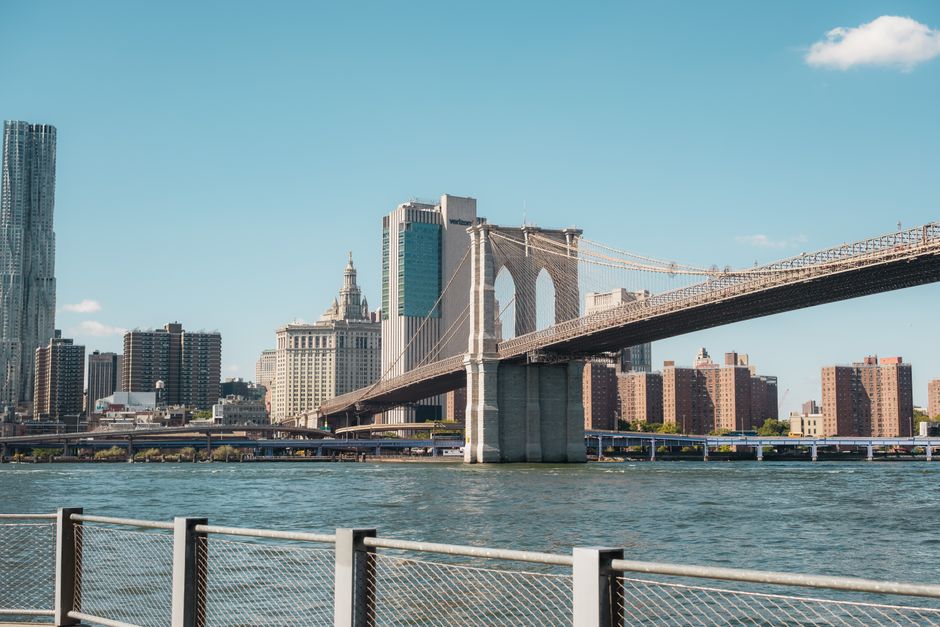
Charleston and Savannah sit close enough for an easy Southern road trip, yet each city has a distinct rhythm, food culture, and architectural character. The strongest plan gives Charleston more time for history and waterfront views, then uses the coastal drive to reach Savannah for shaded squares, historic homes, and slower evenings.
How Many Days Do You Need for Charleston and Savannah?
Five days is the best length for a first Charleston and Savannah road trip. It allows two full days in Charleston, one travel day with a coastal stop, and two full days in Savannah. Four days can work, but the schedule becomes tight. Seven days creates room for beaches, plantations, wildlife areas, or a second night in a smaller coastal town.
The best trip lengths
| Trip length | Best use | Main trade-off |
|---|---|---|
| 3 days | One city with a short visit to the other | Limited time for museums and neighborhoods |
| 4 days | Two days in Charleston and two in Savannah | Little time for detours |
| 5 days | Two full city stays plus a coastal drive | Requires a clear daily plan |
| 7 days | Cities, beaches, and low-country stops | More driving and advance planning |
Where to start and finish
Starting in Charleston and finishing in Savannah works best for most travelers because the route moves south and the city visits build toward a relaxed final stop. A round trip from one airport adds several hours of driving and can force the schedule back through places already visited. For a short trip, use separate arrival and departure points when practical.
What Is the Best Driving Route Between the Cities?
The direct drive between Charleston and Savannah takes about two hours without stops, but the fastest route is not the most memorable one. The practical choice is to leave Charleston early, follow the main highway toward Savannah, and add one carefully chosen coastal stop instead of trying to see every landmark on the map. This keeps the drive manageable and protects the afternoon in Savannah.
Charleston to Savannah by the direct route
Leave after breakfast and allow at least three hours for the transfer. That buffer covers fuel, traffic near both cities, and a short break. Keep bags out of sight during stops, and check parking rules before entering historic districts. Downtown streets can be narrow, and some areas are easier to explore on foot than by car.
When to choose a coastal detour
Add a detour only when the weather is dry and the trip has five or more days. Beaufort offers a quieter historic center, waterfront paths, and a useful pause between the larger cities. A detour through the ACE Basin suits travelers interested in marshes and birdlife. Avoid stacking a beach, wildlife area, and city tour into one day. The road trip works best when one major stop gets the afternoon.
How Should a Two-Day Charleston Itinerary Work?
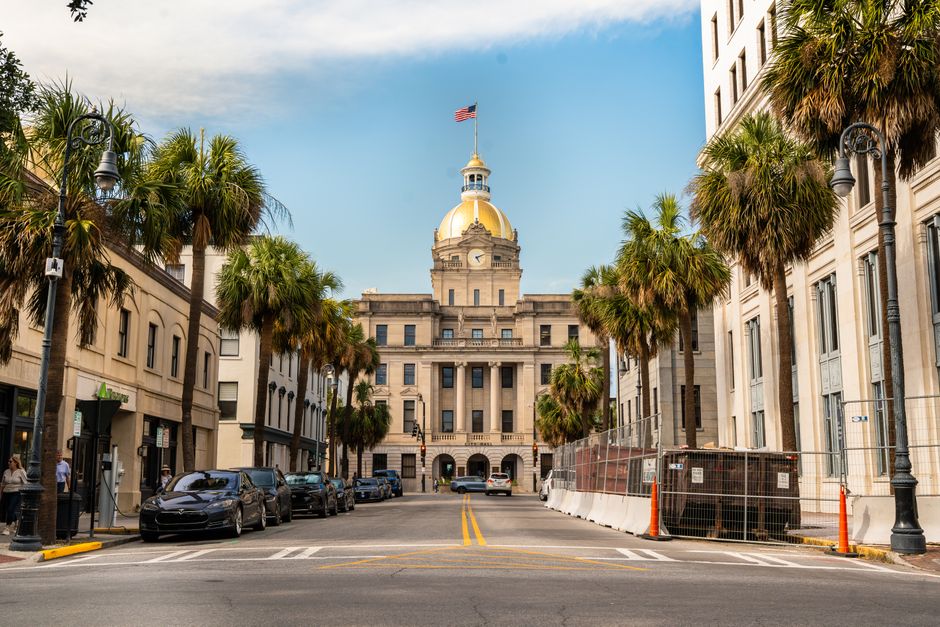
Charleston rewards a slow start and a walkable plan. The historic core is compact, but heat, uneven pavements, and frequent stops make a packed schedule tiring. Reserve the first morning for orientation and the second day for a deeper look at the city’s history and nearby water.
Day one: historic streets and the harbor
- Begin around the historic center before the streets become busy.
- Walk south through the main residential streets, looking for ironwork, piazzas, and preserved facades.
- Break for lunch near the market district rather than crossing town.
- Spend the afternoon along the waterfront and nearby parkland.
- Choose dinner within walking distance of the accommodation to avoid a second parking search.
Day two: history, gardens, and local neighborhoods
- Start with one major museum or historic house. One well-chosen interior is more useful than several rushed visits.
- Visit a churchyard or garden for a quieter view of the old city.
- Use the afternoon for a neighborhood outside the central tourist route, or choose a plantation and allow several hours.
- Keep the evening open for a final meal and an early night before the drive south.
The clear choice is depth over coverage. Charleston’s best details appear in doorways, side streets, and small historical explanations that disappear when every hour is booked.
How Should a Two-Day Savannah Itinerary Work?
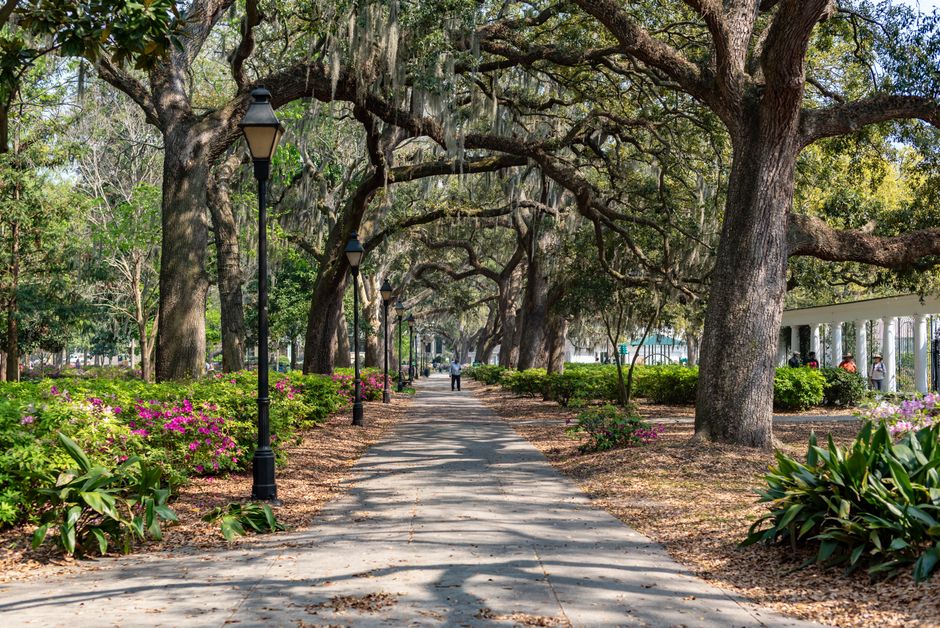
Savannah deserves the slower walking schedule. Its squares are spread across a simple grid, but the shade, architecture, and small green spaces reward wandering without a strict route. The strongest plan uses the first day for the central squares and the second for the riverfront, museums, and a residential district.
Day one: squares and historic homes
Start at the northern end of the historic district and move south through the squares. This creates a natural sequence instead of repeated crossings. Pause at several squares rather than trying to photograph all of them. Choose one historic home or museum for context, then leave time for side streets and shaded benches. Evening light is especially good along the older residential blocks.
Day two: riverfront and quieter corners
Walk toward the river early, before the steep street and exposed pavement become uncomfortable. Continue through the market area, then choose a museum, cemetery, or neighborhood park for the afternoon. A guided walk can add useful local detail, but it should replace part of the route, not sit on top of a full day of sightseeing. For most visitors, Savannah is the better city for an unplanned final evening because the center remains active after the main attractions close.
What Should You Eat and Drink Along the Way?
Food is part of the route, not a separate checklist. Charleston is the stronger choice for seafood, refined low-country cooking, and dishes built around rice, shellfish, and seasonal vegetables. Savannah stands out for bakeries, casual Southern plates, and restaurants set inside historic buildings.
What belongs on the Charleston side?
Look for shrimp and grits, oysters, she-crab soup, fried green tomatoes, and rice-based low-country dishes. Ask how far the seafood traveled and choose places that explain the local source clearly. A heavy lunch can make the afternoon uncomfortable in summer, so breakfast and dinner should carry more of the trip’s food focus.
What belongs on the Savannah side?
Try pralines, peach desserts, biscuits, fried chicken, and regional seafood. Savannah’s restaurant districts can fill quickly in the evening, especially on weekends. Eat earlier or make a reservation for the one dinner that matters most. The best food plan includes one formal meal, one casual meal, and one market or bakery stop rather than three elaborate dinners.
What Road Trip Mistakes Should You Avoid?
Most problems on this route come from poor timing rather than distance. The cities look close on a map, but parking, heat, and attraction hours can consume more time than expected.
Common planning mistakes
- Driving at midday in summer: Start early and place indoor visits in the hottest part of the afternoon.
- Changing hotels every night: Stay at least two nights in each main city to reduce packing and parking stress.
- Overloading the transfer day: Pick one coastal stop, not four.
- Ignoring walking conditions: Wear supportive shoes and carry water. Historic streets are not always smooth or shaded.
- Assuming every attraction opens daily: Check current hours before building a route around a single museum or house.
When to skip the road trip
Do not choose this itinerary when the main goal is a beach holiday, a nightlife weekend, or a long national-park trip. Charleston and Savannah are strongest for architecture, food, history, and walkable neighborhoods. Travelers who dislike heat, driving, or historic tours may prefer a single-city stay with less moving around. The route also loses appeal when only two days are available, since airport transfers can take a large share of the trip.
Charleston or Savannah: Where Should You Spend More Time?
Give Charleston more time when history, seafood, and waterfront scenery lead the trip. Give Savannah more time when shaded walking, squares, architecture, and relaxed evenings matter most. For a balanced first visit, use two full days in each city and place the extra day on the side that matches the travel season and walking tolerance.
The short verdict
Charleston is the better starting city for a structured itinerary. Savannah is the better finishing city for a slower final day. That order creates a natural shift from planned sightseeing to relaxed exploration.
Final comparison
| Choose Charleston for | Choose Savannah for |
|---|---|
| Waterfront views and coastal history | Shaded squares and easy wandering |
| Seafood and low-country dishes | Southern bakeries and casual meals |
| A denser first-day sightseeing plan | A gentler final day |
| Two full days of museums and historic homes | Two full days of squares, parks, and residential streets |