Hawaii Island covers about 4,000 square miles, making it larger than all the other main Hawaiian islands combined. That size shapes the entire trip. Beaches, lava fields, rainforests, coffee country, snow-dusted mountain summits, and active volcanic landscapes sit far apart. A good visit needs more than a list of attractions. It needs a route that respects distance, weather, road conditions, and the island’s strong sense of place.
How Should a Big Island Trip Be Planned?
Plan the island by region, not by attraction. The biggest mistake is treating the Big Island like a compact beach destination. Driving from Kona to Hilo takes about 90 minutes in clear conditions, while a trip from the west coast to Hawaii Volcanoes National Park can take two hours or more. Add stops, darkness, rain, and slow traffic near towns, and a single-day loop can become tiring instead of memorable.
Start with two useful bases
For a seven-day trip, two lodging bases usually work better than one. Kona or the Kohala Coast suits the first half because the west side has the most reliable sunshine, calm swimming areas, sunset viewpoints, and access to coastal roads. Hilo suits the second half because it sits closer to the national park, Hamakua waterfalls, and the wet eastern landscape. A split stay cuts repeated driving and gives each coast enough time.
Build the route around daylight
Place long drives and mountain roads during daylight. Keep the first day light after arrival, then schedule the farthest outing for the middle of the trip, when energy is higher. The coastal highway north of Kona, the Saddle Road crossing, and the road toward the national park all reward an early start. Avoid stacking a sunrise, a long cross-island drive, and a late-night return in one day.
Pack for several climate zones
The island can shift from hot and dry to cool, windy, and rainy within a few hours. Lightweight layers, a rain shell, sun protection, closed shoes, and extra water matter more than a large suitcase. Mountain conditions can change quickly, and some high-elevation areas become cold after sunset. Check weather, road notices, park alerts, and summit access rules before leaving each morning.
Which Big Island Region Fits Your Trip?
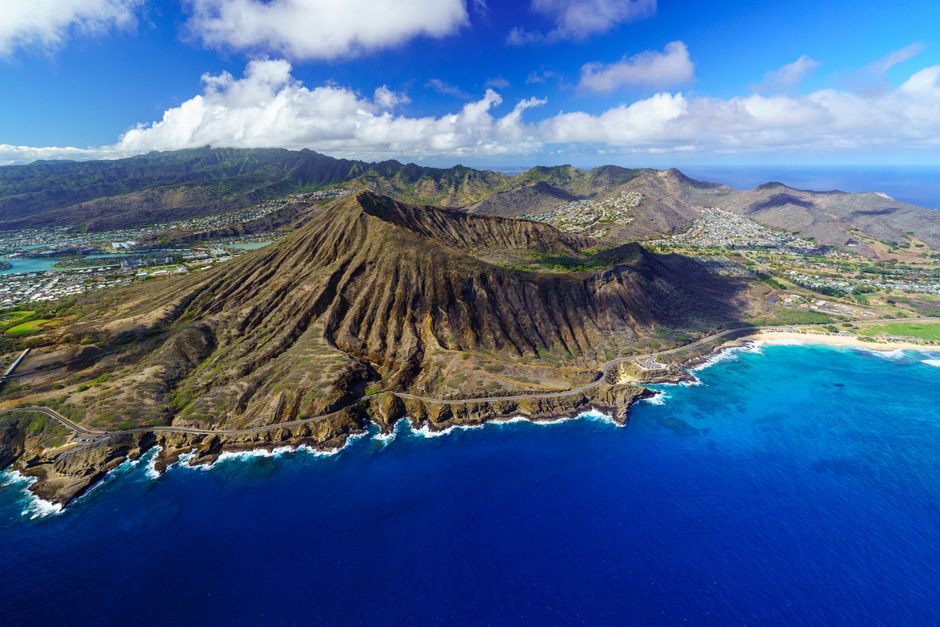
The west and east sides feel like different islands. Kona has dry volcanic slopes and long sunny spells. Hilo has frequent rain, dense greenery, and a slower town-centered rhythm. Neither is the universal winner. For a first visit, the strongest choice is to use both when the schedule allows it.
Regional comparison
| Region | Best for | Plan around |
|---|---|---|
| Kona | Sun, swimming, coastal history | Morning water time and evening sunsets |
| Kohala Coast | Quiet beaches and scenic drives | North-coast viewpoints and short hikes |
| Hilo | Rainforest, markets, waterfalls | Morning outdoor visits before heavier rain |
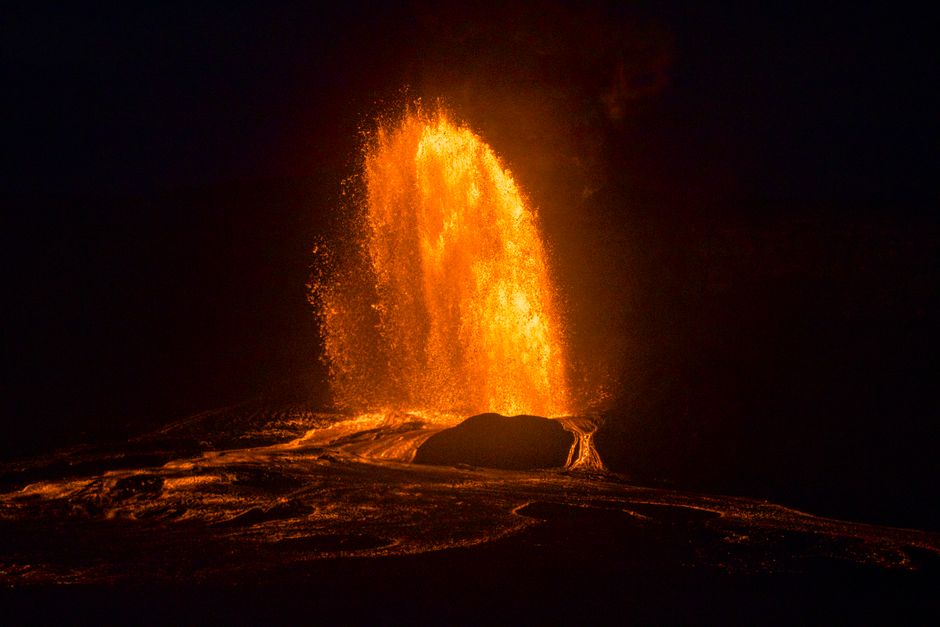
| Volcano area | Lava landscapes and night skies | Park alerts, layers, and daylight |
| Waimea | Ranch country and upland scenery | Flexible stops between coasts |
Choose Kona for the easiest first visit
Kona is the better single-base choice for travelers who want dependable beach weather and a simple arrival. The west coast also makes it easier to reach historic coastal sites, snorkeling areas, and northern viewpoints without crossing the island. The tradeoff is clear: the dry side has less dense rainforest and can feel more developed around the busiest coastal districts.
Choose Hilo for nature and atmosphere
Hilo is the better base for travelers who care most about waterfalls, botanical landscapes, local food culture, and access to the volcano region. Rain is part of the experience, not a rare interruption. The tradeoff is less predictable beach weather and a longer drive to the west-coast swimming areas. A split stay gives the clearest picture of the island.
How to Build a Seven-Day Big Island Itinerary
A practical itinerary leaves room for weather. The island rewards slower days because many of the best views appear between major stops. The following route balances coast, culture, mountains, rainforest, and volcanic terrain.
Days 1 to 3: Settle into the west side
- Day 1: Arrive, collect supplies, and stay near the west coast. Keep the afternoon short. A coastal walk and sunset are enough after travel.
- Day 2: Explore Kona’s historic waterfront and nearby coastal sites. Add a swimming or snorkeling stop only if ocean conditions are calm. Finish before darkness rather than forcing a late drive.
- Day 3: Drive north through the Kohala region. Stop at lookout points, short valley trails, and small communities along the route. Return by a different coastal section if daylight allows.
Days 4 to 7: Cross the island and explore the east
- Day 4: Cross the island during daylight using the central route. Stop at Waimea or another upland area, then continue to Hilo.
- Day 5: Visit Hilo’s waterfront, markets, gardens, and nearby waterfalls. Start early because rain often becomes heavier later in the day.
- Day 6: Spend most of the day in Hawaii Volcanoes National Park. Check current alerts before entering, walk only on marked trails, and stay after sunset if conditions and park rules permit.
- Day 7: Keep the final day flexible. Use it for a missed waterfall, a weather-delayed hike, a final coastal stop, or the return drive to the departure airport.
This plan works because it avoids crossing the island every day. It also protects the most weather-sensitive activities. Ocean time belongs on the clearest west-side day, while waterfalls and forest trails still work when clouds move in.
Big Island Questions That Change the Plan
Is one week enough for the Big Island?
Seven days is enough for a strong first visit, but not enough to see every beach, trail, and small town. The best approach is to choose two or three themes, such as volcanic landscapes, coastal swimming, and rainforest scenery. Trying to cover every corner creates long drives and shallow experiences.
Should the trip include Mauna Kea?
Mauna Kea can be rewarding for travelers who enjoy high-elevation landscapes and astronomy, but it needs planning. Temperatures drop sharply after sunset, altitude affects some visitors, and access conditions can change. A mountain visit should never be treated as a casual add-on after a full day of driving.
What local rules deserve special care?
Stay on marked trails, respect closed areas, and never remove lava rock, sand, or cultural materials. Do not enter the ocean when lifeguards or local signs warn against it. At historic and sacred places, quiet behavior and distance from ceremonial areas matter. Photography is not a substitute for permission. These choices protect fragile landscapes and show respect to the communities connected to them.
Common Big Island Mistakes and the Best Overall Route
The best overall route is a west-to-east split with two bases. It gives the first days to sunny coastlines and the later days to Hilo, rainforest, and volcanic terrain. A single base can still work, but only for travelers comfortable with repeated long drives.
Final comparison
| Travel style | Best plan |
|---|---|
| First-time visitor | Three nights west, four nights east |
| Beach-focused trip | One west-side base |
| Nature-focused trip | Hilo or Volcano area base |
| Slow scenic trip | Two bases with open days |