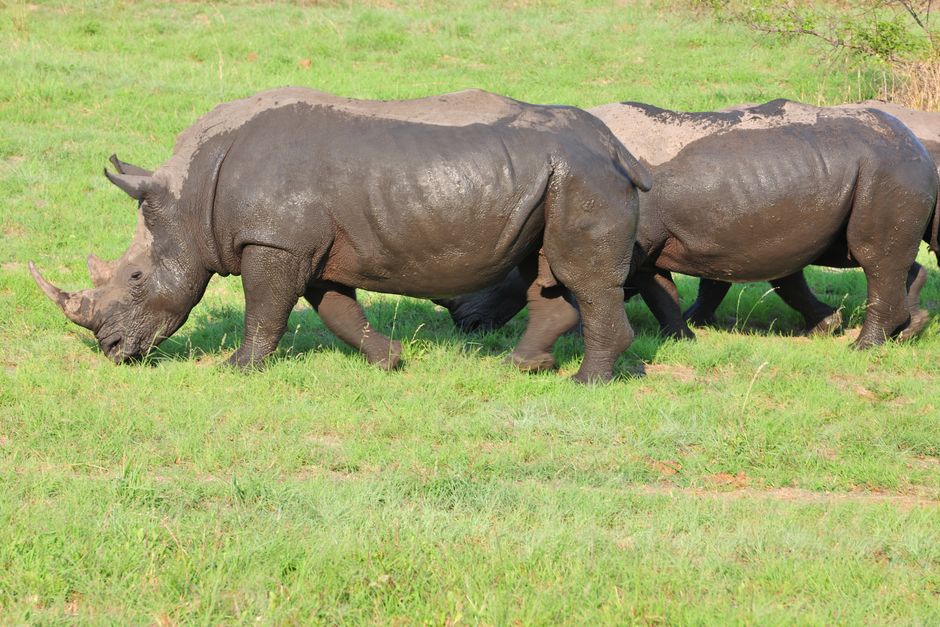
Kruger National Park rewards careful planning, but it does not reward trying to cover every road. The strongest safari plans allow enough time in one region, protect the early and late daylight hours, and leave room for wildlife to set the pace.
When to Visit Kruger for Better Wildlife Viewing
The dry season from May to September is the clearest choice for first-time visitors who want easier animal viewing. Vegetation thins, water becomes concentrated around rivers and waterholes, and warm days make long drives comfortable, although winter mornings can feel cold. The rainy season creates greener scenery, dramatic skies, young animals, and stronger birdlife, but thick vegetation makes wildlife harder to spot.
Seasonal conditions at a glance
| Period | Best suited to |
|---|---|
| May to September | First safaris, photography, easier mammal viewing |
| October to November | Travelers who want fewer crowds and rising bird activity |
| December to March | Birding, scenery, newborn animals, flexible travelers |
| April | A shoulder-season balance |
Why daylight matters more than the calendar
Animals can appear in any month, but the first and last hours of daylight usually offer the strongest movement. Gate and camp opening times change through the year, and late arrivals may be refused, so confirm the current schedule through the official gate information page before setting out. The verdict is simple: choose the dry season for the easiest viewing, or choose the wet season only if scenery and birds matter as much as large mammals.
How Many Days Are Enough for a Kruger Safari?
For a first visit, five nights is the right target because it allows two travel days, several full game-viewing days, and enough flexibility when weather or slow roads disrupts a plan.
Is three nights enough?
Three nights works for a short southern stay, especially when entering through a nearby gate and sleeping inside the park, but it leaves little room for missed sightings, long transfers, or a quiet day when animals stay hidden.
Why five to seven nights works better
Five to seven nights allows a two-region route without turning the trip into a driving exercise. A useful pattern is two nights near the southern section, three nights in the central section, and an optional final night near the exit. That structure gives different habitats a fair chance and avoids judging the whole park from one busy road.
When a longer trip becomes counterproductive
Beyond a week, the value comes from slowing down rather than adding another camp every night. Constant packing wastes the quiet hours when animals are most active. The clear recommendation is to stay longer in fewer places, with at least two full mornings and two full afternoons based at each main stop.
How to Build a Route Without Spending the Trip Driving
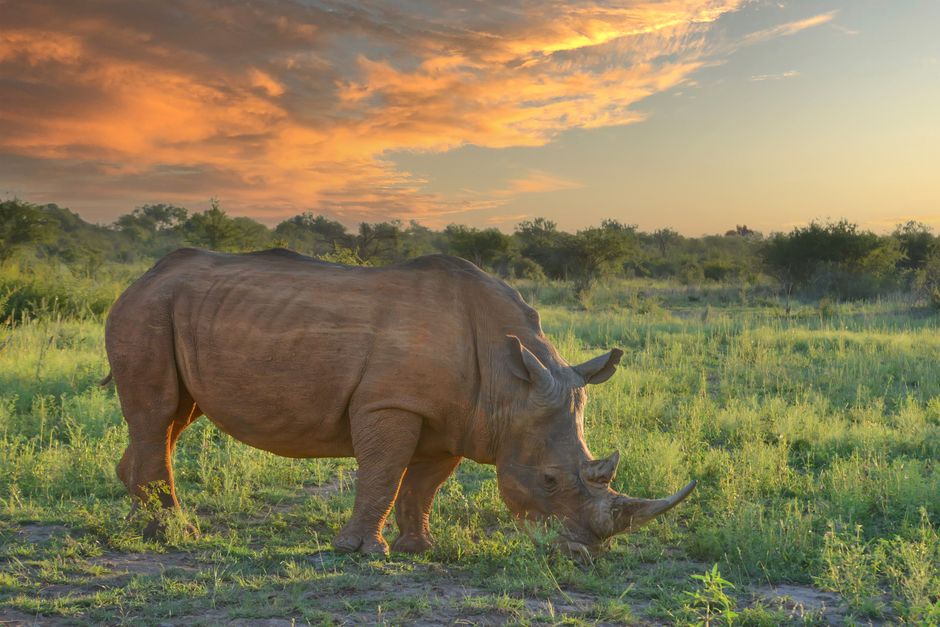
Kruger is far larger than a normal day-trip destination, and map distance is misleading because wildlife sightings, gravel roads, stops, and low speed all stretch the journey. Choose a region first, then choose a camp that supports the kind of safari being planned. The official park map should be used to check roads, camps, picnic sites, and distances before booking.
Choose the south for a first introduction
The southern section is the easiest starting point for many visitors because it has several entrance options, more developed camps, and a strong mix of grassland, woodland, rivers, and open roads. It suits short trips and travelers who want a practical first look at elephants, lions, buffalo, rhinoceros, and abundant general wildlife without committing to the park’s longest transfers.
Choose the central section for predator-focused drives
The central grassland around the main camps is a strong choice for visitors focused on lions, cheetahs, and large herbivore herds. Open country improves visibility, but that does not guarantee sightings. A pride may be resting behind a rise, and a busy road can make an otherwise promising area unpleasant, so use quieter side roads and return at different times.
Choose the north for space and slower travel
The northern section rewards repeat visitors, birders, and travelers who prefer fewer vehicles and more varied landscapes. It needs more time because distances between camps are longer and services are less concentrated. Do not place a northern camp directly after a long international arrival; a delayed flight or late road transfer can create a stressful first day and may cause a missed gate closing.
A strong route has one clear direction, realistic driving blocks, and no unnecessary backtracking. If a journey between camps looks short on the map, allow extra time for wildlife and road conditions rather than promising an exact arrival hour.
A Practical Five-Day Kruger Itinerary
Day-by-day plan
- Day one: Enter through the gate closest to the first overnight camp, complete registration, settle in, and take a short afternoon drive near camp. Avoid crossing half the park after a long flight.
- Two shorter drives usually beat one exhausting full-day push.
- Day three: Move to a central camp using a route with several habitat changes. Pack food and water, stop only at approved get-out points, and treat the transfer as a game drive rather than a race.
- Day four: Repeat the morning-and-afternoon rhythm from the new base. Check the daily sightings board, but use it as a clue rather than a promise; yesterday’s lion location may be irrelevant today.
- Day five: Take a final early drive, leave enough time for the exit gate, and avoid a long external transfer immediately after leaving the park unless the schedule includes a generous buffer.
How to improve the odds of good sightings
Slow down near water, bridges, river crossings, and shaded bends. Scan the road edges before looking into the distance, because small antelope, birds, and tortoises often reveal larger predators nearby. Stop safely when another vehicle has found something, but keep the road clear and never pressure an animal for a better photograph. The strongest itinerary is not the one with the most camps; it is the one that preserves the most dawn and dusk time.
The Rules and Mistakes That Ruin Good Safaris
The most important rule is to stay inside the vehicle unless a clearly marked public area allows people to exit. Wildlife does not need to charge for a situation to become dangerous, and a quiet elephant can close the distance faster than expected.
Common planning mistakes
- Booking an outside-town base and assuming daily drives will reach the best areas before sunrise.
- Choosing camps by name alone without checking the transfer distance and gate closing time.
- Trying to see the entire park in four or five days.
- Relying only on a phone signal, online maps, or a single navigation app.
- Leaving without enough drinking water, food, fuel, sun protection, and warm layers for early drives.
- Driving too fast between sightings and missing animals close to the road.
Health and weather risks
Kruger lies in a malaria area, so travel health advice should be arranged before departure rather than after arrival. Mosquito protection matters most from dusk to dawn: use repellent, wear covering clothing, and follow advice from a qualified travel-health professional. Heat can also cause trouble on long drives, while winter mornings can be surprisingly cold. Pack for both extremes.
What to do when a plan fails
If heavy rain closes a gravel road, a gate delay threatens the booking, or a vehicle problem occurs, stop trying to preserve the original route. A missed sighting is disappointing; a rushed drive after dark creates a much bigger problem.
Kruger Safari Questions That Affect the Whole Trip
Is a self-drive safari suitable for a first visit?
Yes, if the driver is comfortable with left-side driving, basic road navigation, long periods of concentration, and strict wildlife rules. Self-driving provides control over pace and route, but it also means identifying animals without a guide and managing fuel, food, timing, and safety. A guided outing can add interpretation and night viewing, while a self-drive gives more control during daylight.
Should a safari focus on the Big Five?
The Big Five can provide a useful goal, but treating them as a checklist makes the experience smaller. Elephants at a waterhole, a martial eagle above the road, a family of wild dogs, or a herd of zebra can be more memorable than a rushed search for one famous species. Set a broad wildlife goal and leave room for behavior, landscapes, and birds.
What should be booked first?
Book accommodation inside or close to the chosen region first, then match entrance and exit gates to that route. After that, check gate hours, road distances, health advice, and vehicle needs. Camps and dates determine the shape of the trip; daily sightings should remain flexible.
The best Kruger safari is built around time, not distance: choose one region, stay near the wildlife, and protect the first and last hours of daylight.